The morning air in your driveway is crisp, and your truck starts with that familiar, rhythmic clatter. To you, it feels indestructible, a heavy-duty powerhouse that smells of cold leather and fresh coffee. You have kept the paint waxed and the tires rotated, confident that your investment will hold its value when it is time to trade up. But beneath the frame, inside the dark arteries of the fuel system, a microscopic war is being waged by a substance as common as the air you breathe: water.
Diesel fuel is inherently thirsty, pulling moisture from the humidity in the air every time you open the gas cap or as the tank breathes during temperature swings. In older engines, a little water was a nuisance; in your modern high-pressure common-rail system, it is a death sentence. When you ignore that ‘Water in Fuel’ light for just a few days, or worse, skip the manual drain because the weather is bad, you are allowing invisible sandpaper to circulate through your engine.
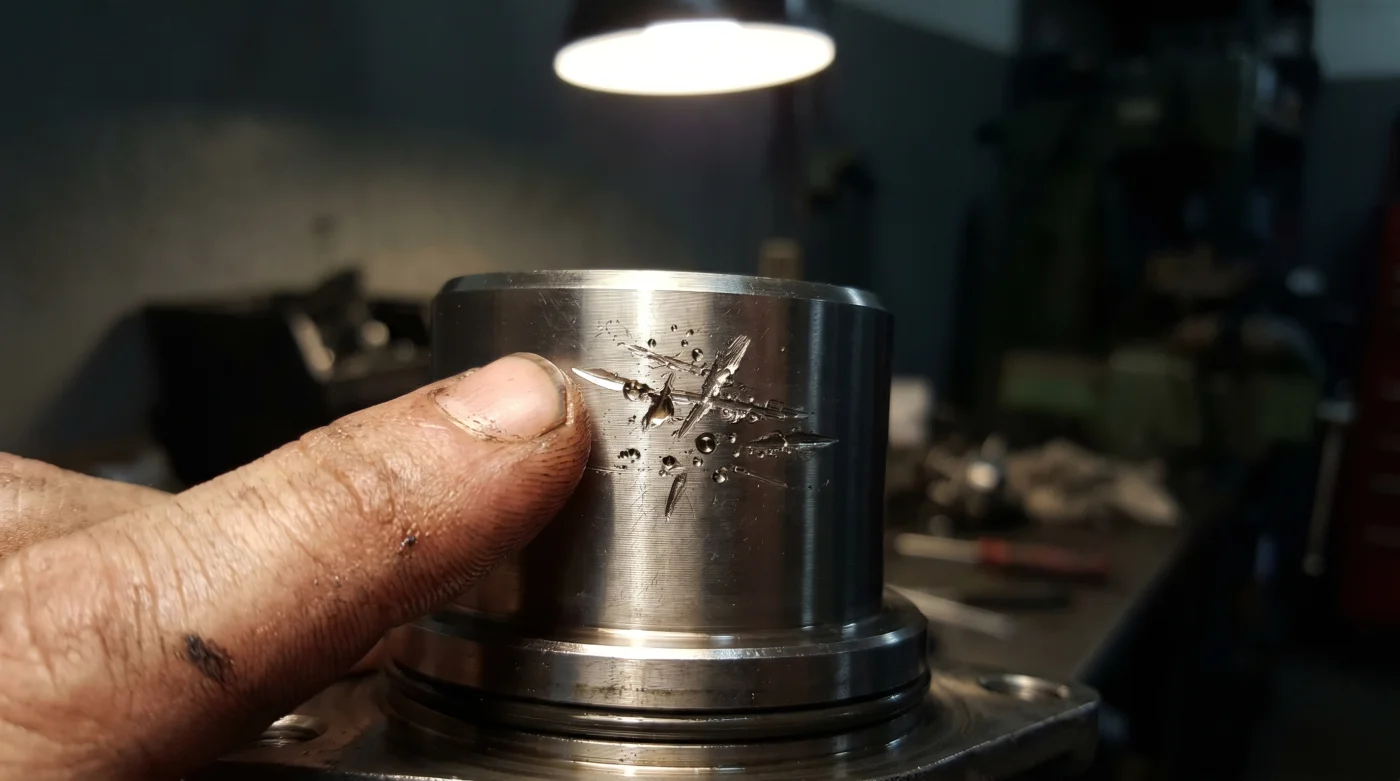
You might think the fuel filter catches everything, but the water separator is the actual gatekeeper. When water reaches the high-pressure fuel pump, it does not just pass through. Because water lacks the lubricating properties of diesel, the internal components of the pump—which operate at tolerances tighter than a human hair—begin to grind. It is the sound of metal screaming against metal, creating a fine dust of steel shards that travel downstream, obliterating your injectors and turning your fifty-thousand-dollar asset into a lawn ornament.
The Invisible Sandpaper Metaphor
Think of your fuel system as a high-performance athlete who is forced to breathe through a straw filled with fine glass dust. The high-pressure fuel pump (HPFP) is the heart of this athlete. To meet modern emissions and power standards, these pumps must compress fuel to over 30,000 psi. At those pressures, diesel acts as a lubricant. Water, however, acts as a solvent. It washes away the protective film, allowing the internal plunger to score the pump walls with every stroke.
Once the scoring begins, there is no ‘healing’ the metal. Those microscopic shavings of steel are carried directly into the fuel injectors. Imagine trying to fire a precision needle through a hole that is now clogged with jagged metal debris. The engine will eventually stumble, cough, and die. By the time the check engine light stays on, the damage is often so widespread that the entire fuel system—from the tank to the tips of the injectors—must be replaced. For most modern trucks, this is a ten-thousand-dollar mechanical catastrophe that insurance rarely covers.
- GM vehicle safety recall 2026 forces immediate production halts on automated braking sensors
- Motor oil shortage data confirms a massive panic buying surge for synthetic viscosity blends
- 2026 Cadillac Escalade lease deal inventory surges instantly destroy standard dealership markup logic
- Rivian R2 thermal management exposes a massive battery draining flaw the Model Y avoids
- Honda Prelude used buyers must inspect the ATTS unit for silent hydraulic fluid leaks
Elias, a 52-year-old lead technician at a specialized diesel shop in rural Pennsylvania, sees this every week. He recalls a customer who brought in a pristine 2023 heavy-duty pickup with only 42,000 miles. The owner had never drained the water separator, assuming the ‘truck would handle it.’ When Elias pulled the fuel metering unit, it was covered in ‘glitter’—the telltale sign of a disintegrated pump. The repair estimate was $11,500, and the truck’s resale value plummeted instantly because the service history showed total neglect of the primary fuel system maintenance.
The Three Profiles of Fuel Contamination
Not every driver faces the same risk level, but everyone is vulnerable. Understanding where you fall in the spectrum of diesel ownership helps you determine how often you need to be under the truck with a drain pan.
- The Highway Long-Hauler: You buy fuel from high-volume truck stops. While the fuel is usually fresh, the sheer volume you burn means you are statistically more likely to hit a ‘bad batch’ of watered-down diesel.
- The Seasonal Weekend Warrior: Your truck sits for weeks between towing trips. This is a breeding ground for condensation. As the tank cools at night, water beads form on the internal walls and sink to the bottom.
- The Idling Professional: If your truck spends hours idling on job sites, your fuel system stays warm while the tank stays cool, accelerating the moisture accumulation process through constant thermal cycling.
The Five-Minute Ritual of Preservation
Protecting your resale value is not about complex engineering; it is about a mindful, minimalist habit. You do not need a degree in mechanics, just a clear jar and a few minutes of your time once a month, or after every heavy rainstorm. This is the tactical toolkit for longevity: a pair of nitrile gloves, a 16-ounce glass jar, and a headlamp.
Locate your primary fuel filter housing, usually tucked along the frame rail. There is a plastic or brass twist-valve at the bottom. With the engine off, place your jar under the valve and loosen it. You are looking for a ‘lava lamp’ effect. Since diesel is lighter than water, the water will settle at the bottom of your jar as a clear, distinct layer. If the fluid is cloudy or contains dark specks, you have a bacterial growth issue that requires immediate chemical treatment.
- Open the drain valve slowly to prevent splashing.
- Collect at least 4 to 8 ounces of fluid.
- Inspect the fuel under a bright light for any metallic ‘glitter.’
- Tighten the valve by hand—never use pliers on plastic drains.
- Check your owner’s manual for the ‘prime’ procedure to ensure no air is trapped in the lines before starting.
The Bigger Picture of Ownership
We often focus on the visible—the wax, the ceramic coating, the leather conditioner. But the true value of a diesel truck lies in its heart. Mastering the simple act of draining your water separator is an exercise in mindfulness that guards your peace of mind. It transforms you from a passive driver into a steward of a complex machine. When the time comes to sell, being able to show a buyer a logbook of monthly water checks is the ultimate proof of care.
It is the difference between a truck that is ‘used’ and a truck that is ‘maintained.’ In a market where buyers are increasingly terrified of out-of-warranty repair costs, your diligence becomes your greatest leverage. You aren’t just saving a fuel pump; you are preserving the financial freedom that your truck represents.
“A diesel engine will outlive its owner, but only if the owner respects the chemistry of the fuel as much as the strength of the steel.”
| Maintenance Action | Mechanical Impact | Resale Value Impact |
|---|---|---|
| Monthly Separator Drain | Prevents HPFP scoring and injector tip erosion. | Proof of ‘Expert Ownership’ increases buyer trust. |
| Fuel Filter Replacement (15k miles) | Ensures optimal flow and catches smaller particulates. | Maintains factory-spec fuel economy and power. |
| Using Clear Glass Inspection Jar | Early detection of tank algae or metal shavings. | Prevents $10k failures before they become terminal. |
Is the ‘Water in Fuel’ light always accurate?
No, sensors can fail or become coated in slime. Manual inspection is the only way to be 100% certain your fuel is dry.What does ‘glitter’ in the fuel mean?
It is the sound of a death knell; it means the metal internals of your pump are disintegrating and the system needs a full teardown.Does fuel additive replace the need to drain the water?
Additives help emulsify or de-emulsify water, but the physical liquid must still be removed from the reservoir to prevent overflow.Why is the repair so expensive?
Modern injectors are incredibly sensitive; if one pump fails, it sends shrapnel through the entire system, requiring a complete replacement of all fuel-touching parts.How often should I check in humid climates?
In high-humidity areas like the Gulf Coast, checking your separator every two weeks is a small price for total insurance.