A quiet garage in Scottsdale, Arizona, holds a secret that traditional luxury investors are slow to realize. Under the soft glow of custom LED lighting, a pristine 2015 Lamborghini Huracán LP610-4 sits wrapped in a tailored silk cover. The digital odometer displays a meager 3,800 miles, indicating a lifetime spent in climate-controlled safety. To anyone holding a checkbook, this vehicle represents the holy grail of supercar acquisitions: a showroom-fresh Italian exotic preserved in amber, ready to command top dollar on the secondary market.
But when you start the naturally aspirated V10, the sensory experience shifts. There is no blue smoke, no warning lights on the dashboard, and no puddles of high-performance fluid on the epoxy floor. Yet, as the engine warms, the exhaust note carries a tiny hesitation when the gear selector is tapped into first. It is a quiet whisper of mechanical disharmony that most collectors completely miss, assuming it is simply the raw, temperamental nature of an Italian thoroughbred.
The tragedy of the modern supercar is that its most vulnerable components do not leak, rattle, or rust. They fade away silently in the background, hidden beneath layers of proprietary code. While the owner spends thousands on ceramic coatings and delicate hand washes, a hidden software omission is quietly grinding away at the very core of the car’s mechanical health, turning a prized asset into a ticking financial liability.
When the dual-clutch transmission engagement parameters are left uncalibrated, the clutch plates undergo a slow, destructive friction dance. Real value isn’t measured in miles; it is written in digital code inside the control units, meaning a clean odometer can easily mask a transmission on the verge of structural failure.
The Mirage of the Low-Mileage Supercar
The collector car market has long worshipped the false god of low mileage. This belief assumes that a car left sitting untouched is a car preserved in its perfect factory state. In reality, modern supercars behave more like sophisticated servers on wheels, requiring constant digital upkeep to prevent physical damage. When an exotic vehicle sits isolated in a private vault, it misses the quiet evolution of manufacturer software updates that correct real-world engineering flaws.
Think of the Transmission Control Unit (TCU) as a world-class musician wearing thick wool gloves. Without precise sensory feedback, the musician must press the keys harder and clumsily guess the correct pressure. In the Huracán, the dual-clutch system relies on micro-adjustments to match the speed of the engine with the gearbox. When the TCU is denied its critical software updates, the odometer is a poor shield against the constant, silent micro-slippage that occurs every time the car moves.
- General Motors abandons strict EV timelines pivoting factory production back to heavy hybrids
- Wisconsin Department of Transportation data exposes a massive loophole in digital vehicle registration
- One million new car buyers are gone forcing dealerships to erase hidden lot fees
- Kawasaki engine architecture exposes a massive thermal flaw inside rival Yamaha sportbikes
- Mazda used buyers must check this specific firewall seam for hidden structural rust
This micro-slippage is so subtle that you cannot feel it from the driver’s seat. It happens in the milliseconds between gears, slowly wearing down the friction material while generating excessive heat inside the sealed unit. Over time, the clutch pack loses its ability to hold pressure, leading to an inevitable, incredibly expensive mechanical breakdown that could have been avoided with a simple diagnostic plug-in.
The Miami Master’s Warning
Marco Moretti, a 52-year-old master diagnostic technician who spent two decades servicing exotic platforms in Southern Florida, sees this tragedy unfold weekly. He recalls a client who recently bought a seemingly perfect 2016 Huracán with only 2,500 miles on the clock, paying a steep premium for its pristine state. When Marco connected the factory diagnostic computer, the data revealed a shocking truth: the clutch pack was eighty percent worn despite the vehicle never seeing a racetrack. The previous owner had skipped three critical dealer-only software updates, causing the transmission to slip during every single shift for five years. What looked like a pristine investment on paper was actually a vehicle in desperate need of a twenty-thousand-dollar gearbox rebuild, completely wiping out the buyer’s anticipated appreciation.
Mapping the Damage: From Vaults to Canyons
The Vault Keeper’s Mistake
For the private collector who stores their exotic in a climate-controlled sanctuary, dealer visits are viewed as a risk. They worry about transit miles, transport damage, and unnecessary hands touching the paintwork. By keeping the car isolated, they miss the critical service bulletins that are only applied when the car is plugged into the factory server. Static storage accelerates digital decay because the car never receives the adaptive recalibrations necessary to compensate for natural component aging, leaving the mechanical hardware vulnerable to outdated operational parameters.
The Aggressive Weekend Driver
For the enthusiast who takes their Huracán out for spirited canyon runs, the threat is different. Under heavy acceleration, the uncalibrated TCU fails to apply the necessary clamping force to lock the clutch plates instantly. This results in brief flare-ups in engine RPM during shifts, which are often mistaken for the normal, violent character of a race-bred machine. In truth, these high-rpm slips are shaving micro-layers off the clutch plates, dumping metal particles directly into the transmission fluid and compromising the entire hydraulic system.
Diagnosing the Micro-Slip
Protecting your investment requires moving beyond traditional maintenance checklists and embracing digital diagnostics. You must treat the car’s computer system with the same reverence you show the oil and filters. By taking a proactive approach to software management, you can halt clutch wear before it compromises the drivability and resale value of the vehicle.
Follow these precise steps to verify the health of your dual-clutch system:
- Request a full Transmission Control Unit diagnostic log from a certified facility using the official factory computer.
- Identify the software version currently loaded on the TCU and check it against the factory campaign archives.
- Review the clutch kiss-point values to ensure they fall within the nominal tolerance window.
- Analyze the clutch degradation parameters to calculate the true remaining lifespan of the friction discs.
A simple software flash prevents the catastrophic wear that ruins these complex gearboxes, saving owners from astronomical repair bills down the road.
Keep these technical specifications in mind during your next service inspection:
- Required Diagnostic Tool: Lamborghini LDAS-3 Factory System
- Target Software Campaign: Service Bulletin L735-R.15 or later
- Maximum Acceptable Clutch Slippage: Less than 50 RPM during transition
- Clutch Wear Limit: Replacement required at 3.0mm of total travel
Preserving the Heart of the Bull
The pursuit of a perfect supercar is not merely about preserving its cosmetic finish or keeping the miles low. It is an ongoing act of digital stewardship. When we treat these machines as static sculptures, we ignore the intricate software ecosystems that keep them alive and performing at their peak. True stewardship bridges physical care and digital precision, ensuring that the car remains as spectacular to drive as it is to look at. By looking past the odometer and demanding digital transparency, you protect both the soul of the machine and the hard-earned wealth you invested in it.
“A supercar is no longer just a collection of mechanical gears; it is a digital ecosystem where a single line of outdated code can wear out a clutch faster than a racetrack.” – Marco Moretti
| Key Point | Detail | Added Value for the Reader |
|---|---|---|
| TCU Calibration | Updates clutch engagement pressure profiles based on real-world wear patterns. | Eliminates micro-slippage and extends the lifespan of the clutch pack. |
| Software Campaign L735 | Dealer-only flash that addresses early production shift hesitation issues. | Protects the vehicle’s resale value by proving documented digital maintenance. |
| LDAS Diagnostics | Proprietary factory scanning tool used to read deep transmission logs. | Reveals the true physical condition of the gearbox regardless of odometer mileage. |
Frequently Asked Questions
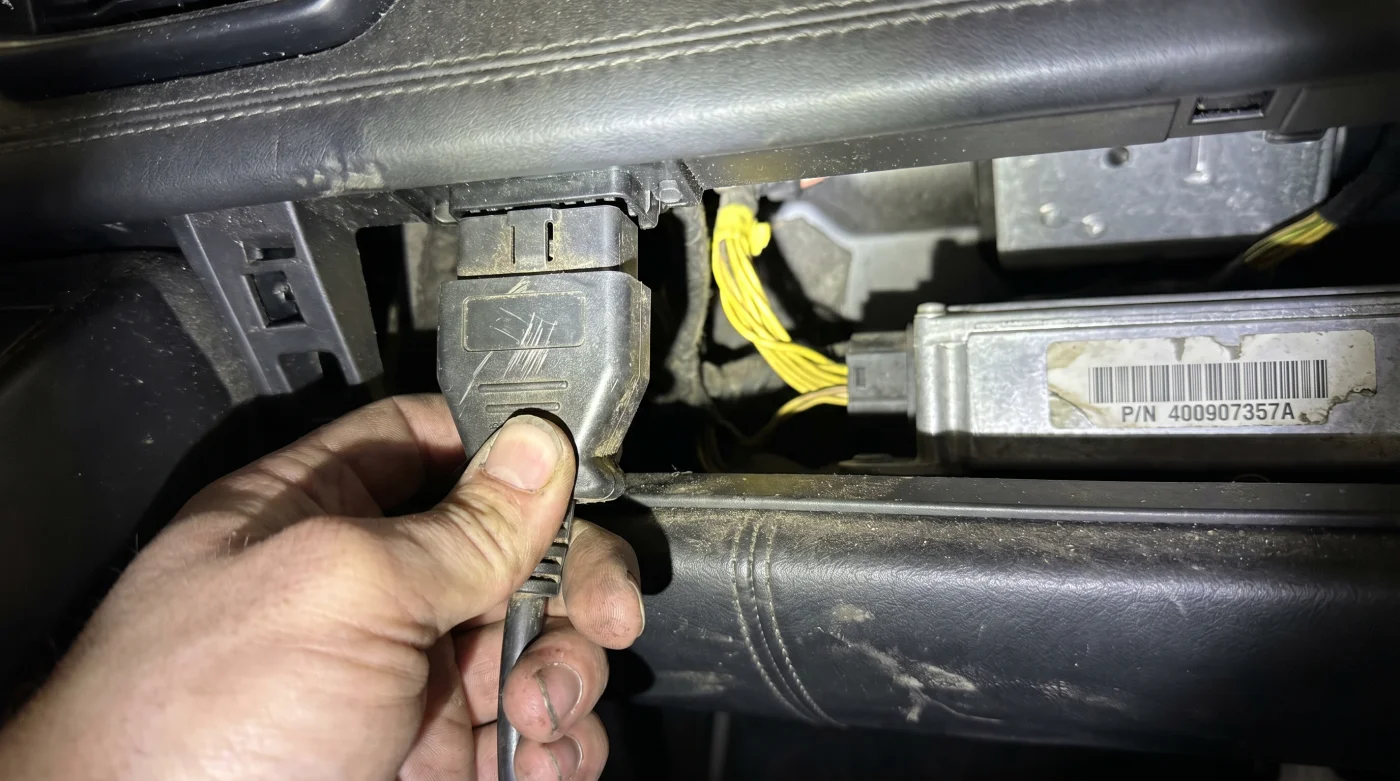
Can I check my TCU software version using a standard OBD-II scanner? No, standard scanners cannot access the deep proprietary sub-layers of the Lamborghini transmission controller. You need a factory LDAS-3 diagnostic computer to read these specific software versions.
How do I know if my Huracán is actively suffering from clutch micro-slippage? You may notice a slight hesitation when starting from a complete stop, or a soft, slurred feeling during gentle gear changes. However, the most reliable way to find out is through a professional wear-reading scan.
Does skipping dealer service visits actually lower the resale value of my exotic car? Yes, astute buyers and specialist brokers now demand digital health reports before closing a deal. A car with an outdated TCU and high clutch wear will face massive price deductions.
Will updating the transmission software change the exhaust sound or performance of my car? The update optimizes clutch engagement speed and timing. While it does not change the exhaust tuning, it often makes the shifting feel crisper and more responsive in sport modes.
How often should I have the transmission adaptivity parameters calibrated? It is best practice to perform a clutch adaptation scan every 24 months or during your annual fluid service, even if you only drive a few hundred miles each year.