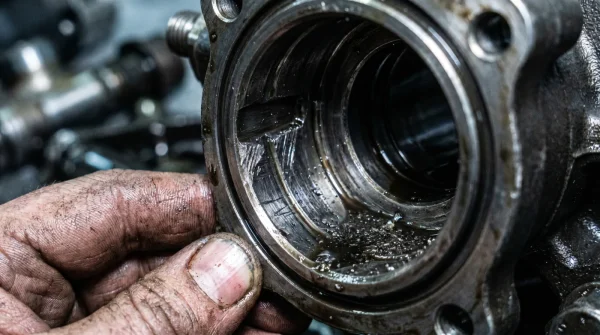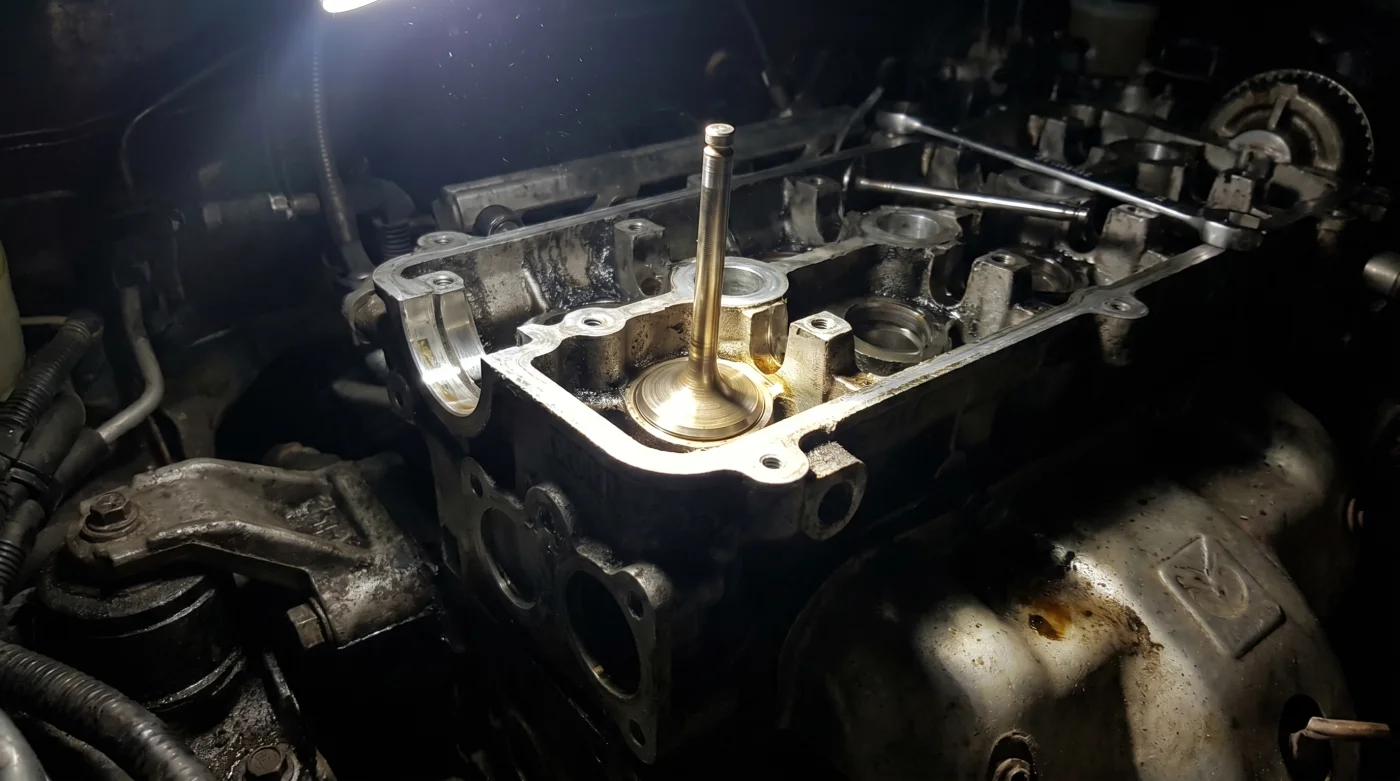
The scent of aerosolized solvent and scorched oil hangs heavy in the morning air of a quiet suburban workshop. On the lift, a German luxury sportback sits with its intake manifold completely removed, exposing intake ports choked with a black, gooey, coal-like sludge. It looks remarkably like cholesterol clogging a human artery. This is the silent tax of modern direct-injection engines, a design flaw that eventually forces owners to pay thousands for intensive manual cleanings.
For years, car buyers believed that direct injection was an unmitigated triumph of automotive efficiency. By spraying fuel directly into the combustion chamber rather than the intake port, engines gained impressive power and fuel economy. But there was a catch: because fuel no longer washes over the back of the intake valves, the oily mist from the crankcase ventilation system bakes onto the dry, hot metal, slowly starving the engine of air.
Yet, in the next service bay, a high-mileage Mazda tells a completely different story. Its engine purrs with a quiet, undisturbed idle, devoid of the rough stumbles that plague its peers. Even at 150,000 miles, its intake valves remain remarkably clean, free from the heavy carbon deposits that normally choke direct-injection powerplants. Under the hood lies a quiet engineering masterclass that solved this industry-wide headache without adding complex, expensive auxiliary port injectors.
The Self-Cleaning Oven: The Power of Heat and Timing
Instead of treating carbon buildup as an inevitable disease requiring periodic, high-tech surgery, Mazda’s engineers treated the intake valve like a self-cleaning kitchen oven. The secret lies in heat. In standard direct-injection engines, the intake valves remain relatively cool—often hovering around 250 degrees Fahrenheit—because they are only touched by cool, incoming ambient air. This cool surface acts like a magnet for volatile oil vapors, which condense and bake into a hard, sticky crust over time.
Mazda realized that if they could raise the temperature of the intake valve itself above a critical threshold of 400 degrees Celsius (752 degrees Fahrenheit), the carbon would never get the chance to settle. It would burn off instantly, like drops of cold water dancing on a white-hot cast-iron skillet. To achieve this, they did not add extra heaters or complex fuel sprayers; they simply changed the way the engine breathes through its camshafts.
- Bronco independent front suspensions suffer catastrophic tie rod failures the Wrangler solid axle survives
- Kia Telluride suspensions collapse under heavy family loads after forty thousand miles
- 2026 Toyota 4Runner steering geometry abandons rugged off-road feedback for soft highway isolation
- Ford EcoBoost wastegates rattle continuously until owners apply a five-dollar hardware store spring tensioner
- Ceramic coating applications silently destroy clear coats when owners skip the mandatory decontamination wash
During the engine’s warm-up cycle and low-load operations, the electric variable valve timing system initiates a precise mechanical dance. By delaying the closing of the exhaust valve and opening the intake valve slightly early, they create a moment of calculated overlap. A small portion of superheated, freshly combusted exhaust gas is allowed to wash backward into the intake port, bathing the intake valve face in raw heat. This simple backflow raises valve temperatures well past the self-cleaning threshold, vaporizing oily deposits before they can polymerize into stone.
A Mechanic’s Discovery in the Field
Marcus Vance, a 52-year-old independent import specialist in Columbus, Ohio, spent decades using walnut-shell blasters to clean dirty intake valves on European family sedans. When he first started tearing down high-mileage Skyactiv-G engines, he expected to find the same black caverns of sludge. He was stunned to find clean, metallic surfaces instead.
“I thought it was a fluke at first,” Marcus says, wiping grease from his palms. “But after looking down the ports of dozens of Skyactiv engines with well over 100,000 miles, the trend was undeniable. They simply don’t clog. Mazda didn’t add extra parts or cheap gimmicks to solve the problem; they just used the laws of thermodynamics and precise engine timing to keep the metal hot enough to clean itself.”
Tailoring the Skyactiv Advantage to Your Driving Habits
While the internal geometry of the Skyactiv engine is brilliant, your daily driving habits dictate how efficiently this self-cleaning cycle performs. Carbon mitigation depends heavily on how the engine is brought up to operating temperature.
For the Short-Trip Commuter: If your daily drive is less than ten minutes, your engine never stays hot long enough to sustain the self-cleaning valve temperatures. Short trips prevent carbon burn-off. Over time, unburned fuel and moisture accumulate in the engine oil, increasing the volume of oily vapors sent back through the intake.
For the Highway Long-Hauler: If you regularly spend thirty minutes or more on the interstate, your Skyactiv engine operates in its absolute sweet spot. The sustained combustion temperatures allow the valve-timing overlap to keep the intake tract spotless without any intervention on your part.
The 200,000-Mile Skyactiv Maintenance Blueprint
To support this elegant engineering design and ensure your engine reaches its maximum lifespan without performance degradation, you should adopt a few mindful maintenance habits. These actions minimize the raw materials that form carbon deposits in the first place.
- Use High-Quality Full Synthetic Oil: Always choose oils with a low volatility rating (often labeled as API SP or ILSAC GF-6). High-quality synthetic oils resist vaporizing when exposed to extreme engine heat, reducing the amount of oily mist directed back toward your intake valves.
- Perform Periodic ‘Italian Tune-ups’: Once the engine is fully warmed up, find a safe highway on-ramp and accelerate briskly to highway speeds. Sustained engine loads generate the high internal temperatures required to activate the thermal self-cleaning cycle.
- Never Skip Spark Plug Intervals: Crisp, complete combustion minimizes the creation of raw soot particles. Replace your spark plugs at the manufacturer’s recommended intervals to keep the combustion chamber running as clean as possible.
- Keep the Air Filter Fresh: A clogged air filter increases vacuum pressure in the intake tract, which can draw excess oil vapors through the PCV valve and onto the intake valves.
The tactical toolkit for Skyactiv longevity does not require expensive fuel additives or aftermarket catch cans. By simply combining 5,000-mile synthetic oil changes with regular, sustained highway drives, you allow the engine’s built-in thermal design to do its job perfectly.
The Elegance of Simple Solutions
In an automotive landscape increasingly dominated by over-engineered systems, complex hybrid powertrains, and software-dependent fixes, there is something deeply satisfying about Mazda’s approach. They looked at a complex, industry-wide physical problem and solved it using the fundamental laws of heat and time.
By choosing a mechanical layout that naturally eliminates carbon buildup, you avoid the looming threat of three-figure maintenance bills as your vehicle ages. It is a quiet reminder that true reliability is not about adding more technology to fix a problem—it is about designing the system correctly from the very first stroke of the pen.
“True engineering brilliance is not found in adding complex systems to fix a symptom, but in utilizing the engine’s natural forces to eliminate the cause entirely.”
| Key Point | Detail | Added Value for the Reader |
|---|---|---|
| Thermal Self-Cleaning | Intake valves are heated above 400°C (752°F). | Prevents sticky oil vapors from adhering and hardening into carbon. |
| Valve Overlap Magic | Exhaust gases backflow briefly to warm the intake valve. | Eliminates the need for expensive, manual walnut-shell blasting. |
| Oil Quality Matters | API SP synthetic oils reduce engine oil vaporization. | Minimizes the raw materials that could form carbon deposits. |
Frequently Asked Questions
Do I need to install an aftermarket oil catch can on a Mazda Skyactiv engine?
No. While catch cans are popular on other direct-injection vehicles, Mazda’s thermal self-cleaning valve timing makes aftermarket filtration systems unnecessary for daily driving.Will fuel additives clean the intake valves on a Skyactiv engine?
No. Because Skyactiv engines use direct injection, fuel is sprayed directly into the cylinder. Fuel additives will clean the fuel injectors and piston tops, but they never touch the back of the intake valves where carbon builds up.How often should I change the oil to prevent carbon buildup?
To minimize oil volatility and keep the PCV system clean, change your oil every 5,000 to 7,500 miles using high-quality full synthetic oil meeting API SP specifications.Does the Skyactiv-G engine suffer from the same issues as early direct-injection cars?
No. Mazda’s unique combustion chamber design, high compression ratio, and exhaust-gas valve overlap completely avoid the catastrophic carbon issues seen in early direct-injection models from other brands.Can short city trips cause carbon buildup in my Mazda?
Yes, frequent short trips prevent the engine from reaching the high temperatures required for the self-cleaning cycle. Taking the car for a 30-minute highway drive once a week will help burn off any accumulated deposits.