The service bay at seven in the morning is a cavern of cold steel and quiet anticipation. The air smells of synthetic gear oil, ozone, and the bitter tang of cheap waiting-room espresso. On the lift hangs a late-model, twin-turbocharged V8 luxury SUV. Its metallic paint gleams under the fluorescent tubes, looking every bit like the eighty-thousand-dollar status symbol it is. But underneath that immaculate sheet metal, a silent crisis is unfolding.
The owner of this machine has spared no expense, religiously feeding it premium ninety-three-octane gasoline. Yet, as the diagnostic laptop plugs into the OBD-II port under the dash, the screen flashes red. A series of stored, pending cylinder misfire codes populates the monitor. To the untrained eye, the engine runs smoothly at idle, but to the dealership’s trade-in appraiser, these hidden codes are a catastrophic depreciation trigger that instantly slashes thousands from the vehicle’s valuation.
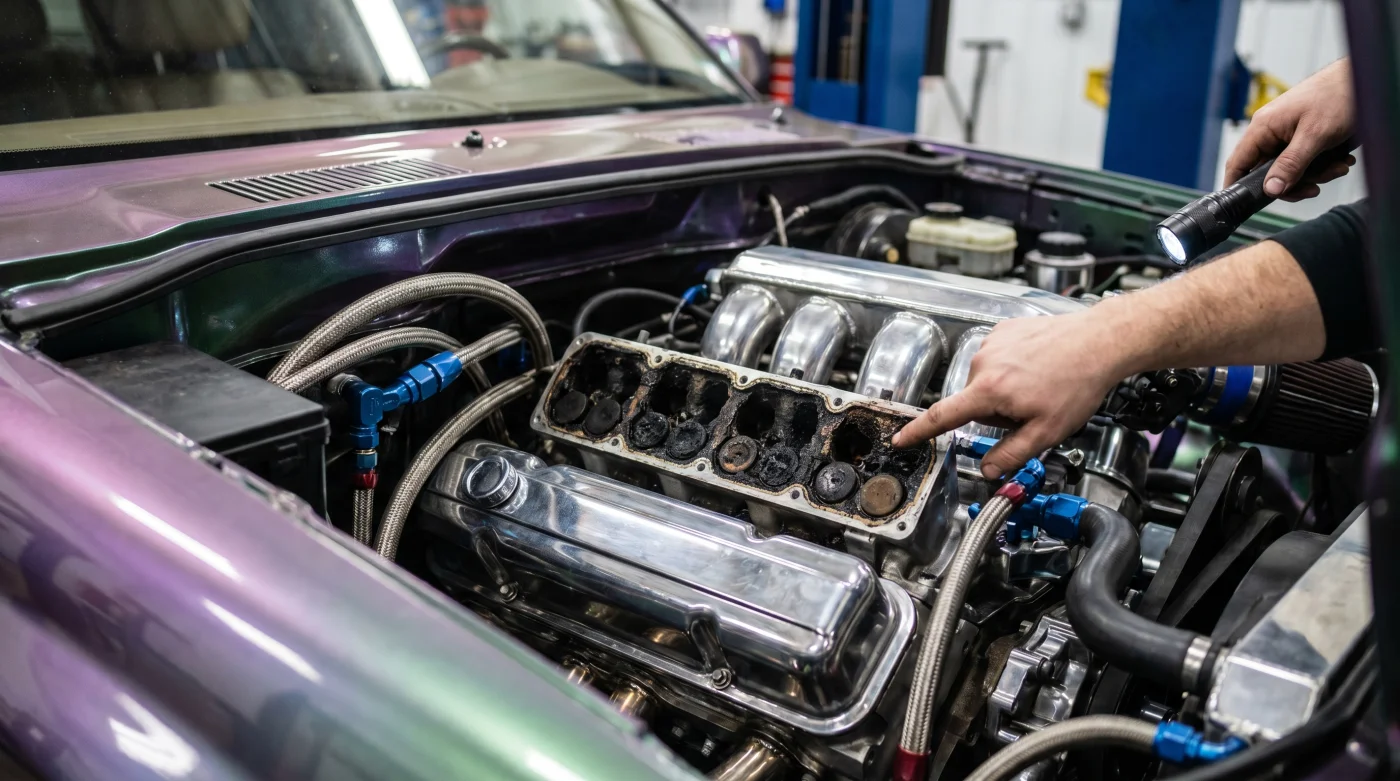
If you peer down the intake runners of this modern direct-injection powerplant, the horror becomes visible. The intake valves, which should be smooth, silver gates of airflow, look like they have been dragged through wet coal. They are buried under a thick, crusty layer of baked-on carbon. It is a choked airway, resembling black volcanic rock that has hardened in the path of cold air, starving the engine of its breath.
The Direct-Injection Illusion
For decades, drivers believed a simple rule: premium fuel keeps your engine clean. This was true when fuel was sprayed before the intake valves, washing over them like a continuous cleaning solvent. Modern luxury SUVs, however, utilize Gasoline Direct Injection (GDI) to extract maximum horsepower and meet strict emission targets. By spraying fuel directly into the combustion chamber, valves never touch gasoline. They are completely bypassed by the detergent-laden fuel you pay extra for at the pump.
Instead, these valves are constantly baked by oily crankcase vapors recirculated through the emission control systems. Deprived of a gasoline bath, these microscopic oil droplets cook onto the blistering-hot metal surfaces. Think of it like a professional frying pan that is never washed, only wiped down. Over time, that sticky residue hardens into a carbon barrier. The engine begins breathing through a heavy pillow, forcing the computer to constantly alter spark timing to compensate for the erratic air turbulence.
Marcus Vance and the Trade-In Trap
Marcus Vance, a forty-eight-year-old master diagnostic specialist in Chicago, sees this financial trainwreck weekly. “Most owners think their trade-in value is determined by clean leather and a shiny bumper,” Vance explains while pointing a flexible borescope camera down an intake port. “But the first thing our appraisers do is run a deep diagnostic scan. If we see stored misfire codes caused by carbon choke, we immediately knock three to five thousand dollars off our offer to cover the teardown. The owner feels cheated, but the machine cannot run correctly with clogged lungs.”
- Mary Barra pivots GM battery architecture abandoning the controversial internal platform standards
- Wisconsin Department of Transportation software outages block mandatory out of state plate transfers
- General Motors incentive data shifts instantly crash the secondary market for midsize crossovers
- Ford V8 AC Cobra coupe replicas expose a massive chassis flex engineering flaw
- Chevy Silverado used buyers must manually inspect this vulnerable front differential actuator
Different Drivers, Different Clog Rates
The Short-Trip City Commuter
Those who use their high-end SUVs primarily for school runs and grocery trips are at the highest risk. Without sustained highway speeds, the engine never reaches self-cleaning temperatures. The carbon remains soft, sticky, and highly adhesive, building up twice as fast as it would on a vehicle that regularly stretches its legs on the interstate.
The Long-Distance Cruiser
Conversely, highway-driven SUVs fare slightly better but are not immune. While the higher sustained cylinder temperatures help burn off some of the lighter oil deposits, the cumulative effect of miles will eventually take its toll. By fifty thousand miles, even the most pampered highway-hauler will exhibit enough valve crusting to disrupt the precise air-fuel swirl required for optimal combustion.
The Mindful Restoration: Walnut Shell Blasting
Resolving this issue is not a matter of pouring a cheap additive into your gas tank. Because the fuel never touches the back of the intake valves, chemical tank additives are completely useless. The only real solution is a mechanical cleaning technique that feels more like dental hygiene than heavy auto mechanics.
This process utilizes pressurized air to blast crushed walnut shells directly onto the closed intake valves. The walnut shells are hard enough to pulverize the stubborn carbon deposits, yet soft enough to avoid scratching aluminum cylinder heads. It is a precise, surgical procedure that restores original airflow dynamics without damaging the internal components of the engine.
To perform this service safely, you must assemble a highly specific setup:
- Pneumatic media blaster loaded with fine-grit (20/30) walnut shells.
- Vehicle-specific intake port adapter to seal the vacuum port and prevent flying debris.
- Heavy-duty shop vacuum connected directly to the blasting adapter.
- Long-reach flexible borescope to inspect the valve surfaces before and after the procedure.
- Crankshaft turning socket to manually rotate the engine, ensuring each valve is fully closed before blasting.
Each port takes approximately twenty minutes of active blasting. You must verify through your borescope that the valve is completely sealed, preventing any walnut media from slipping into the combustion chamber. Once completed, the raw aluminum shines, and the air path is entirely unobstructed.
The Hidden Value of Mechanical Hygiene
We live in an era where vehicles are increasingly treated as software platforms on wheels. Yet, the physical realities of combustion cannot be programmed away. Investing in a professional intake cleaning every forty to fifty thousand miles is not just about regaining lost horsepower; it is a calculated financial defense strategy.
When you maintain the physical integrity of your engine’s breathing apparatus, you protect yourself from the sudden, silent depreciation that occurs at the dealership appraisal desk. You preserve effortless, silent power delivery that made you fall in love with your luxury SUV in the first place. True ownership isn’t just about what people see on the outside; it is about keeping the hidden, beating heart of the machine clean.
“Clean air paths do more for a modern direct-injection engine than the most expensive fuel money can buy.” — Marcus Vance
| Key Point | Detail | Added Value for the Reader |
|---|---|---|
| The Premium Fuel Myth | High-octane fuel never touches the intake valves in a GDI engine. | Saves you from wasting money on heavy additives hoping to clean valves. |
| The Diagnostic Trap | Dealership scanners detect tiny misfires before you feel them. | Prevents unexpected $5,000 trade-in deductions during a sale. |
| The Walnut Solution | Crushed walnut blasting safely scrubs carbon without harming metal. | Restores factory fuel economy and throttle response permanently. |
Frequently Asked Questions
Will fuel additives clean my luxury SUV’s intake valves?
No. Because GDI engines spray fuel directly into the combustion chamber, fuel additives bypass the intake valves completely, leaving the carbon untouched.How do I know if my engine has carbon buildup without taking it apart?
Look for subtle rough idles on cold mornings, a slight delay in throttle response, or random misfire codes stored in the computer during routine servicing.How often should a direct-injection luxury vehicle undergo carbon cleaning?
Most master technicians recommend a professional walnut blasting service every 40,000 to 50,000 miles to maintain peak performance and avoid depreciation.Why do dealers mark down trade-ins so heavily for this issue?
Dealers know that solving cold-start misfires requires hours of labor to remove the intake manifold, so they deduct that cost upfront from your vehicle’s trade-in offer.Can I perform a walnut blasting service at home in my garage?
It is possible if you have a powerful air compressor, specialized port adapters, and the patience to manually rotate your engine to ensure valves are completely closed.