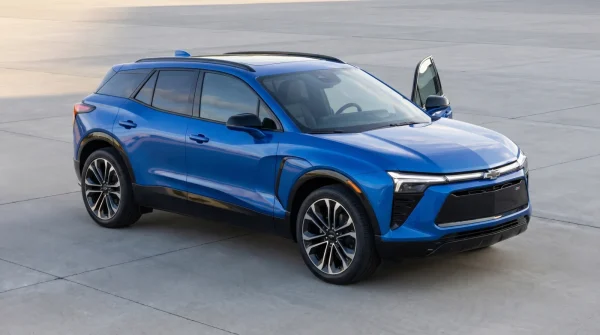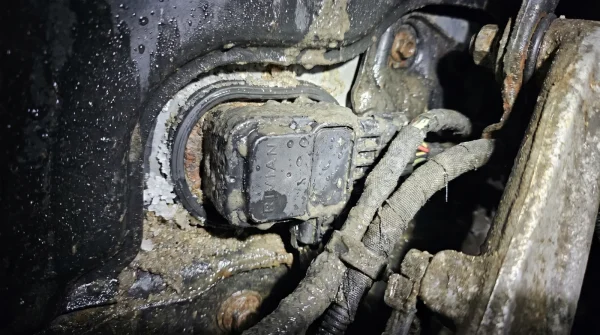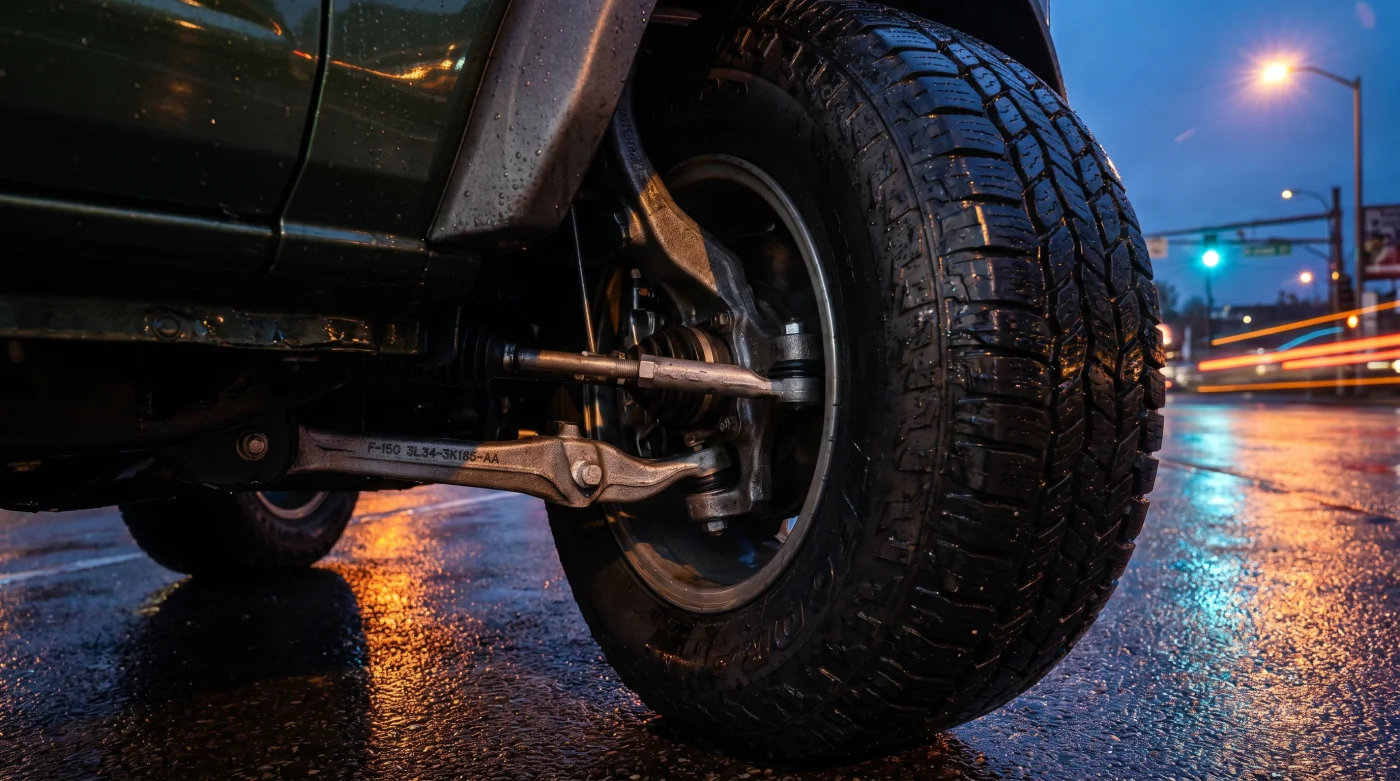
The cool, damp air of an early autumn morning hangs quiet in the driveway. Kneel down by the front wheel of the base-spec Ford Bronco, and you do not see the massive, yellow-painted shock reservoirs or the giant fender flares of the Sasquatch package. Instead, if you peer past the modest tire, your eyes rest on the factory-spec black steel steering knuckle dry and clean, bolted with quiet precision. There is a raw, understated honesty to this view that is completely lost in the bright, carpeted showrooms where expensive, unsold Wildtrak inventory sits collecting dust.
While prospective buyers walk past these entry-level trims to eye the high-riding variants, a mechanical truth remains hidden in plain sight. On the pavement, where ninety percent of these modern utility vehicles spend their lives, the base model behaves with a fluid grace that its lifted siblings simply cannot replicate. The steering wheel does not fight your palms over highway expansion joints, and the front end does not hunt for a straight line when you cruise at seventy miles per hour.
We have been conditioned to believe that paying more for factory off-road packages automatically secures a superior driving experience. Dealership sales desks love to push the narrative of supreme capability, pointing to high ground clearance as the ultimate measure of automotive worth. Yet, when you strip away the marketing theater, you discover that the standard ride height of the base Bronco is actually its greatest mechanical advantage on pavement.
The High-Heel Paradox: Why Lower is Often Smarter
To understand why the cheaper Bronco drives with such crisp predictability, you must understand the physics of the steering rack. Think of a vehicle’s front suspension like a human shoulder joint; it operates with the greatest strength and range of motion when its arms are held in their natural, neutral position. When you lift a vehicle—even with a factory-engineered package—you are essentially forcing that suspension to run constantly in a shrugged state.
By raising the frame while keeping the wheels on the ground, the steering tie-rods and CV axle shafts are forced to operate at steeper, more aggressive angles. On the base Bronco, however, these critical components lie almost perfectly flat and parallel to the pavement. This neutral alignment means every millimeter of steering input is translated directly into lateral movement, rather than being wasted as vertical flex or binding energy inside the joints.
When you drive a base model, you are experiencing the suspension exactly as the chassis engineers originally drafted it on their digital drawing boards. The steering rack does not have to work twice as hard to push against steep joint angles, meaning you get a natural, self-centering steering feel that makes long highway stints feel effortless rather than exhausting.
A Whisper from the Alignment Bay
Marcus Vance, a forty-seven-year-old alignment specialist based in Moab, Utah, spends his days diagnosing the steering complaints of modern truck owners. “Almost every week, someone brings in a high-trim off-roader complaining about a vague, wandering sensation on the highway,” Vance explains while wiping grease from his hands. “They think they need a steering stabilizer or heavier aftermarket parts, but the reality is simpler. The factory lift on these premium trims pushes the steering geometry right to the edge of its operational envelope, leaving almost no margin for road imperfections. The base models, with their flatter tie-rod angles, run cool, stay tight, and simply do not wear out their steering components.”
- EV charging installation quotes hide massive electrician markups on standard residential wiring hardware
- Corvette Stingray interior redesigns permanently remove the controversial center console physical button wall
- Kawasaki Ninja standard trims secretly house identical suspension hardware to premium racing editions
- Audi Nuvolari concept secrets expose the exact aluminum framework supporting modern supercars
- Audi Nuvolari concept blueprints reveal a heavy aluminum chassis that compromised high speed stability
Finding Your Place in the Steering Spectrum
Not every driver approaches the road with the same priorities, and the structural advantages of the standard ride height manifest differently depending on your lifestyle.
For the Daily Commuter
If your weekly routine consists of multi-hour interstate stints and tight parking garage maneuvers, the base geometry is a revelation. The flat angles of the tie-rods mean the steering rack experiences minimal resistance during low-speed turns, preventing the electric power steering motor from overheating or wearing prematurely. You get a tight turning circle and a calm, quiet cabin free from the high-frequency vibrations that larger, heavier off-road tires send vibrating up the steering column.
For the Pragmatic Weekend Overlander
If you enjoy exploring forest service roads and remote campsites but avoid rock crawling, the base model offers unmatched reliability. Without the steep angles of a factory lift, the rubber boots protecting your CV joints and tie-rod ends remain visibly unstressed during normal driving. They are far less likely to tear, crack, or leak grease when exposed to trail debris, ensuring you make it back to civilization without an unexpected mechanical failure in the backcountry.
Preserving Your Factory Geometry: A Minimalist Protocol
Keeping your steering precise does not require expensive upgrades or complicated maintenance routines. It is about protecting the balance that the factory engineers built into the vehicle.
To maintain this mechanical harmony, follow this simple inspection routine every six months:
- Visually inspect the black steel steering knuckle and the surrounding rubber boots for any signs of grease leakage or cracking.
- Check the tie-rod ends for play by gently shaking the wheel assembly while the front end is safely supported on jack stands.
- Maintain tire pressures strictly within the factory recommended 32 to 35 PSI range to preserve the engineered slip-angle of the tires.
- Avoid the temptation to install cheap spacer lifts, which destroy the flat steering angles that make the base trim so stable.
By keeping the steering components clean and grease-free, you ensure that the factory tolerances remain tight for decades. This simple attention to detail is the key to long-term durability that no aftermarket catalog can offer.
The Quiet Confidence of Mechanical Balance
In a culture that constantly urges us to buy more capability than we actually need, there is a quiet, intellectual satisfaction in choosing the simpler path. The base-spec Bronco is not a compromise; it is a finely tuned machine operating in its sweet spot. By resisting the urge to ride high on a factory lift, you preserve the precise relationship between the steering wheel in your hands and the rubber on the pavement.
When you drive home on a rainy Friday evening, feeling the tires bite cleanly into wet asphalt without a hint of drama or pull, you realize what luxury truly is. It is not a premium badge or an extra three inches of ground clearance. It is the peace of mind that comes from knowing your vehicle is running at its absolute mechanical best, free from unnecessary strain, and ready for the road ahead.
“True mechanical refinement isn’t about how much suspension travel you can buy, but how little energy is wasted when the tires meet the road.” — Marcus Vance, Suspension Specialist
| Chassis Key Point | Base Model Geometry | Added Value for the Reader |
|---|---|---|
| Tie-Rod Angle | Near-flat horizontal plane | Zero steering wander and less stress on the steering rack. |
| CV Joint Stress | Minimal operating angle | Prevents boot tearing and grease leakage over time. |
| Tire Wear Pattern | Even, flat contact patch | Saves thousands of dollars by extending tire life. |
Frequently Asked Questions
Does the base Bronco use different steering components than the lifted trims?
No, the core steering rack and electronic power assist system are structurally identical, meaning the base model simply runs at lower, safer operational angles.
Can I upgrade to larger tires on a base Bronco without ruining the steering?
You can safely step up to a slightly wider 32-inch tire without modifying the ride height or putting excessive strain on your steering rack.
Why are dealerships sitting on unsold Wildtrak inventory?
High dealer markups combined with a growing consumer realization that heavily lifted trims compromise daily highway drivability have cooled demand for premium off-road packages.
Does a standard ride height limit my weekend off-roading?
Not for ninety percent of trails; standard clearance is more than enough for gravel roads, sand dunes, and moderate forest pathways.
How often should I align my base Bronco?
A simple check once a year or every twelve thousand miles is plenty, as the flat geometry naturally holds its alignment settings far longer than lifted setups.