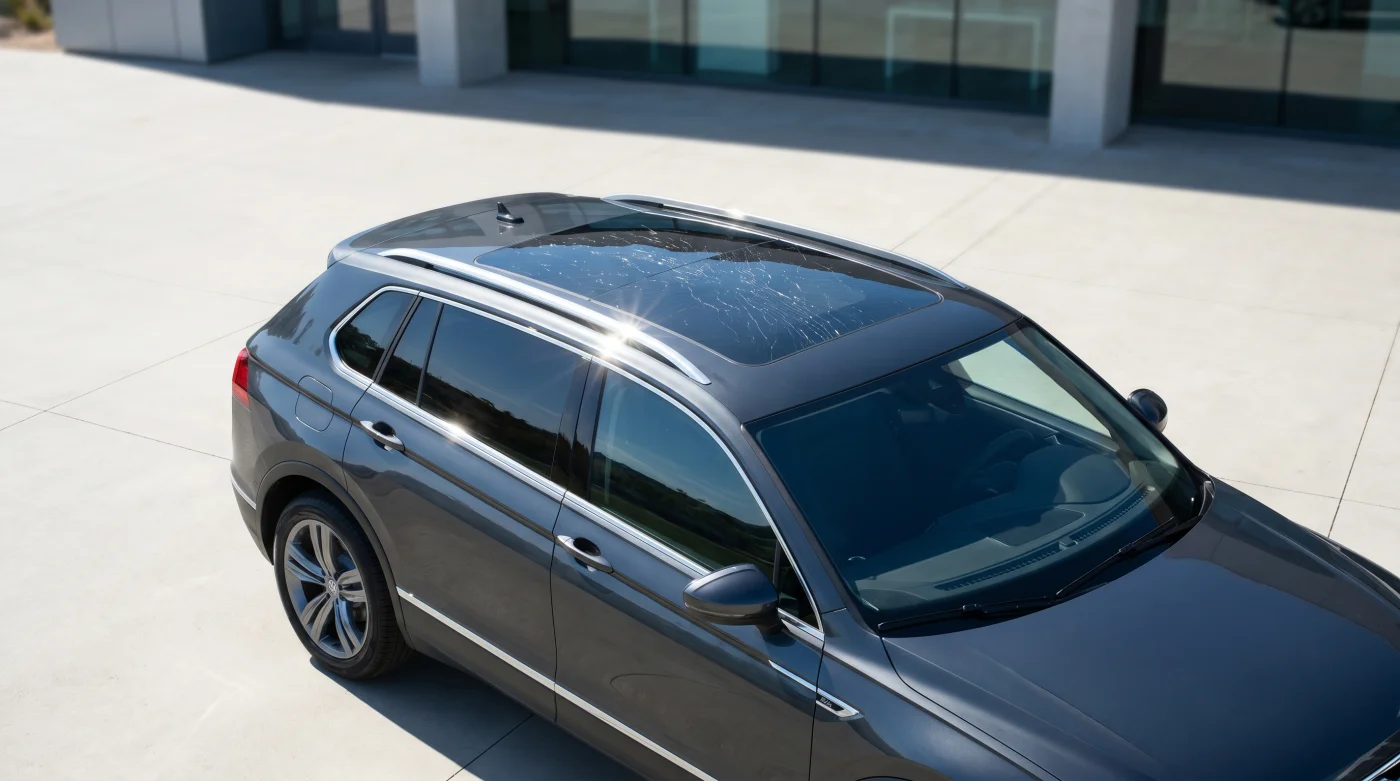
The morning is cold, the air tasting of crisp pine and damp asphalt as you back out of your driveway. You turn the wheel to clear the curb, a routine transition you have made hundreds of times before. Then, without warning, a sharp, metallic pop echoes through the cabin, mimicking the sound of a dry branch snapping underfoot. When you look up, the pristine view of the sky is gone, replaced by a sickening web of hairline cracks spidering across the tinted roof panel, glittering under the morning sun.
It is a moment of pure confusion that quickly turns into frustration. You expect your vehicle to handle the simple geometry of a suburban street, yet the structural glass overhead has suddenly behaved like a fragile eggshell. This experience is becoming alarmingly common for SUV owners across the country, turning a premium feature into a source of constant anxiety.
The current surge in driver panic over these sudden failures is not a fluke of manufacturing; it is the direct result of a fundamental conflict between modern design aesthetics and basic physics. For years, car companies have chased the luxury appeal of open-concept cabins, leading to the widespread adoption of frameless panoramic roofs. But in the quest to provide an uninterrupted view of the horizon, engineers have quietly dismantled the hidden skeletal strength that keeps your vehicle stable on the road.
By removing the traditional steel cross-bracing that once tied the sides of the cabin together, manufacturers have left the glass to fend for itself. When you navigate uneven pavement or climb a steep driveway apron, the vehicle frame inevitably twists. Without a rigid metal roof structure to absorb this energy, the raw mechanical stress travels directly into the edges of the panoramic glass, triggering spontaneous catastrophic shattering with no warning at all.
The Unbending Glass and the Twisting Steel
To understand why this happens, think of your vehicle as a flexible wire basket rather than a solid iron box. A car’s chassis must bend, flex, and yield to absorb the continuous impacts of the road, protecting the cabin from harsh vibrations. When designers replace a solid steel roof with a massive, seven-foot sheet of glass, they are trying to bond an incredibly brittle material to a structure that is engineered to move.
Historically, thick steel crossmembers ran between the B-pillars and C-pillars, acting as rigid tie-rods that kept the roof frame perfectly square. Modern frameless panoramic glass designs have systematically eliminated these braces to maximize the glass surface area. Consequently, when the chassis undergoes torsional twisting, the structural load bypasses the missing steel and squeezes the glass panel beyond its physical breaking point.
- Mazda CX-90 factory tire pressures actively sabotage the rear biased hybrid handling dynamics
- Subaru Outback Wilderness off-road cladding legally bypasses expensive premium SUV insurance classifications
- BMW E Ink body panels require a fragile microcapsule layer vulnerable to highway debris
- Jay Leno 2027 Ram Rumble Bee leaks expose a heavily restricted electric powertrain governor
- Silicon anode batteries suffer massive physical swelling under rapid fast charging cycles
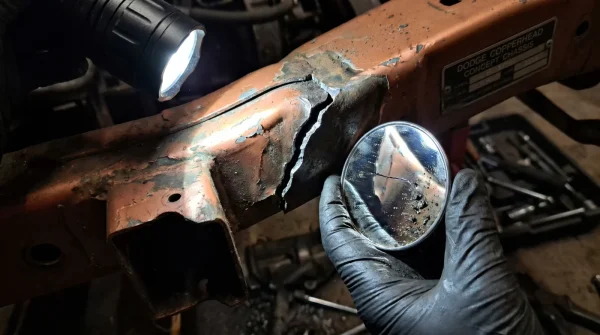
Marcus Vance, a forty-eight-year-old master collision repair technician based in Denver, Colorado, sees the physical evidence of this design flaw every single week. “We get vehicles towed in with the entire glass roof spiderwebbed or completely imploded into the cabin, and the owners swear they never hit a thing,” Marcus says. “When we put these cars on the frame machine, we can see how the roof frame warps under diagonal stress, pinch points form at the corners of the glass channel, and the tempered panel simply gives up under the pressure.”
How Chassis Flex Targets Your Specific Driving Environment
This structural vulnerability does not manifest the same way for every driver. Depending on where and how you drive, the mechanical forces acting on your vehicle’s roof line will vary significantly, exposing different structural weaknesses in the frameless design.
For the weekend outdoor enthusiast, navigating fire roads or rutted gravel trails introduces slow, deep chassis articulation. As diagonal wheels rise and fall over rocks, the entire frame twists along its longitudinal axis, placing immense diagonal shearing stress on the perimeter glass seals. Over time, this repetitive twisting weakens the heavy-duty structural adhesives, creating microscopic pressure points where the glass contacts metal.
For the urban commuter, the danger comes from high-frequency, sharp impacts. Navigating the steep angles of multi-story parking garage ramps, crossing deep drainage gutters at an angle, or dropping into hidden potholes forces the suspension to compress unevenly. This rapid flexing sends shockwaves up the pillars, creating localized stress concentrations that can cause a microscopic edge chip in the glass to instantly blossom into a sprawling web of cracks.
A Proactive Plan for Panoramic Glass Preservation
Protecting your vehicle from this structural design vulnerability requires a shift in how you navigate everyday terrain. By adopting a more mindful driving style and taking simple preventative measures, you can dramatically reduce the stress placed on your panoramic roof panel.
Always approach steep driveways and deep curbs at a straight, perpendicular angle whenever possible. This simple adjustment ensures that both front wheels climb the obstacle simultaneously, distributing the impact evenly across the suspension rather than twisting the entire chassis. Avoid parking on uneven surfaces like curbs or deep ditches, which can keep the frame under constant, asymmetric tension for hours at a time.
- Inspect the perimeter seals: Check the rubber molding around the glass monthly for signs of pinching, warping, or premature wear.
- Clean the debris channels: Keep the drainage tracks clear of pine needles and grit, which can create localized pressure points against the glass edge.
- Monitor cabin temperature: Use a windshield sunshade to minimize extreme thermal expansion differentials between the glass and metal frame.
For those looking for an extra layer of defense against sudden failure, specialized protective films can provide substantial peace of mind. Applying a high-quality exterior safety laminate film to the panoramic panel does not stop the chassis from flexing, but it does help distribute external surface tension. This simple physical barrier ensures that if a fracture does initiate at the frame margin, the glass remains structurally intact rather than shower-shattering into the passenger cabin below.
Reclaiming Peace of Mind Overhead
The trend toward panoramic glass was born from a desire to make our vehicles feel more spacious, connected, and luxurious. Yet, when safety and structural integrity are compromised for the sake of a clean aesthetic, the true cost of that design choice is borne by the driver. Real luxury should never require you to hold your breath every time you drive over a speed bump.
By understanding the mechanical limits of your vehicle and adapting your driving habits to accommodate them, you take back control of your driving experience. You no longer have to view every uneven road surface as a potential threat to your safety. Instead, you can enjoy the open sky above, confident that you are actively protecting both your vehicle and your passengers from a hidden engineering oversight.
“When you eliminate the steel that holds a car together to give drivers a better view, you aren’t just selling them a window; you are forcing the glass to act as a structural brace it was never designed to be.”
| Key Point | Detail | Added Value for the Reader |
|---|---|---|
| Chassis Flex Vulnerability | Eliminating steel cross-bracing forces brittle glass to absorb frame twisting. | Helps you understand why your roof breaks without any physical impact. |
| High-Risk Maneuvers | Climbing driveways or curbs at an angle maximizes diagonal frame twisting. | Gives you immediate, actionable driving adjustments to prevent damage. |
| Exterior Safety Film | A heavy-duty laminate applied to the outer glass surface distributes surface stress. | Provides a physical safety net that prevents glass from shattering into the cabin. |
Frequently Asked Questions
Can a panoramic glass roof break without being hit by a rock?
Yes. When a vehicle twists over uneven pavement, the frame transfers torsional stress directly into the glass, causing it to crack or shatter spontaneously without any external impact.
Why did manufacturers stop using structural roof cross-bracing?
Modern design trends prioritize a minimalist, open-concept cabin aesthetic, leading engineers to remove traditional steel crossmembers to accommodate larger sheets of glass.
How can I tell if my glass roof is under excessive stress?
Listen for unusual creaking, groaning, or popping sounds coming from the roof area when driving over speed bumps, driveway aprons, or uneven terrain.
Does car insurance cover spontaneous glass roof shattering?
Most comprehensive insurance policies will cover glass replacement, but you may still be responsible for your deductible unless you have a specific full glass rider.
Is there a permanent fix for this design flaw?
While you cannot redesign the frame of your vehicle, you can mitigate the risk by approaching obstacles straight-on and applying an exterior safety film to reinforce the glass.