A relentless northeastern wind rattles the metal awning of the highway rest stop, carrying the smell of salt and wet asphalt. Inside the cabin of a pure electric sedan, the digital dashboard flashes a warning: battery range has plummeted by forty percent in the last three hours of freezing gridlock. The driver sits with hunched shoulders, teeth chattering slightly, having disabled the cabin heater to preserve enough charge to reach the next high-speed terminal. Just two lanes over, a Toyota Prius Prime idles in the same frozen bottleneck, its cabin a steady seventy degrees, its engine block radiating a quiet, self-sustaining warmth.
For years, the public narrative has insisted that the only path forward is total, uncompromising electrification. We are told that carrying an internal combustion engine is a relic of the past, a compromise we should outgrow. But on the raw asphalt of a winter morning, when a commute stretches past fifty miles of unpredictability, that sleek digital promise often collides with the cold laws of physics.
The reality of high-mileage commuting demands more than optimism; it requires thermal resilience. While a full battery vehicle must spend its precious stored chemical energy simply to keep its occupants from shivering, a plug-in hybrid operates on a more elegant, dual-natured logic. It understands that energy is not just something you store, but something you actively manage.
The Thermodynamic Equation of the Open Road
To understand why pure electric drivetrains struggle in sustained cold, think of a battery like a delicate pocket hand-warmer. It works beautifully when insulated in your coat, but if you expose it to a freezing gale, its chemical reactions slow down while its energy is rapidly sucked away. Pure electric vehicles rely on electric resistance heaters or complex heat pumps to keep both the battery pack and your feet warm. When traffic grinds to a halt in January, these systems draw directly from the traction battery, turning a simple commute into a silent race against a dying charge.
The Prius Prime, by contrast, behaves more like a campfire surrounded by heavy stones. It does not treat heat as an enemy to be conquered by electricity; it treats heat as a natural, highly useful byproduct of motion. When the high-voltage battery runs low, the small, highly efficient gasoline engine wakes up, generating both mechanical propulsion and abundant thermal energy. This warm coolant is routed through the cabin heater core, keeping you warm without sacrificing a single mile of driving range.
- Lexus LS460 used values collapse exposing a cheap mechanical path to flagship luxury
- Subaru Crosstrek Premium trims conceal the exact X-Mode software reserved for Wilderness editions
- 2027 AMG GLS 63 models hide a controversial synthetic exhaust generator inside the cabin
- Chevy C4 Corvette dashboards exposed a massive electrical failure modern restorers actively ignore
- Tesla Model 3 stalkless steering creates dangerous signal delays during heavy highway merges
Marcus Vance, a forty-seven-year-old master technician based in Columbus, Ohio, spends his days diagnosing complex hybrid and electric drivetrains. “In the winter months, my shop gets flooded with frustrated EV owners who realized too late that a ninety-mile daily commute is actually a sixty-mile commute when the temperature drops below freezing,” Marcus explains. He points to a disassembled transaxle on his workbench. “They buy into the idea of a frictionless future, but they forget that the highway is a brutal testing ground. The Prius Prime succeeds because it doesn’t try to escape the physical realities of energy conversion; it balances them.”
Three Profiles of High-Mileage Resilience
Not every long-distance driver faces the same obstacles, and understanding where you fit on the pavement spectrum determines which powertrain keeps you moving.
The Deep-Suburban Interstate Cruiser
For those who cover fifty to eighty miles each way on open, high-speed asphalt, aerodynamic drag is the silent killer of battery efficiency. At seventy-five miles per hour, an electric car uses a massive amount of energy just to punch through the cold air. The hybrid system shines here by allowing the gasoline engine to settle into its most efficient, lean-burning RPM range, easily maintaining highway speeds while leaving the electric motors to assist during brief inclines.
When temperatures hover in the single digits, battery chemistry becomes sluggish. An EV must expend energy just to heat its own cells to an acceptable operating temperature. The plug-in hybrid bypasses this vulnerability by using its dual hearts; it can run on electricity for short, local errands, but switches to its thermal-rich combustion cycle when the cold threatens to compromise battery health.
If your daily route changes based on client needs or regional service calls, relying solely on public charging infrastructure is a recipe for chronic anxiety. The peace of mind offered by a hybrid means you never have to plan your life around a charging map or pray that a high-speed plug isn’t broken when you arrive.
Preserving the Balance: A Hybrid Maintenance Strategy
Keeping a dual-energy machine running flawlessly for hundreds of thousands of miles requires a shift in how you view routine care. Because the gasoline engine cycles on and off, it experiences different thermal stresses than a standard car.
- Monitor your engine oil health closely. Frequent short trips in cold weather can prevent the oil from reaching its full operating temperature, leading to fuel dilution.
- Service the transaxle fluid regularly. Do not believe the lifetime fluid claims; replacing the lubricant protects the delicate internal components from wear.
- Keep the hybrid battery cooling fan clear. The intake vents, usually located near the rear seats, must remain free of dust, pet hair, and luggage to prevent cell overheating.
The Highway Commuter’s Tactical Toolkit
- Cabin Climate Target: Set your thermostat to 68°F and utilize heated seats and steering wheels to reduce the draw on the electric heater.
- Transaxle Fluid Service Interval: Change the specialized fluid every 60,000 miles to preserve the planetary gears.
- Tire Pressure Compensation: Add 2 PSI over door placard recommendations during winter to counteract cold-air contraction and minimize rolling resistance.
The Kinetic Symphony Under the Hood
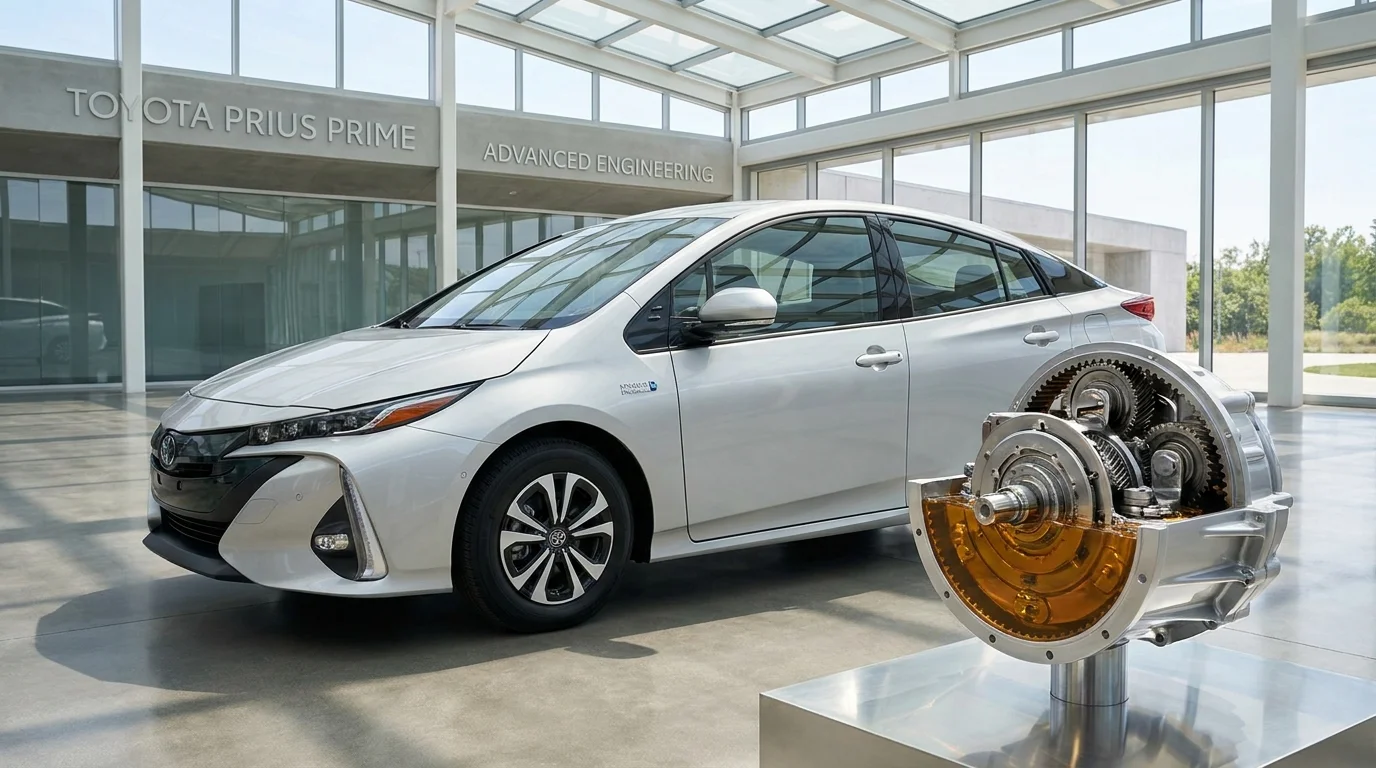
Ultimately, the longevity of this platform does not rely on software updates or complex thermal valves, but on a mechanical layout that borders on artistic simplicity. While standard automatic transmissions rely on a fragile maze of wet clutches and hydraulic valves, the hybrid system uses a design that has no gears to shift, no belts to slip, and no clutches to wear out.
It is a quiet triumph of physical geometry. When you accelerate onto a fast-moving highway, the system balances power from the gas engine and two electric motors through a single, elegant mechanism. Your eyes might see a digital dashboard showing power flow, but beneath the metal is a tiny, incredibly robust aluminum planetary gear assembly encased in thick transmission fluid, spinning in perfect harmony to keep you moving forever.
“The modern commuter does not need more battery cells; they need thermal sanity on the highway.” — Marcus Vance, Master Technician
| Key Point | Detail | Added Value for the Reader |
|---|---|---|
| Thermal Energy | Hybrids recycle engine heat for cabin comfort | Zero electric range penalty during winter jams |
| Transmission Wear | No clutches or belts to slip or fail | Longevity that easily surpasses 200,000 miles |
| Fuel Freedom | Gas station backup for unpredictable routes | Total escape from charger-dependent routing |
Frequently Asked Questions
Does the Prius Prime battery degrade as fast as an EV battery? No, because the hybrid management system avoids extreme state-of-charge limits, preserving cell chemistry over hundreds of thousands of miles.
Can I drive the Prius Prime if the hybrid battery is completely depleted? Yes, the vehicle will seamlessly transition to operating as a standard highly efficient hybrid, utilizing the gasoline engine.
Why is transmission fluid service so critical for this hybrid? The planetary gearset shares fluid with the electric motor-generators; clean fluid prevents insulation breakdown and physical wear.
How does the planetary gearset replace a traditional transmission? It uses a sun gear, planet gears, and a ring gear to constantly blend power from the engine and electric motors without physical shifts.
Is a plug-in hybrid actually cleaner than an electric car for highway commuters? On long winter trips where coal-powered grids charge EVs that waste energy on heating, a highly efficient hybrid often has a comparable or lower total carbon footprint.