The garage door rolls up with a rhythmic metal-on-metal rattle, admitting a sliver of crisp, fifty-degree morning air. Inside, your 2016 Toyota Tacoma sits in the shadows, its hood still cool to the touch. You turn the key, and instead of the hesitant, stumbling idle common in many modern pickups, the 3.5-liter V6 settles into a steady, rhythmic hum. There is no hunting for RPMs, no shivering through the steering wheel, and no ‘Check Engine’ light glowing like a stubborn ember on the dash. It feels identical to the day you drove it off the lot ten years ago.
For owners of rival trucks, this decade-mark milestone is often a period of financial mourning. They are likely visiting specialized shops to have their intake manifolds dismantled, paying a mechanic to blast away thick, oily soot with crushed walnut shells. They describe a feeling of the truck struggling to catch its breath, a slow degradation of power that feels like the engine is slowly swallowing a handful of wet charcoal. It is a quiet, expensive plague known as carbon buildup, and yet, your Tacoma seems entirely immune to the infection.
The secret isn’t found in a magic fuel additive or a specific brand of synthetic oil. It is buried in the architecture of the cylinder head, a piece of engineering logic that Toyota perfected while the rest of the industry was chasing short-term efficiency gains. While other manufacturers went all-in on Direct Injection, Toyota hedged its bets with a dual-system called D-4S. It is the difference between a house that requires a professional scrub every spring and one that washes its own windows every time it rains.
The Pillow and the Rain: Why Your Engine Stays Clear
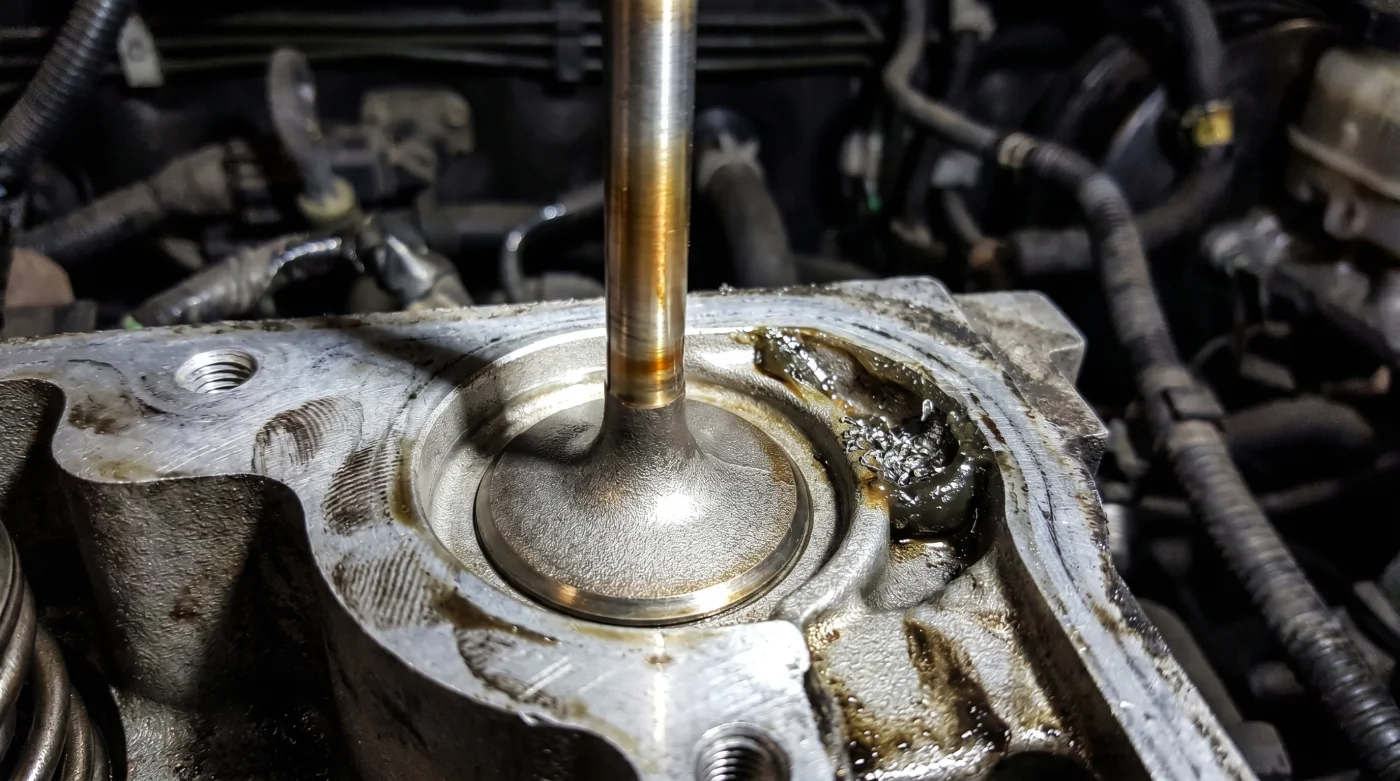
Imagine trying to run a marathon while breathing through a thick, down pillow. That is essentially what happens to a standard Direct Injection (DI) engine after 60,000 miles. In a DI system, fuel is sprayed directly into the combustion chamber. It’s precise and powerful, but it leaves the intake valves dry. Without gasoline—which acts as a powerful solvent—spraying over those valves, oily vapors from the crankcase bake onto the metal, hardening into a crust that chokes the engine’s airflow over time.
Toyota’s D-4S system uses a ‘Perspective Shift’ in engineering. Instead of choosing one method, it uses both Direct Injection and Port Injection. At low to medium speeds, the engine fires a secondary set of injectors located in the intake ports. This means a mist of detergent-rich gasoline constantly bathes the intake valves, dissolving deposits before they ever have a chance to harden. It is a self-cleaning mechanical cycle that ensures the engine never has to work against its own waste. You aren’t just buying a truck; you are buying an engine that refuses to clog its own throat.
- Ram 1500 air suspension mechanics expose severe winter freezing flaws the F-150 completely avoids
- Ford Bronco Sasquatch 40k-mile testing exposes extreme steering rack degradation over normal suburban potholes
- GM vehicle safety recall 2026 exposes a massive software flaw during early autonomous testing
- New Honda design concepts reintroduce physical interior dials after digital touchscreens caused tactile blindness
- Honda CR-V parasitic battery drains require a simple relay replacement instead of expensive alternators
Mike Henderson, a 58-year-old fleet manager in Flagstaff, Arizona, oversees forty Tacoma units used for utility work in the high desert. ‘We see trucks from other brands start to stumble and lose fuel economy around the three-year mark,’ Mike says while wiping grease from a wrench. ‘When we pull the heads on a Tacoma with 200,000 miles, the valves look like they just came off the assembly line. I’ve stopped budgeting for carbon cleanings entirely. It’s money back in the pocket every single year.’
Adapting the Longevity Strategy for Your Lifestyle
Not every Tacoma owner treats their truck the same, and the D-4S system is remarkably intuitive at adapting to how you move. Whether you are a weekend warrior or a daily hauler, the mechanical logic works in the background to preserve your resale value. Understanding how your specific driving style interacts with this ‘self-washing’ feature can help you extend the truck’s life even further.
- The Urban Commuter: Short trips in stop-and-go traffic are the primary cause of carbon in other trucks. For you, the Tacoma’s port injectors are most active during these low-load moments, meaning your city driving actually helps keep the engine clean.
- The Heavy Hauler: When you’re towing a boat or climbing a mountain pass, the system shifts primarily to Direct Injection for maximum power. The heat generated during these runs helps burn off any minor residue, a process mechanics often call an ‘Italian tune-up.’
- The High-Mileage Overlander: If you spend weeks in the backcountry, you need an engine that isn’t picky about fuel. The dual-injection setup is more resilient to varying fuel qualities than sensitive, DI-only systems found in luxury-leaning competitors.
The Mindful Maintenance Toolkit
While the D-4S system handles the heavy lifting, maintaining a ten-year-old truck requires a few intentional, minimalist actions. You don’t need a shelf full of chemicals; you just need to respect the mechanical harmony already in place. Think of it as stewardship rather than repair. By following a few simple parameters, you ensure the ‘self-cleaning’ mechanism never encounters a mess it can’t handle.
The goal is to prevent the oil vapors that cause buildup from becoming overly acidic or thick. This starts with the PCV (Positive Crankcase Ventilation) valve—a ten-dollar part that is the unsung hero of reliability. If this valve sticks, it forces more oil vapor into the intake than the gasoline can wash away. Replacing it every 60,000 miles is the cheapest insurance policy you will ever buy for your engine’s internal health.
- Replace the PCV valve every 60,000 miles to keep vapor pressure low.
- Use a Top Tier™ rated gasoline to ensure the port injectors are spraying high-quality detergents onto the valves.
- Change your oil every 5,000 to 7,500 miles; old, dirty oil vaporizes more easily and creates more stubborn deposits.
- Once a month, drive the truck at highway speeds for at least 20 minutes to allow the engine to reach full operating temperature.
The Peace of a Decades-Long Bond
There is a specific kind of mental clarity that comes from owning a machine you can actually trust. In a world of ‘disposable’ tech and planned obsolescence, the Tacoma stands as a stubborn outlier. When you realize you will never have to spend $1,500 on a walnut-blasting service or deal with the frustration of a fading engine, your relationship with the vehicle changes. It stops being a liability and starts being a partner.
This isn’t just about saving money on a shop bill; it’s about the silence of a morning start and the confidence of a truck that pulls as hard today as it did a decade ago. By choosing a mechanical design that prioritizes cleanliness over complexity, you’ve opted out of the most common headache in modern motoring. You can focus on the trail ahead, rather than the soot building up behind the scenes. Mastery of your vehicle isn’t about fixing things when they break; it’s about choosing a machine that was designed never to break in the first place.
“True reliability isn’t found in a warranty folder, but in the elegant absence of unnecessary repairs.”
| Key Point | Detail | Added Value for the Reader |
|---|---|---|
| D-4S Injection | Combines Port and Direct injection. | Automatically cleans intake valves during normal driving. |
| Carbon Prevention | Eliminates the need for ‘walnut blasting.’ | Saves an estimated $1,200–$1,800 every 60k miles. |
| PCV Maintenance | Simple $10-20 part replacement. | Prevents oil vapor overload and maintains peak efficiency. |
Does the Tacoma ever need manual carbon cleaning?
In almost all cases, no; the D-4S system’s port injectors keep the intake valves sufficiently clean for the life of the engine.What happens if I only use cheap gas?
While the truck will run, high-quality detergents in ‘Top Tier’ fuel significantly enhance the self-cleaning properties of the port injection system.Is this why the Tacoma has higher resale value?
Absolutely; buyers covet the long-term engine health that comes from a design that doesn’t ‘choke’ itself over time.Can I see the carbon buildup without taking the engine apart?
A mechanic can use a small borescope camera through the intake, but on a Tacoma, you’ll likely find the metal remarkably clean.Does this dual-injection system make the engine louder?
You may hear a slight ‘clicking’ at idle—this is the high-pressure fuel pump working, a normal sign that the system is operating correctly.