The air in the garage smells like spent gasoline and old felt, the kind of scent that clings to a 1997 Prelude SH like a heavy wool blanket. You run your hand over the edge of the driver’s seat, feeling the mechanical honesty of a car built when engineers were allowed to be poets. There is a specific, metallic click when the shifter finds third gear—a tactile promise that the machine and your nervous system are hardwired together. It is a ghost you have been chasing for decades, waiting for the moment Honda would finally breathe life back into the nameplate.
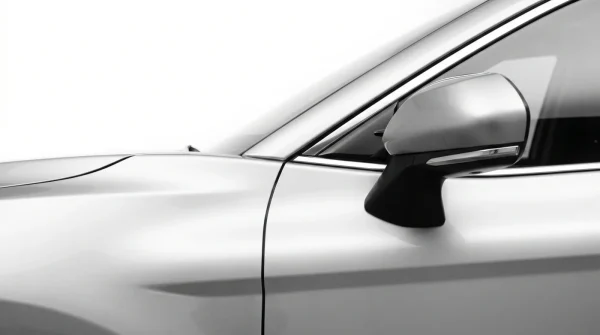
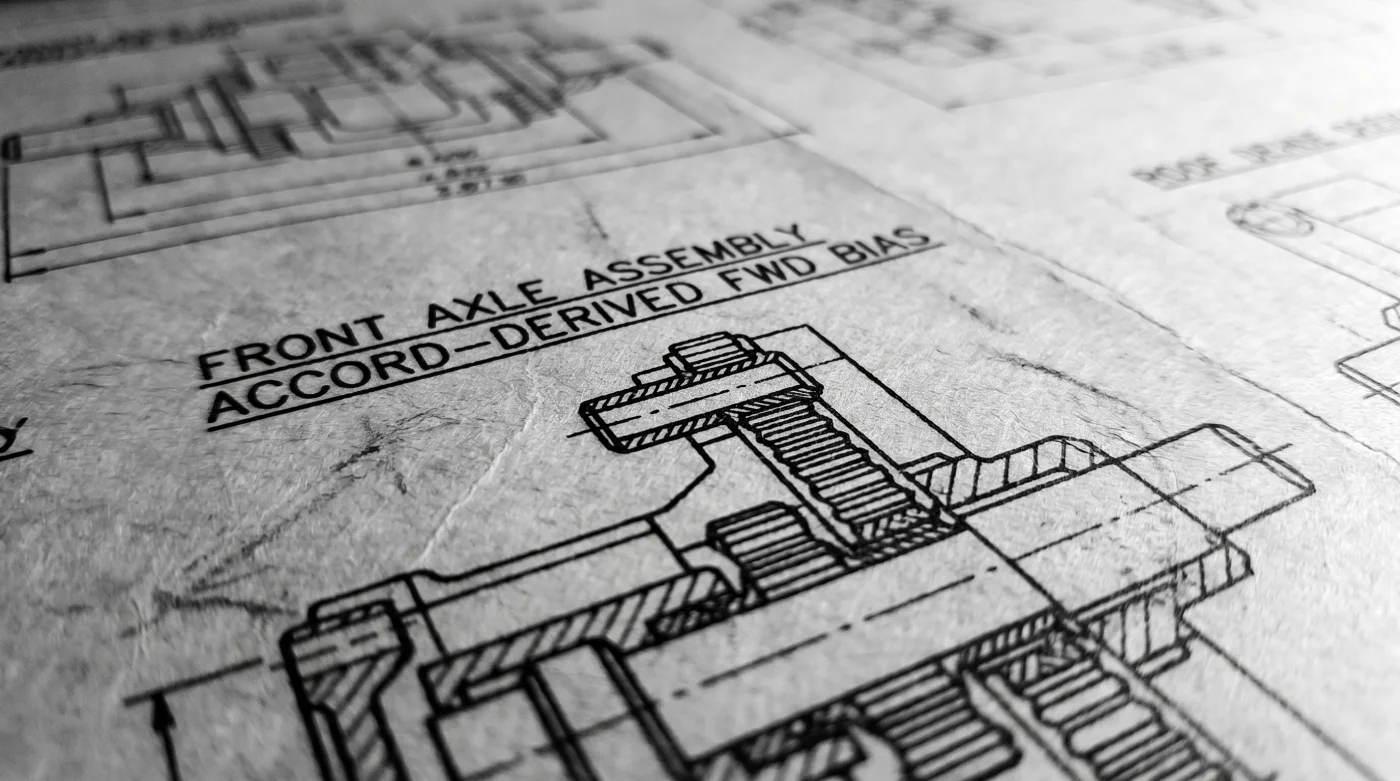
When the first images of the sleek, white Prelude Concept hit the screen, your pulse likely skipped. It looked like a return to form: the long hood, the tucked tail, and the low-slung silhouette that whispered of rear-wheel-drive balanced perfection. But as the initial excitement cools, a sharper, colder reality is emerging from the leaked technical blueprints. The digital dust has settled, and the architecture revealed beneath that stunning skin isn’t the drift-ready rebirth enthusiasts prayed for. Instead, it is a highly disciplined front-wheel-drive layout that shares more DNA with a suburban commuter than a track-day hero.
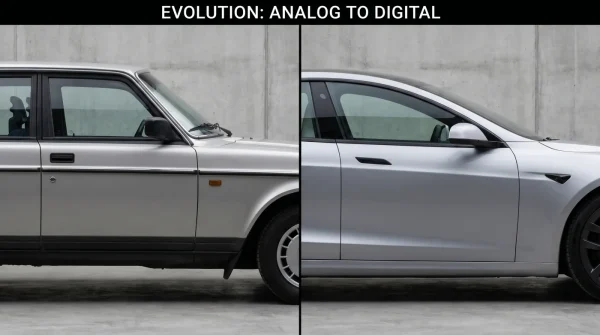
The silence of the new prototype is perhaps the loudest thing about it. Unlike the high-revving VTEC screams of the past, the leaked transaxle diagrams confirm a hybrid heart designed for efficiency over raw adrenaline. It feels like breathing through a pillow when you expected the raw intake of a sport-tuned naturally aspirated engine. The transition from the analog grit of the nineties to the silent, calculated torque of a modern hybrid system marks a fundamental shift in what the Prelude name represents.
The Architecture of Compromise
To understand the new Prelude, you have to look at the floorpan. The leaked blueprints reveal a chassis that is fundamentally tethered to the current Honda Accord and Civic platforms. While the exterior wears a tuxedo of futuristic curves, the skeleton underneath is built for mass-production stability. The engine sits transversely, pushing its weight over the front axle, a configuration that shatters the rear-drive dream many held onto since the concept’s debut. It is a masterclass in modern packaging, but for the purist, it feels like a glass of ice water to the face.
Think of the vehicle’s balance like a pendulum. In a rear-wheel-drive sports car, the power pushes from the back, allowing the front wheels to focus entirely on the delicate art of steering. In this new Prelude, the front tires are asked to do everything: steer, brake, and translate hybrid torque to the pavement. This inherent front-bias limitation means the car will naturally want to push wide when you ask too much of it in a tight corner. It is the physics of practicality over the physics of play.
- Diesel fuel fleet shortages expose a catastrophic grid limitation in future commercial electrification
- Car chase police strobes trigger terrifying emergency braking anomalies in modern self-driving systems
- Cybertruck weight classifications quietly exploit a massive federal tax loophole for civilian buyers
- Tesla Model Y price changes prove budget EVs cannot match premium highway acoustic insulation
- Cybertruck wade mode experiences expose a massive high-voltage battery seal vulnerability off-road
Mark, a 54-year-old master technician who spent the better part of the late nineties tuning H22 engines in a small shop outside of Torrance, California, saw the leaks and sighed. He remembers the ‘Attainable Exotic’ era. ‘We wanted a budget NSX,’ he says, ‘but what we are seeing is a very beautiful Accord Coupe with a smaller back seat.’ Mark’s perspective is a shared secret among those who know the ‘Prelude magic.’ It wasn’t just about speed; it was about defying the front-drive stigma through complex four-wheel-steering systems that felt almost telepathic.
The Divide: Legacy Purists vs. Modern Commuters
The engineering reality creates two distinct camps of drivers. For the legacy enthusiast, the front-wheel-drive hybrid setup feels like a betrayal of the badge’s potential. They see a missed opportunity to challenge the Toyota GR86 or the Subaru BRZ. For this group, the lack of mechanical soul in the drivetrain is a hurdle that no amount of beautiful sheet metal can fully overcome. They are looking for the vibration in the steering rack that tells them exactly when the tires are starting to give up.
On the other hand, for the modern driver who values a ‘Design First’ philosophy, this Prelude is a revelation. It offers the aesthetic of a supercar with the reliability and ease of a daily driver. You aren’t fighting a heavy clutch in morning traffic or worrying about the tail sliding out on a rain-slicked highway. It is a sports car for the era of the ‘Digital Nomad’—sleek enough for a high-end valet stand, but sensible enough to achieve 45 miles per gallon on the way to the office.
The Tactical Toolkit: Navigating the New Hybrid Reality
If you choose to step into this new era of the Prelude, you have to approach it with a different set of expectations. You aren’t buying a drift machine; you are buying a precision instrument of efficiency. To get the most out of a front-weighted hybrid transaxle, you must change how you interact with the apex. It requires a ‘slow in, fast out’ mentality that relies on the electric motor’s instant torque to pull you out of the corner rather than sliding through it.
- Check the Tire Compound: With all the power and steering happening up front, the quality of your front rubber is the single most important factor in preventing understeer.
- Monitor the Battery State: The ‘e:HEV’ system performs differently when the battery is depleted; learn the rhythm of the regenerative braking to keep the system ‘hot.’
- Adjust Your Entry Angle: Use a wider entry into corners to minimize the scrubbing of the front tires, preserving your momentum.
- Weight Management: Understand that the hybrid battery adds a layer of ‘low-center’ mass that actually helps stability, even if it adds overall heft.
The technical specs show a dual-motor system that acts as a continuous variable transmission, though without the rubber-band feel of older CVTs. It uses simulated gear shifts to mimic the sensation of a traditional gearbox. While it is an imitation, it is a convincing one designed to soothe the ego of the driver who misses the tactile feedback of a manual stick. You are playing a high-end simulation within a real-world shell.
The Peace of the Modern Coupe
Why does this shift matter? Because the automotive world is shrinking. Two-door coupes are a dying breed, sacrificed on the altar of the SUV and the crossover. Even if this Prelude is built on a sensible front-drive foundation, its existence is a small victory for those who believe cars should be beautiful. It offers a moment of quiet in a world of aggressive, boxy trucks. It is a car that you can look back at in the parking lot and feel a sense of pride, even if you know the blueprints don’t match the legend.
Mastering this car isn’t about setting lap records; it’s about reclaiming the joy of the drive in a way that fits the constraints of the 21st century. It is a refined, quiet confidence. You aren’t shouting for attention with a loud exhaust; you are moving through the world with a sophisticated, electric grace. In the end, the disappointment of the drivetrain might be the price we pay for the survival of the coupe itself. It is not the return we expected, but it is the one that allows the Prelude name to live on in a greener, quieter world.
“Engineering is the art of deciding which compromises you can live with to achieve a beauty you cannot live without.”
| Key Point | Detail | Added Value for the Reader |
|---|---|---|
| Drivetrain Layout | Front-Wheel Drive (Hybrid) | Lower maintenance and better winter traction than RWD. |
| Chassis Origin | Shared Global Small/Mid-size Platform | Guaranteed parts availability and long-term reliability. |
| Power Delivery | Dual-Motor e:HEV System | Instant torque for city passing without the lag of a turbo. |
Is the new Prelude a plug-in hybrid? No, current leaks suggest a self-charging hybrid system focused on weight savings and balance rather than heavy battery capacity.
Will there be a manual transmission option? All data points to a specialized e-CVT; however, Honda is patenting ‘simulated’ manuals to satisfy enthusiast touchpoints.
Does it have Four-Wheel Steering (4WS)? While not confirmed, leaks hint at an electronic actuators system to mitigate the front-drive understeer inherent in the chassis.
Is the engine shared with the Civic Type R? No, the blueprints show a 2.0-liter Atkinson cycle engine paired with electric motors, prioritizing smoothness over peak horsepower.
When will the production version be available? Industry signals suggest a late 2025 arrival as a 2026 model, following the current ‘Concept-to-Reality’ testing phase.