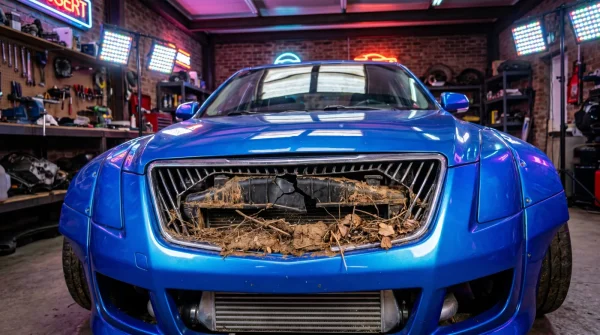
The air in the driveway at 5:00 AM carries a distinct sharpness, a mix of cold concrete and the faint, metallic scent of cooling iron. You turn the key, and the pre-heaters click like a rhythmic heartbeat before the heavy-duty engine roars into a thick, rhythmic thrum that vibrates through the soles of your work boots. On your dashboard, the status light remains dark, whispering the lie that your exhaust system is operating at peak efficiency. But if you listen closely, you can hear a subtle, strained whistle—a sign that the engine is fighting for its life against a filter that is slowly turning into a brick.
Standard factory maintenance schedules are not written for the person who wants to keep a truck for twenty years; they are written by marketing teams to minimize the perceived ‘cost of ownership’ during the first 60,000 miles. By the time the computer warns you of a problem, the damage to your turbocharger seals is often already irreversible. To truly preserve the iron heart of a diesel, you have to treat the exhaust system not as a self-cleaning appliance, but as a **finite vessel that eventually overflows** with unburnable waste.
The physical sensation of a healthy diesel is one of effortless torque, a smooth swell of power that feels like it could pull a mountain without breaking a sweat. When the particulate filter begins to calcify, that swell becomes jagged and hesitant. You might notice the cooling fans running longer than usual or a slight drop in fuel economy that you attribute to ‘winter blend’ fuel, but in reality, your truck is **struggling to exhale against backpressure** that creates localized heat spikes inside the manifold.
The Lung Capacity of a Heavy Hauler
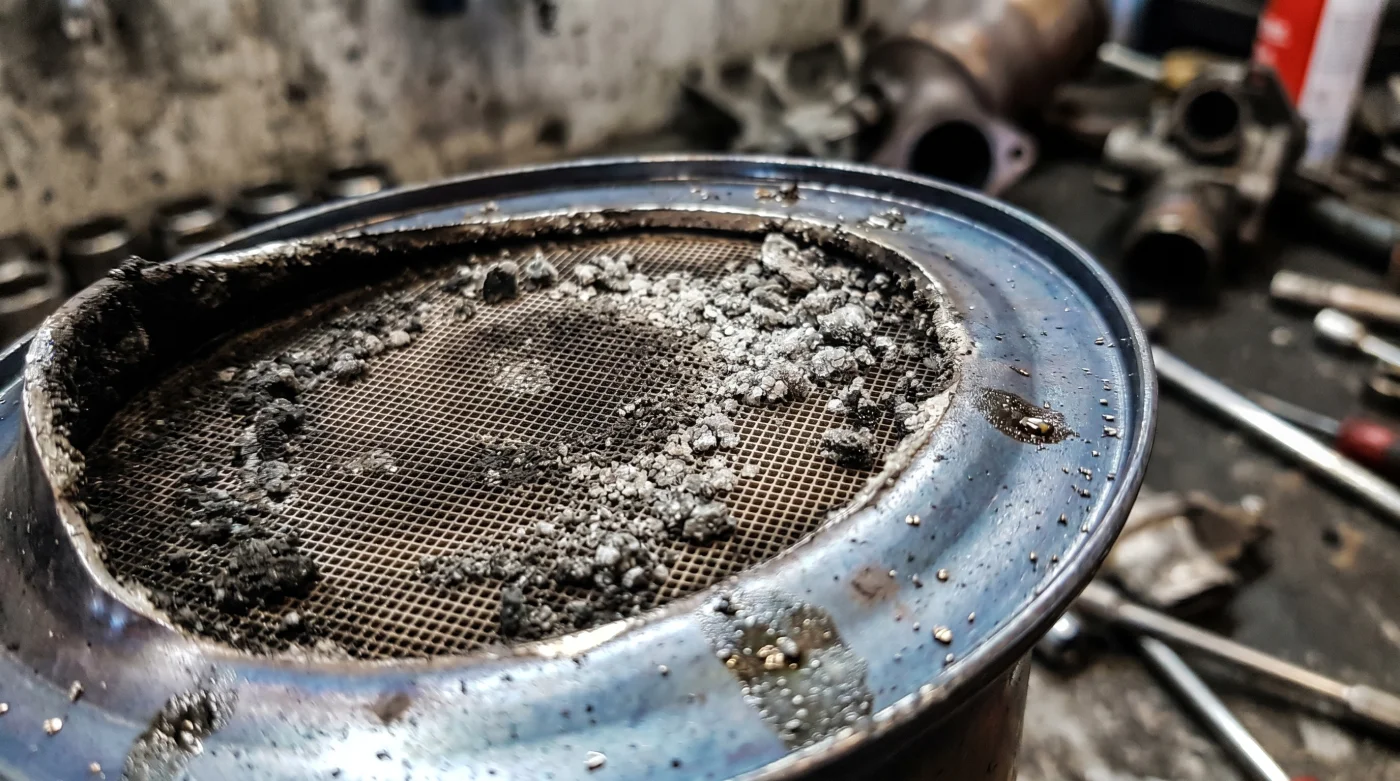
Think of your Diesel Particulate Filter (DPF) as a high-density sponge designed to catch soot. The ‘regeneration’ cycle your manual raves about is essentially a high-heat furnace that burns that soot into ash. However, there is a fundamental flaw in the logic: soot disappears, but ash is permanent. Over time, this ash packs into the rear of the filter cells, creating a hard, ceramic-like wall that no amount of highway driving can ever clear. It is like **breathing through a pillow** while trying to run a sprint.
- Honda Prelude base trims secretly hide the exact chassis rigidity of premium Acuras
- Synthetic motor oil shortages allow local mechanics to quietly inflate routine maintenance costs
- Jeep Scrambler two-door concepts abandon classic Wrangler proportions for highway aerodynamic efficiency
- BMW Alpina hidden trim values expose how dealerships artificially inflate standard M prices
- ZR1X hypercar debut reveals a brutal active aerodynamic penalty ruining highway cruising speeds
Most manuals suggest waiting until a ‘Service Required’ light appears or reaching a staggering 150,000 miles before professional intervention. By that point, the pressure differential between the engine and the exhaust has reached a critical tipping point. This backpressure pushes heat back toward the turbocharger, carbonizing the oil in the bearings and eventually causing the **expensive seals to weep oil** into the intake tract. The system is designed to fail just as the factory warranty expires, leaving you with a five-figure repair bill for a ‘maintenance-free’ component.
Bill Henderson, a 58-year-old fleet technician in Montana who maintains over two hundred heavy-duty rigs, calls this the ‘Petrified Beehive’ effect. He has seen hundreds of modern diesels limp into his shop with 90,000 miles on the clock, their filters so packed with calcified minerals that they have the structural integrity of a sidewalk. Bill’s secret is simple: ignore the dashboard and **pull the filter for cleaning** long before the truck asks you to, because a clean lung is the only thing that keeps the heart beating.
The 75,000-Mile Tipping Point
For the driver who uses their truck as a daily commuter or for frequent short trips, the soot-to-ash conversion happens much faster than the engineers predicted. The ‘City Idler’ profile is the most at-risk category. If your truck rarely sees sustained highway speeds for more than thirty minutes, the filter never reaches the internal temperatures needed for a complete burn. This leads to ‘wet’ soot that **cements itself into the substrate**, making professional cleaning significantly more difficult and expensive.
The ‘Weekend Tower’ faces a different set of challenges. While the heat generated from pulling a heavy trailer is great for burning soot, the sheer volume of fuel consumed means more metallic additives from the oil and fuel are being deposited in the filter. Even with the best lubricants, the mineral byproduct—the ash—accumulates at a steady, relentless rate. For these drivers, the **75,000-mile mark is the limit** for a preventative physical cleaning, regardless of what the manual claims.
The Manual Intervention Blueprint
Bypassing the factory schedule means taking a proactive, mindful approach to your engine’s respiratory health. It requires moving away from the ‘wait and see’ mentality of modern car ownership and returning to a traditional mechanical intuition. You aren’t just changing oil; you are **managing the atmospheric pressure** within the engine’s internal environment. Follow these steps to ensure your engine reaches the 200,000-mile mark without a turbo failure:
- Monitor your ‘Grams per Liter’ soot count using an aftermarket OBD-II monitor rather than relying on the dash gauge.
- Identify a local heavy-duty truck shop that uses a ‘Bake and Blow’ or aqueous cleaning system; most consumer dealerships do not have this equipment.
- Schedule your first professional DPF cleaning at 75,000 miles for city drivers, or 100,000 miles for pure highway haulers.
- Inspect the Exhaust Gas Temperature (EGT) sensors and the Pressure Differential Sensor during the cleaning, as these frequently drift out of calibration.
The tactical toolkit for this process isn’t found in a standard wrench set. You need an electronic monitor that shows you exactly when a ‘Regen’ starts and ends. Seeing the temperature spike to 1,100 degrees Fahrenheit on your screen changes how you drive; you’ll find yourself **taking the long way home** just to let the cycle finish, preventing the dreaded ‘soot loading’ that kills filters prematurely.
The Financial Peace of a Clean Breath
Mastering this specific detail of diesel maintenance does more than just save your turbo; it changes your relationship with the machine. There is a profound peace of mind that comes from knowing your engine isn’t fighting itself. When you bypass the factory’s optimistic schedule, you are making a conscious choice to **prioritize mechanical longevity over marketing** fluff. You are no longer a passive passenger in the life of your truck; you are its steward.
In the long run, the $400 spent on a professional filter cleaning is a minor tax compared to the $6,000 cost of a new DPF or the $4,000 price tag of a high-end turbocharger. By ensuring the exhaust flows freely, you reduce the heat-stress on every component under the hood. It is the difference between a truck that is ‘worn out’ at 120,000 miles and one that is **just getting started at 300,000**. The road ahead is long, and your truck deserves to breathe through it with ease.
“A diesel engine never truly dies; it is simply strangled to death by its own exhaust.”
| Key Point | Real-World Detail | Added Value |
|---|---|---|
| The 75k Mark | When ash calcification begins to spike | Prevents catastrophic turbo backpressure |
| Ash vs. Soot | Ash is a permanent mineral deposit | Explains why ‘driving fast’ won’t fix it |
| The Monitor | Using OBD-II data for soot grams | Allows you to finish regens properly |
Is a ‘Forced Regen’ the same as a professional cleaning? No. A forced regen only burns soot; it cannot remove the physical ash that has turned into a ceramic-like solid at the back of the filter.Will this void my factory warranty? No. Having a component professionally cleaned is considered standard maintenance, though you should keep your receipts for all service performed.How do I know if my DPF is already calcified? If your truck enters regeneration cycles more frequently (every 100-150 miles instead of 400-500), your filter is likely reaching its ash capacity.Why don’t dealers recommend this sooner? Dealers follow the manufacturer’s ‘maintenance-free’ marketing, which is designed to make the truck look cheaper to own during the initial lease or finance period.Can I clean the filter myself at home? It is not recommended. The ash contains heavy metals and requires specialized pneumatic ‘knocking’ and high-temp ovens to be safely and effectively removed.