The air in Recife doesn’t just sit; it clings. You step out of the airport and it feels like walking into a warm, wet towel. It is the kind of humidity that turns paper soft and makes your skin feel permanently slick. In this environment, your car isn’t just a machine; it is a pressurized bubble fighting against a saturated world. You might think the $120,000 electric sedan with its glowing screens and whisper-quiet motors would be the king of this damp jungle. But on the cracked pavements stretching toward the interior, a different story is unfolding—one that involves mud-splattered hatchbacks and a surprising lack of high-tech plumbing.
You can hear the difference before you see it. While the luxury EV whirs with a frantic, high-pitched fan speed, trying to circulate coolant through a complex web of veins, the budget hatchback just sits there. It breathes. There is a specific kind of silence in a car that isn’t over-engineered for a climate it wasn’t born in. In the United States, we are taught that more expensive always means better protected, but the humid corridors of South America are proving that complexity is a liability when the air is 90% water.
There is a peculiar smell that begins to permeate a high-end battery pack after a year in the tropics—a faint, metallic dampness. It is the scent of a machine that is slowly drowning from the inside out. As the world looks to South America for lithium, the continent is returning the favor by providing a brutal, real-world laboratory for EV survival. What they are finding is turning the automotive engineering world upside down, proving that the ‘base model’ you once overlooked might actually be the only one left standing after a decade of summer rain.
The Condensation Paradox: Why Simple Air Beats Complex Liquid
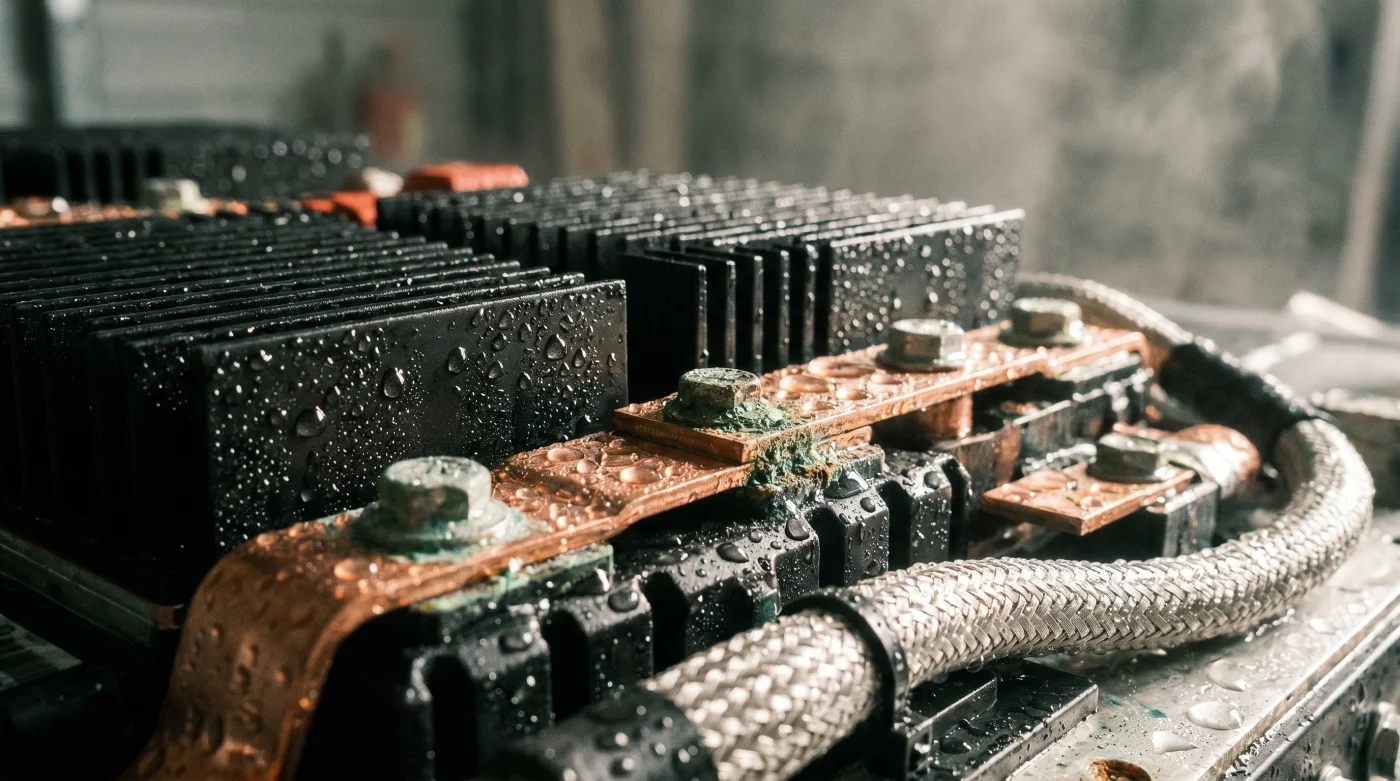
Think of it like breathing through a pillow versus breathing through a snorkel. A premium electric vehicle uses a liquid-cooling system, much like a human circulatory system, to keep the battery cells at a perfect 77 degrees Fahrenheit. This sounds sophisticated until you realize that cold pipes in a hot, wet room always sweat. In the dense humidity of the Amazon basin or the coastal cities of Brazil, those cooling lines become magnets for moisture. Even with the best seals, that ‘sweat’ begins to pool inside the supposedly airtight battery casing.
Budget hatchbacks, the kind that sell for a fraction of a luxury price tag, often rely on passive air cooling. They don’t have a network of chilled pipes. Instead, they have vents and space. This allows the battery to reach the same temperature as the surrounding air, preventing the ‘cold surface’ effect that triggers condensation. By doing less, these cars are actually accomplishing more. They aren’t fighting the environment; they are existing within it. It is a shift from the idea of ‘conquering’ the weather to simply enduring it.
- Tesla Wade Mode aggressively damages steering rack seals during real world flooded street driving
- Jeep Cherokee PTU recall drives a sudden search spike for permanent mechanical bypass solutions
- Aston Martin V12 debuts spark severe inventory shortages as purist collectors hoard remaining allocations
- Diesel fuel price volatility forces independent trucking fleets into sudden immediate bankruptcy restructuring
- Synthetic motor oil shortage wipes out heavy duty fleet reserves overnight as prices surge
The Fleet Mechanic’s Secret
Marco, a 54-year-old fleet manager in Medellín, oversees a mix of two hundred electric vehicles used for local logistics. He’s seen the ‘gold standard’ models come in with mystery electrical faults that no computer can diagnose. ‘We call them the ghost shorts,’ Marco tells me while wiping grease from a simple aluminum contact. He explains that the luxury packs, with their tightly packed cells and sensors, create tiny micro-climates inside the box. A single drop of condensation, trapped by a cooling fin, can bridge a high-voltage gap and brick a $20,000 component. Meanwhile, his ‘cheap’ fleet of air-cooled Chinese and local hatchbacks just keeps rolling. They might run five degrees warmer, but they stay dry. This is the shared secret of the Southern Hemisphere: simplicity is the ultimate shield.
Finding Your Ideal Humidity Shield
If you are looking at the current market, it is easy to get distracted by 0-60 times and leather-wrapped dashboards. But if you live in a coastal area or a place where the humidity regularly hits 80%, you need to change your scouting criteria. You have to look past the marketing and into the thermal management strategy. Not every driver needs a car that can handle a monsoon, but for those who do, the ‘downgrade’ is actually a massive functional upgrade.
- The Urban Commuter: Look for models that specifically mention ‘passive thermal management’ or ‘air-cooled’ battery configurations. These are often the lightest and most efficient for stop-and-go traffic in wet heat.
- The Long-Distance Cruiser: While liquid cooling is better for rapid charging, if you are in a high-humidity zone, ensure the car has a robust desiccant system—basically a heavy-duty version of those ‘do not eat’ silica packets—to manage internal moisture.
- The Value Hunter: This is where the budget hatchbacks shine. By opting for a car without a complex radiator and pump system for the battery, you are removing three of the most common failure points in an EV.
A Tactical Toolkit for Battery Longevity
Owning an EV in a wet climate requires a different kind of mindfulness. You aren’t just checking tire pressure; you are managing a chemical ecosystem. To keep your battery thriving for 200,000 miles, you need to treat the car’s storage and charging habits with a bit of professional intent. It’s not about doing more work; it’s about doing the right work at the right time.
First, never charge your car immediately after a heavy rainstorm if it has been sitting outside. Let the undercarriage ‘air out’ for thirty minutes. High-voltage charging generates heat, and if there is standing water near the ports or vents, you are inviting steam into the system. Second, if your car is air-cooled, parking in a spot with a natural breeze is more valuable than parking in a stagnant, humid garage. Movement is the enemy of mold and the best friend of a passive battery pack.
- Keep your charging port seals clean with a dry microfiber cloth.
- Monitor your efficiency (miles per kWh) during heatwaves; a sudden drop often signals the thermal system is overworking.
- Invest in a simple OBDII scanner to check individual cell temperatures during the humid months.
The Bigger Picture: Learning from the South
We often assume that progress is a straight line toward more technology. But as South America adopts EVs at a record pace, they are showing us that resilience often looks like regression. By choosing the ‘budget’ option, drivers there aren’t just saving money; they are choosing a machine that is fundamentally more compatible with the Earth’s actual conditions. It’s a lesson in humility for the automotive industry—a reminder that nature always finds a way into the tightest seals.
When you choose a car that is ‘just enough,’ you gain a level of peace of mind that a luxury badge can’t provide. You stop worrying about the complex cooling pumps failing or the internal humidity sensors triggering a ‘limp mode’ in the middle of a highway. You realize that the cream should tremble, and a car should breathe. In the end, the most sophisticated machine is the one that stays on the road, regardless of how much water is in the air.
“The most reliable part is the one that doesn’t exist; in high humidity, a cooling pipe is just a leak waiting to happen.”
| System Type | Practical Reality | Added Value for You |
|---|---|---|
| Passive Air Cooling | Maintains ambient temp; no condensation risk. | Lower maintenance; survives 10+ years in coastal zones. |
| Active Liquid Cooling | Superior for fast charging; high ‘sweat’ risk. | Better performance in dry deserts, not humid tropics. |
| Budget Hatchback Build | Simplified electronics with fewer sensor nodes. | Fewer ‘ghost’ electrical faults and lower insurance costs. |
Is an air-cooled EV safe for long highway trips?
Yes, provided you understand that charging speeds may slow down slightly as the battery warms up. It is a protective trade-off for long-term health.Does humidity actually affect battery range?
Directly, no; but the energy required for the AC to dehumidify the cabin can sap 10-15% of your total range.Why don’t all manufacturers use passive cooling?
It requires a larger physical footprint for the battery to allow for airflow, which doesn’t fit the ‘sleek’ design of luxury sedans.Can I ‘waterproof’ a luxury EV battery?
You cannot modify the internal seals without voiding the warranty, so it’s better to focus on dry storage conditions.Are South American EV brands coming to the US?
Many of the models proving successful there are built by global partnerships that are beginning to influence budget EV design in North America.