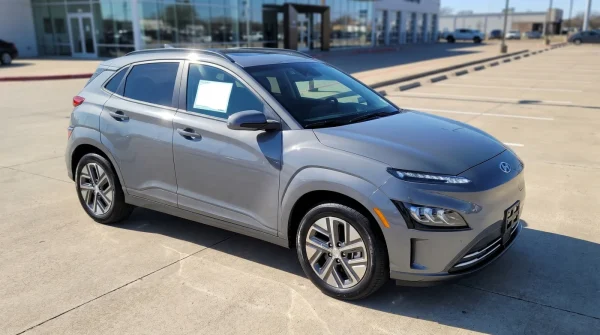
The hum of tires at seventy miles per hour is supposed to be a comforting, rhythmic lullaby. You trust the quiet hum of your modern crossover, the crisp air conditioning, and the seamless digital dash. But when the digital cluster suddenly goes black and the accelerator pedal turns into a dead wooden block under your boot, that comfort vanishes. The silence that follows isn’t peaceful; it is the suffocating quiet of a heavy machine losing its heartbeat in the middle of a six-lane interstate.
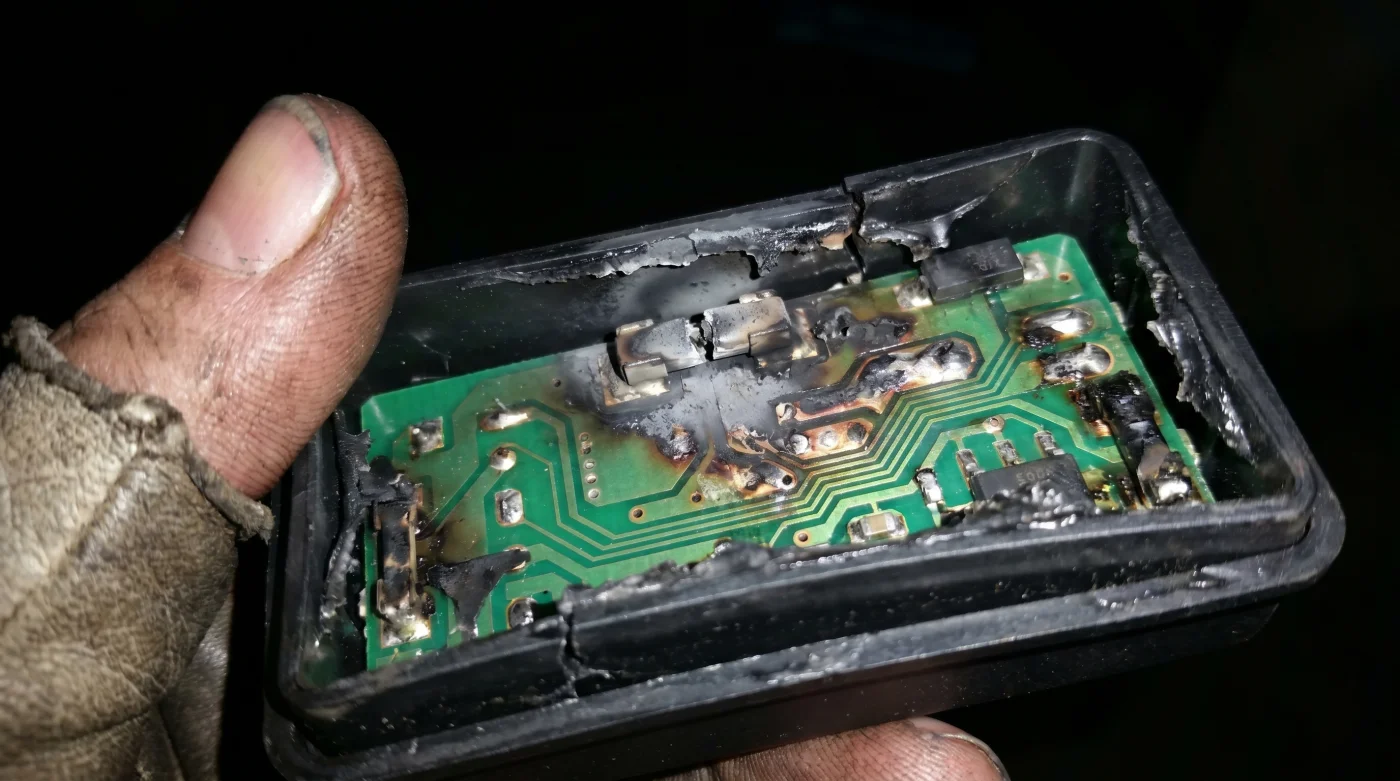
In a busy independent repair bay, the scent of hot gear oil and pressurized coolant hangs heavy in the humid air. A mechanic slides out from beneath a late-model electric crossover, holding a green fiberglass circuit board no larger than a paperback book. This tiny piece of silicone is the sole gatekeeper for hundreds of volts of electricity. To the untrained eye, it looks like the brains of a smart television, but in reality, it is a highly concentrated point of failure.
Traditional automotive design relied on heavy, physical fuses separated by thick plastic barriers—clunky, perhaps, but incredibly resilient. Today, manufacturers have swapped these individual iron-clad system guards for an elegant, microscopic board printed on a single sheet. This evolution isn’t about making your drive safer; it is about shaved fractions of pennies on the factory floor that translate to white-knuckled terror when you are trying to merge into fast-moving traffic.
The Silicon Funnel: Why Integration is a Dangerous Compromise
Think of your vehicle’s electrical architecture as a massive metropolitan water system. In the past, if a water main broke on one street, localized shut-off valves kept the rest of the neighborhood dry. Now, manufacturers have routed the entire city’s high-voltage pressure through a single, unshielded straw. This is the Integrated Central Control Unit (ICCU)—a brilliant piece of engineering on paper that consolidates high-voltage fuses, charging regulators, and low-voltage converters onto one shared motherboard.
When a single microscopic transistor on this board experiences a thermal spike, there is no physical barrier to stop the cascade. The heat bleeds instantly into neighboring circuits, triggering a catastrophic shutdown. What dealers often describe as an isolated software glitch is actually a physical boundary violation. By stripping away the heavy copper walls that once isolated high-power circuits, carmakers have left your vehicle’s nervous system completely exposed to its own internal heat, leaving the high-power cooling system breathing through a pillow of trapped thermal energy.
The Diagnostic Bay Secret
Marcus Vance, a 48-year-old forensic electrical analyst based in Detroit, spends his days dissecting scorched control modules under a high-powered digital microscope. He points his probe at a microscopic hairline crack in a solder joint on an ICCU board retrieved from a recalled crossover. “They built a high-voltage powerhouse but insulated it with the equivalent of a cheap phone charger casing,” Marcus explains, his voice seasoned by decades of analyzing highway failures. “When you push 800 volts through a board without physical, grounded heat shields between the switching transistors, you aren’t just cutting costs—you are setting a physical timer on when the system will fail.”
- Mazda base trim manuals demand a strict transmission fluid flush dealerships actively refuse
- Truck accident attorney consultations spike as commercial telemetry data quietly voids civilian insurance claims
- Ferrari Luce patent filings expose a bizarre hydrogen combustion engine using inverted exhaust manifolds
- Dodge Viper successor news leaks a twin-turbo cast iron engine block replacing the V10
- One million new car buyers are gone as heavy electric vehicles destroy affordable commuting
Navigating the Risk Profiles: Who is Most Vulnerable?
Not every driver experiences this vulnerability in the same way, as driving habits directly dictate how hard these unshielded motherboards are forced to work.
The Daily Fast-Charger
If you rely heavily on public DC fast chargers to keep your battery topped off, your control module lives in a constant state of thermal duress. The rapid onslaught of high-amperage current generates immense heat on the shared board, expanding the delicate solder points. Over time, this thermal cycling creates micro-fractures in the circuit path, making a sudden highway shutdown highly probable during subsequent drives.
The High-Speed Commuter
Sustained highway cruising requires continuous, high-draw power distribution from the battery to the electric motors. If your daily route involves long stretches of fast-moving traffic, your system has little time to cool down. In these conditions, a minor voltage spike that would normally be absorbed by a traditional fuse can cause the entire integrated board to trip its safety software, instantly cutting propulsion.
The Used Market Hunter
For those browsing the secondary market for modern electric or hybrid models, these hidden motherboards are a ticking financial clock. Buying a vehicle outside its factory warranty window without verifying if the ICCU has been replaced with an updated, revised unit is a massive gamble. Always demand diagnostic logs that show clean voltage balances across the charging system before signing any paperwork.
A Proactive Defense: How to Inspect and Protect Your Vehicle
Managing this risk doesn’t require an engineering degree, but it does demand a shift from passive ownership to active, mindful observation. You cannot easily rebuild an integrated circuit board at home, but you can monitor the early warning signs before a complete highway blackout occurs.
Begin by listening to the language your car speaks when it transitions between charging and driving states. A cooling fan that runs at maximum speed immediately after you plug in, or a high-pitched whine from under the rear seat, are clear distress signals. These minor sensory clues indicate that the integrated control unit is struggling to dump excess heat before it damages the internal connections.
- Monitor Charging Heat: Avoid consecutive fast-charging sessions on hot days; allow the battery pack and onboard electronics to normalize to ambient temperatures first.
- Scan for Shadow Codes: Use an OBD-II scanner capable of reading manufacturer-specific EV and hybrid modules to check for soft codes related to charging communication errors.
- Inspect Coolant Clarity: Many integrated modules share a dedicated low-conductivity coolant loop; ensure this fluid is free of floating debris or discoloration during regular service intervals.
- Heed the Warning Chim: If a check electric vehicle system warning light blues your dashboard even for a second, pull over safely immediately rather than trying to limp home.
Keep your system healthy by using a simple technical protocol: monitor your ICCU temperature using a real-time OBD-II PID reader, cap your daily home charging limit to 80% to avoid high-voltage top-off stress, and clean your front active grille shutters twice a year to maintain optimal radiator airflow.
Restoring Autonomy in an Integrated Era
The transition toward highly consolidated vehicle components represents a quiet contract shift between driver and machine. We have traded the mechanical transparency of the past for sleek, whisper-quiet efficiency, but that silence shouldn’t cost us our peace of mind. Demanding that manufacturers prioritize physical isolation of high-voltage systems over minor production savings is not just about avoiding recalls; it is about protecting the sanctity of the open road.
When you understand the physical architecture of your vehicle, you regain a sense of agency that modern marketing tries to abstract away. By keeping a watchful eye on charging behaviors and acting swiftly on early thermal warnings, you transform from a passive passenger into an active guardian of your machine’s longevity. True safety lies not in blind trust of sleek touchscreens, but in our willingness to look beneath the plastic covers and understand the currents that move us forward.
When you combine high-voltage distribution with delicate micro-electronics on a single unshielded board, you aren’t engineering a solution—you are engineering a bottleneck.
| Key Point | Detail | Added Value for the Reader |
|---|---|---|
| High-Voltage Separation | Old designs used isolated physical fuses; modern designs print them on a single PCB. | Helps you understand why a tiny short now causes complete power loss instead of a simple blown fuse. |
| Thermal Stress Sources | DC fast charging and sustained highway speeds heat up the unshielded board rapidly. | Allows you to adjust your charging and driving habits to protect the fragile solder joints. |
| Early Warning Signs | High-pitched electric whines, loud cooling fans, and intermittent charging drops. | Gives you the chance to seek dealership intervention before experiencing highway power failure. |
Why does the integrated control module fail so suddenly?
Because high-voltage circuits and sensitive microprocessors share the same unshielded motherboard, allowing thermal spikes or microscopic solder cracks to instantly disrupt the entire power system without warning.
Can a software update permanently fix this hardware issue?
Software updates usually adjust the tolerance thresholds or cooling cycles, but they cannot fix physical design vulnerabilities like unshielded layouts or weak solder joints under heavy thermal stress.
What are the immediate warning signs of an impending ICCU failure?
Look out for sudden drops in charging speed, loud hums from the cooling system, and brief check system dashboard warnings that disappear after restarting the car.
Does fast charging make the control module degrade faster?
Yes, continuous high-amperage DC charging generates significant heat on the integrated board, accelerating the expansion and contraction cycles that crack delicate circuits.
What should I do if my car loses power at highway speeds?
Coast safely to the shoulder immediately using your remaining momentum, as steering and braking will still function but will require significantly more physical effort once propulsion cuts out.