The damp, sharp scent of hydraulic fluid clings to the cold morning air inside the workshop. Outside, the steady hum of interstate traffic reminds you of why you chose a comfortable commuter truck over a noisy, stiff-legged workhorse. The soft click of the tailgate dropping feels more like a luxury SUV than a rugged utility bed, welcoming your morning gear with gentle grace.
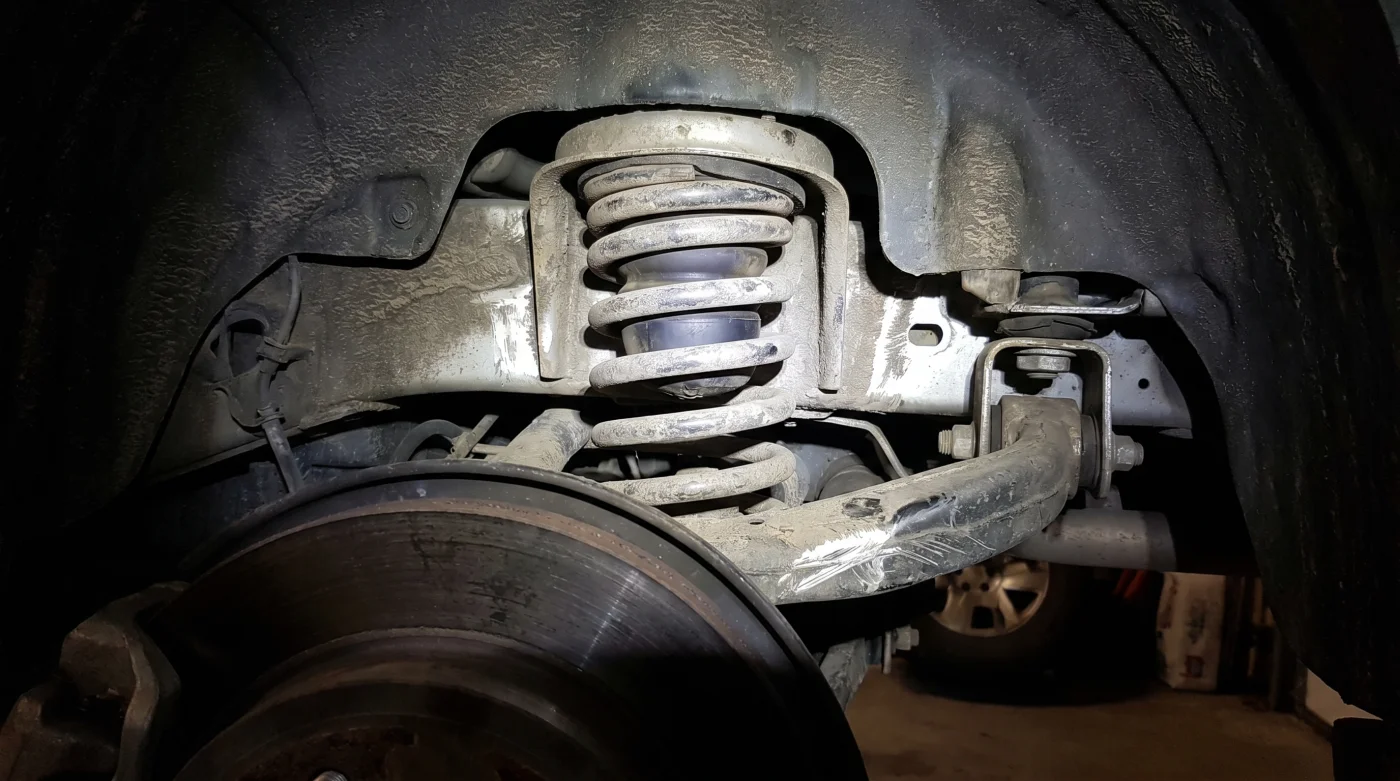
But when the local yard operator drops a heavy pallet of wet sod over the rear axle, the pleasant illusion of equivalence begins to fade. You watch as the rear fender sinks toward the tire, the coil springs compressing until they whisper their physical limits. This is where the comfortable reality of independent rear suspension meets the uncompromising laws of heavy-duty physics.
Recent whispers of production pauses at manufacturing plants have sent ripples through the midsize market, causing buyers to question the hidden trade-offs of their favorite daily drivers. While marketing brochures promise passenger-car comfort alongside utility-vehicle capabilities, real-world loading docks tell a different story. The difference is not just about weight ratings; it is about how metal reacts under pressure.
Traditional trucks like the Ford Ranger handle heavy burdens with a stoic, level stance that keeps steering responsive and headlights pointed at the asphalt. In contrast, the unibody setup of the Ridgeline reacts to maximum loads by squatting deeply, revealing that unibody limits become visible long before you reach the official payload limit on the door sticker.
The Bridge Metaphor: Why Unibody Physics Bend under Pressure
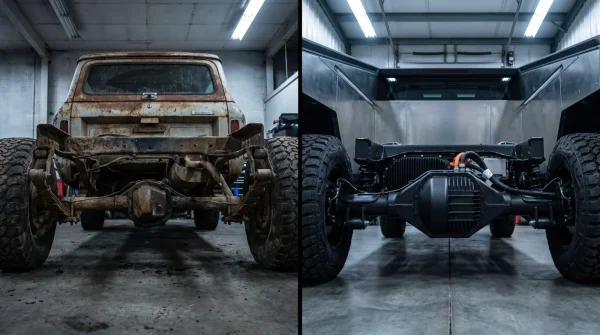
To understand why these vehicles behave so differently, imagine the difference between a hollow aluminum soda can and a solid steel I-beam. A unibody vehicle acts like that aluminum can, distributing stress across its entire outer skin to keep the cabin incredibly stiff and quiet during daily highway drives. It is a masterpiece of modern road manners, but it lacks a central backbone to shoulder concentrated vertical forces.
When you drop a heavy payload onto a body-on-frame truck, the thick steel rails underneath absorb the impact, leaving the body level. But when you load a unibody bed, every pound of sag twists the integrated frame, forcing the independent rear wheels to tilt inward. This characteristic squat is not just an aesthetic issue; it is a fundamental shift in steering geometry that traditional trucks simply avoid.
Marcus Vance, a forty-eight-year-old fleet supervisor in Toledo, Ohio, spent years managing a mixed fleet of delivery vehicles and light trucks. He noticed that while his team loved the quiet ride of their unibody utility vehicles, those units required wheel alignments three times as often as the leaf-sprung alternatives. Marcus discovered that even temporary heavy loads caused the rear wheels to bow outward, scrubbing the inner tread off the tires and accelerating wear on the rubber bushings.
- Toyota Tundra used inspections demand a strict physical check of the turbo wastegate linkage
- Engine oil viscosity mistakes silently destroy modern turbocharger bearings before two hundred thousand miles
- Tesla Model Y base models secretly house the exact suspension components of performance variants
- Tesla Model 3 delivery documents expose an artificial markup hiding within local destination fees
- Jeep Scrambler halo designs reveal a massive aerodynamic compromise capping highway towing stability
Payload Realities: How the Ridgeline Compares to Traditional Rivals
When you look closely at the midsize segment, the distinction between light utility and heavy hauling becomes incredibly sharp. For weekend projects, light camping gear, and groceries, the integrated trunk and smooth ride offer an unmatched ownership experience. But when you ask the chassis to perform like a traditional workhorse, the comparison with leaf-sprung rivals becomes stark.
Under a maximum load of concrete bags or towing a heavy trailer, the Ranger remains level because its multi-leaf springs and solid rear axle are designed to resist vertical deflection. The Ridgeline, struggling to balance passenger comfort with utility, squats low enough to alter your steering feel, making the front end feel light and disconnected on twisty roads.
Measuring Your Limits: A Practical Guide to Saving Your Suspension
If you own or are considering a unibody truck, you do not have to abandon your hauling projects; you simply need to approach payload as a delicate balancing act. Protecting your suspension requires a few deliberate, mindful habits every time you visit the home improvement store.
Here is how to load your bed without overstressing the integrated chassis:
- Load Forward: Place the heaviest items at the very front of the bed, closest to the cabin, to distribute the weight across both axles instead of crushing the rear coils.
- Measure the Squat: Use a tape measure from the top of the tire to the fender arch before and after loading; try to keep at least two inches of travel to prevent bottoming out.
- Dampen the Bounce: Drive slowly over speed bumps and bridge transitions when loaded, as sudden dynamic impacts double the effective weight on your rear shocks.
Your tactical toolkit for hauling should include a reliable tire pressure gauge to inflate the rear tires to their maximum cold pressure under load, a pair of heavy-duty tie-down straps to stop cargo from shifting backward, and a tongue-weight scale if you plan on hookups with heavy trailers.
The Value of Knowing Your Machine’s Boundaries
Ultimately, recognizing the physical boundaries of your vehicle does not diminish its value; it highlights its true purpose. The quiet cabin and car-like handling of a unibody truck make it a stellar companion for ninety percent of daily driving tasks. By understanding where the metal meets its physical limits, you can avoid costly repair bills and enjoy the highway comfort you bought the vehicle for in the first place.
A truck’s true capacity is not written on the door jamb sticker; it is defined by how the suspension behaves when you hit the first pothole under load. — Marcus Vance, Fleet Supervisor
| Key Point | Detail | Added Value for the Reader |
|---|---|---|
| Chassis Design | Unibody cab-and-bed integration vs. traditional separate frame | Explains why some trucks ride like cars but struggle with heavy structural loads. |
| Suspension Behavior | Independent rear coil springs vs. solid axle leaf springs | Helps you predict steering lightness and rear-end sag before you load the bed. |
| Tire Wear Protection | Negative camber under load vs. consistent vertical alignment | Saves money on premature tire replacements by revealing hidden suspension wear. |
Frequently Asked Questions
Does the Honda Ridgeline sag more than the Ford Ranger under load?
Yes, the independent coil spring setup on the Ridgeline is designed for highway comfort, which causes it to compress and sag more noticeably than the Ranger’s rigid leaf springs.
Can overloading a unibody truck cause permanent structural damage?
Yes, consistent overloading can permanently stress the unibody shell and suspension mounting points, leading to alignment issues that cannot be easily repaired.
How can I prevent my rear suspension from bottoming out?
Keep your cargo pushed toward the front of the bed and ensure you do not exceed the vehicle’s tongue weight rating when towing.
Are helper springs a safe fix for unibody suspension sag?
While aftermarket helpers exist, they can transfer unexpected stress to unibody mounting points that were not designed for high point-loads.
Why did Honda pause production recently?
While official announcements often cite supply chain adjustments, independent observers suggest that chassis and quality-control refinements are being integrated into the assembly process.