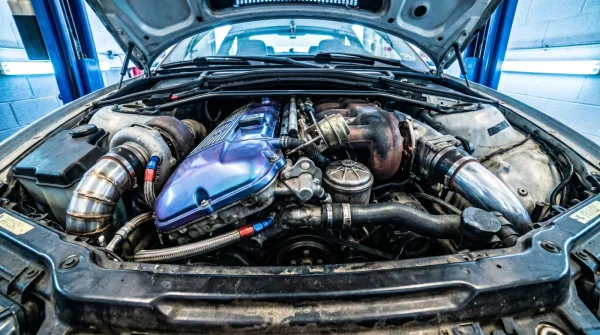
The quiet hiss of a cooling radiator is the only sound in the dimly lit garage. A faint scent of warm glycol and unburned hydrocarbons hangs in the air, a familiar perfume to anyone who has spent years coaxing performance from temperamental machinery. On the hoist sits the sleek outline of a modern hybrid, its hood propped open to reveal a compact, triangular housing that looks more like a high-end espresso machine than an internal combustion engine.
This is the return of the rotary, a mechanical heartbeat once thought dead, now resurrected to solve the modern anxiety of driving range. Yet, as the metal cools with a series of sharp, metallic ticks, a sobering truth becomes clear to those who look past the glossy brochures. The legendary spinning triangle is being asked to perform a task for which its very physical geometry makes it ill-suited.
In theory, using a rotary engine as a generator is brilliant. It is light, incredibly smooth, and fits into tight spaces where a traditional piston engine would gasp for room. But when you transition from the slow crawl of city streets to the unforgiving drag of a 75-mile-per-hour freeway, the physics of the Wankel design undergo a violent, unseen shift.
The Thermal Trap of the Constant Generator
To understand why this system struggles, imagine trying to blow out a candle while breathing through a wet pillow. A traditional piston engine benefits from a four-stroke cycle where the combustion chamber has time to breathe and cool down between power strokes. The rotary design denies its internal components this vital thermal pause, sweeping heat continuously across the exact same physical surfaces of the housing without rest.
At highway speeds, the electric drive motor demands a constant, unrelenting stream of kilowatts to overcome aerodynamic drag. The hybrid battery, quickly depleted of its initial charge, forces the tiny rotary engine to spin at a high, steady RPM to keep up. It is no longer cycling on and off; it is locked in a high-load panic state to feed the electric motor.
- General Motors platform architectures secretly ditch independent suspensions for cheaper rigid axles
- Tesla Model 3 suspension creaks reveal a hidden control arm fix mechanics ignore
- Engine oil mixing habits silently destroy hybrid combustion chambers and vehicle resale value
- General Motors truck longevity demands a hidden transmission thermal bypass valve
- New car buyers vanish as private wholesale auto brokers dominate pricing
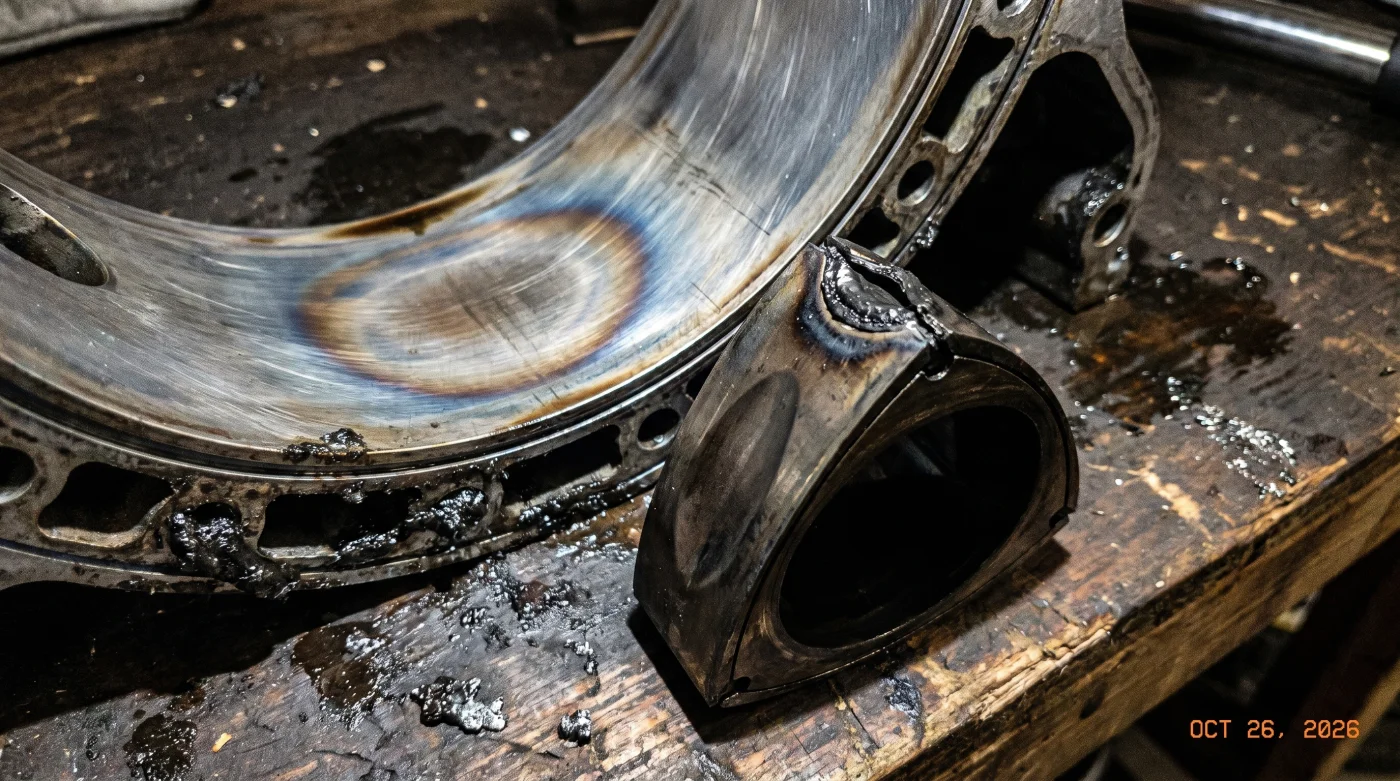
Julian Vance, 47, a thermal dynamics specialist who spent twelve years analyzing rotor wear for aerospace contractors in San Diego, points to this exact operational profile as a critical vulnerability. “A rotary is happiest when” its RPM is dynamic, Julian explains while gesturing to a worn apex seal on his workbench. “When you lock it at a high, continuous load to act as a pure generator, the apex seals cannot shed heat fast enough to the cooling jacket, leading to microscopic warping and eventual compression loss.”
Two Worlds: The Commuter vs. the Cruiser
The Urban Boundary: Where Efficiency Thrives
Within the city limits, the hybrid system operates exactly as intended. The engine cycles on and off in brief, polite whispers, rarely reaching the thermal thresholds that threaten its mechanical integrity. It is a masterclass in packaging, providing just enough juice to keep the battery happy without overtaxing the delicate seals that ride the edges of the rotor.
The Open Interstate: The Danger Zone
Once the speedometer climbs past 70 miles per hour, however, the equation breaks down. The wind becomes an invisible wall, requiring immense energy to pierce, and the small rotary engine must run hot and loud without a single moment of rest. This constant load profile creates localized hot spots around the exhaust port that the cooling system simply cannot neutralize, baking the lubrication oil right off the housing walls.
Operating the Rotary Hybrid with Intention
Driving a vehicle with this unique powertrain requires a shift in how you plan your trips. Instead of treating the car like a brainless appliance, you must manage its energy reserve to protect the delicate seals from prolonged thermal stress. By taking control of the battery’s state of charge, you can mitigate the harsh generator duty cycles.
- Charge early and often: Do not let the battery drop to zero before engaging highway speeds.
- Use the charge-holding mode: Force the engine to assist while the battery is still healthy, preventing the high-RPM emergency charging cycle.
- Limit continuous high-speed cruising: If possible, drop your speed from 75 to 68 miles per hour to drastically reduce the electrical load.
Our Tactical Thermal Toolkit below outlines the critical operating thresholds you need to keep in mind during long-distance travel to ensure your engine survives past the warranty period.
The Realities of the New Era
The return of the rotary is a beautiful nod to automotive heritage, but it is not a magic wand. Understanding the physical boundaries of the Wankel design allows you to enjoy its smooth characteristics without falling victim to its inherent thermal penalties. By adjusting your highway driving habits and treating the generator with mechanical sympathy, you protect your investment from premature wear.
“The rotary engine is a masterpiece of minimalism, but physics does not grade on a curve when you ask a small rotor to generate massive power for hours on end.” — Julian Vance, Thermal Dynamics Specialist
| Key Point | Detail | Added Value for the Reader |
|---|---|---|
| Thermal Peak | Apex seals reach critical temperatures at sustained 75 mph | Helps you plan highway speeds to protect engine life |
| Load Factor | Constant generator operation prevents cooling cycles | Explains why dynamic driving is safer than cruise control |
| Battery Reserve | Keeping charge above 30% reduces engine RPM demands | Provides an actionable strategy to prevent overheating |
Frequently Asked Questions
Why do rotary engines overheat more than piston engines? Because the combustion always occurs in the exact same part of the housing, preventing thermal distribution.
Does this mean the 2026 Mazda rotary hybrid is unreliable? Not for city commuters, but frequent long-distance drivers will see accelerated wear on the apex seals.
Can I use premium fuel to reduce this thermal penalty? High-octane fuel helps prevent pre-ignition, but it does not change the physical heat buildup of sustained generator use.
What is the best speed for highway efficiency and safety? Keeping your speed around 65 to 68 mph significantly reduces the load on the generator.
How will I know if my apex seals are starting to degrade? You will notice hard starting when the engine is hot, accompanied by a drop in overall generator efficiency.