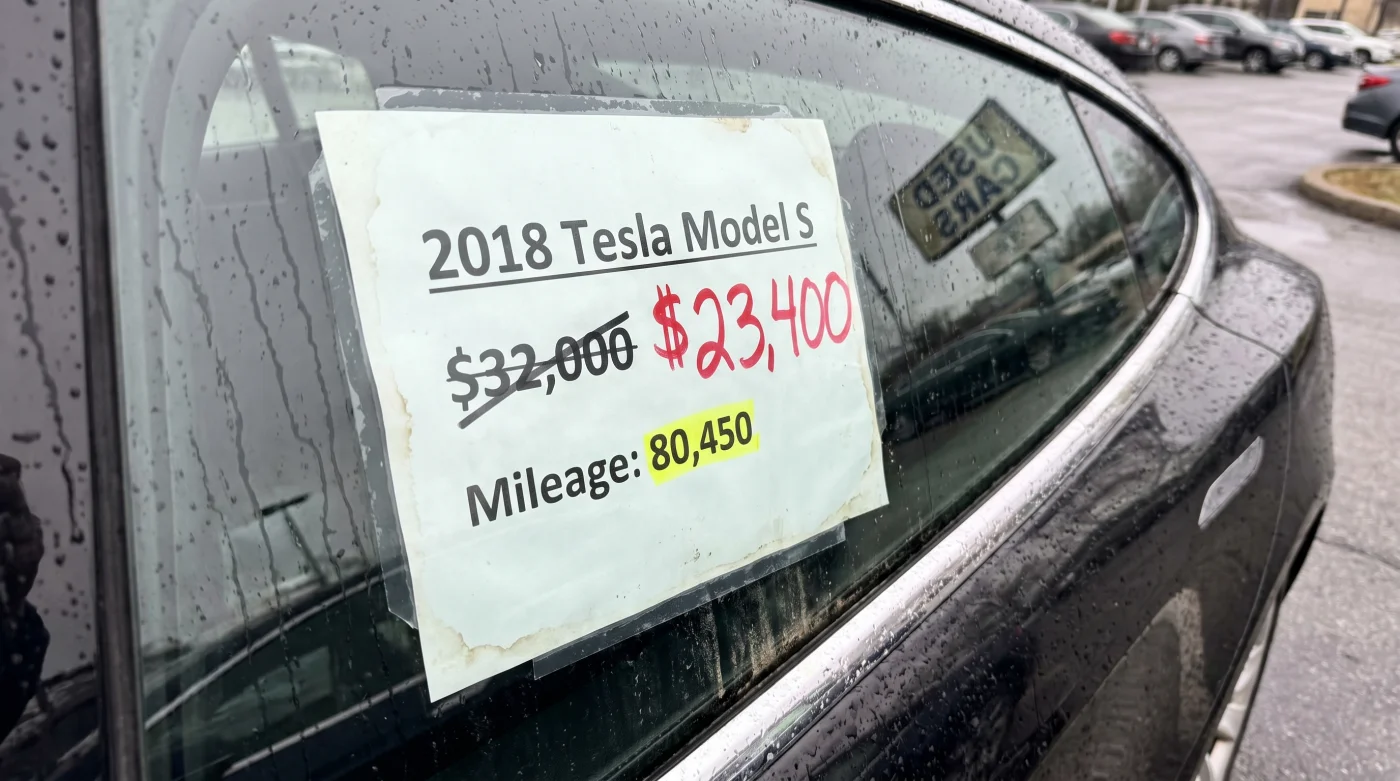
The sharp, ozone tang of a high-voltage charging bay smells different than an oil-slicked garage. It’s clean, almost clinical, like the air after a summer thunderstorm. You stand in the quiet chill of an early autumn morning, watching the digital dashboard of a midnight-silver Tesla Model S glow against the concrete wall. There is no rumble of an exhaust, only the faint, high-frequency hum of coolant pumps circulating fluid through a massive aluminum-cased floorboard.
Standard wisdom tells you that luxury cars are a vanity project, a guaranteed way to watch your hard-earned dollars evaporate into thin air. We are trained to believe that the three-letter German badges or the sleek silhouettes of modern electric vehicles carry a permanent premium, accessible only to those willing to write six-figure checks. You watch neighbors lease new models every three years, convinced that staying on the bleeding edge of technology is the only safe way to drive electric.
But if you step past the sleek showroom glass and look at the cold, hard numbers of the secondary market, a different story emerges. The depreciation curve of high-end electric sedans does not slope gently; it plunges like a stone in deep water. This sharp decline is not a sign of failure, but a massive structural loophole waiting for the patient buyer who knows how to read the patterns of institutional liquidations and off-lease inventory.
The 74,000-Mile Cliff and the Illusion of Risk
To understand this market correction, you must stop viewing a premium electric vehicle as a traditional mechanical asset. Think of it instead as a high-end smartphone on wheels. The market prices these vehicles using the same panicked logic people use when their mobile contract is about to expire. The fear is not that the device will stop working tomorrow, but that the battery might lose its capacity, leaving them stranded.
This psychological panic creates an artificial value cliff right around the seventy-four-thousand-mile mark. Buyers obsess over the impending expiration of Tesla’s eight-year battery and drive unit warranty on these older luxury platforms. As the odometer ticks toward that arbitrary threshold, retail buyers flee, and dealership trade-in algorithms automatically slash valuations by up to forty percent. Yet, real-world degradation data shows these battery packs do not simply expire; they settle into a long, stable plateau, breathing through a pillow of reserve capacity designed to protect the cells for decades.
- Chevy Silverado LT trims quietly hide exact premium suspension hardware dealerships actively overprice
- Toyota Tundra recall delays secretly destroy engine block integrity ruining truck resale value
- Ford stock surges as manufacturing lines secretly ditch expensive automated driving modules entirely
- California DMV network outage leaves thousands of used car buyers legally stranded overnight
- One million new car buyers vanish forcing local dealerships to secretly slash lot prices
Expert Context: The Wholesaler’s Playbook
Consider Marcus Vance, a forty-three-year-old forensic automotive appraiser in Atlanta who spent a decade valuing off-lease fleets for major lenders. He noticed that institutional portfolios treat the seventy-four-thousand-mile threshold as a toxic asset zone, aggressively dumping flawless Model S sedans into wholesale auctions just to clean their ledgers. “The algorithms are written by risk-averse bankers who do not understand lithium-ion chemistry,” Marcus explains, showing a spreadsheet of pristine Dual Motor units selling for less than the price of a base-model hatchback. “They price in a total battery replacement that almost never happens, hand-delivering a top-tier luxury machine to anyone who knows how to check cell health.”
The Discerning Commuter: Squeezing Value from the Long Range
For those who view their daily commute as a sanctuary rather than a chore, the non-performance Long Range variants offer the most cushioned entry point into this luxury discount. These models avoided the aggressive thermal cycles of Ludicrous mode launches, meaning their battery packs have experienced significantly less stress. Look for units built after the Raven suspension update, which brought an adaptive air ride system that glides over broken pavement like a yacht on calm water.
The Performance Purist: Spotting the Underpriced Ludicrous Badges
If you crave the neck-snapping acceleration that redefined the modern sport sedan, the Performance trims represent an astonishing value proposition. Because early adopters paid an eye-watering premium for these variants, their subsequent fall into the used market is even more dramatic. The key here is checking the suspension control arms and half-shafts, which bear the brunt of that instant torque; if these have been serviced, you are getting a supercar-slayer for a fraction of its original MSRP.
The Calculated Acquisition: A Step-by-Step Inspection Plan
Buying a depreciated luxury EV requires a deliberate, analytical approach rather than emotional shopping. You must look past the clean detail job and focus on the health of the high-voltage ecosystem. Follow this methodical sequence to verify the integrity of your potential purchase before signing any paperwork.
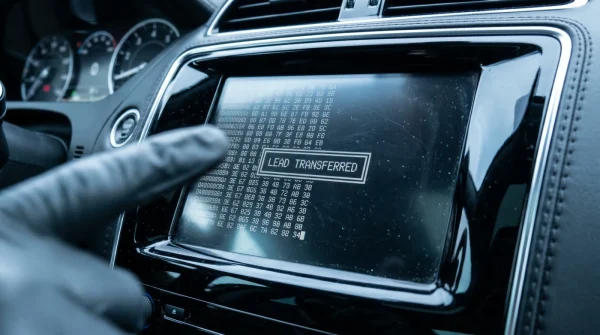
- Access the Service Menu: Hold the Model S badge on the center screen, type ‘service’ into the prompt, and navigate to the battery health test to view actual pack degradation.
- Inspect the Coolant Ports: Look behind the front lower grille for any signs of blue-green crystalline residue, which indicates a slow leak in the battery cooling loop.
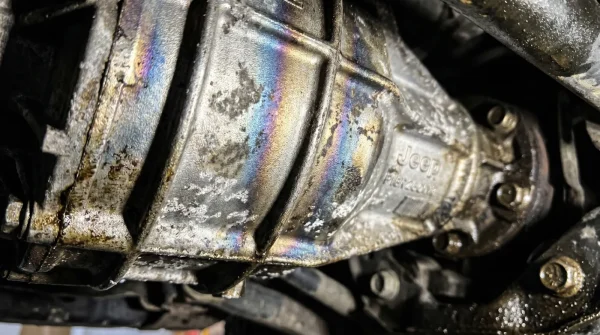
- Check the Half-Shaft Play: Accelerate moderately from a dead stop while turning slightly; a shuddering sensation signals worn front half-shafts, a common issue on high-torque models.
- Review Supercharging History: Use third-party apps to determine if the previous owner relied solely on DC fast chargers, which accelerates cell aging compared to home charging.
Tactical Toolkit:
- Target Mileage Range: 72,000 to 78,000 miles (The Sweet Spot).
- Acceptable Battery Degradation: Under 12% from original factory capacity.
- On-Board Diagnostic Tool: OBD2 Bluetooth dongle paired with the ScanMyTesla app.
Restoring Balance to Your Garage and Your Ledger
Ultimately, mastering the used electric market is about reclaiming control over the runaway cost of modern transportation. When you step into a vehicle that has already shed eighty percent of its original cost while retaining ninety percent of its functional capability, you are stepping out of the endless cycle of debt and depreciation. It is a quiet rebellion against the manufactured urgency of the new-car showroom, allowing you to enjoy world-class engineering with the peace of mind that only financial clarity can provide.
“The smartest buyer in the room is the one who understands that depreciation is a tax on impatience, not a reflection of mechanical decline.” — Marcus Vance, Forensic Automotive Appraiser.
| Key Point | Detail | Added Value for the Reader |
|---|---|---|
| The 74k Mileage Cliff | Market panic drops prices by 35-40% right before warranty expiration. | Save up to $40,000 on a premium chassis with plenty of life left. |
| Battery Cell Stability | Degradation plateaus after an initial 8% loss, remaining stable for years. | Decades of reliable driving without the need for an expensive replacement. |
| Raven Suspension | Active air damping introduced in mid-2019 models. | Superior ride quality and efficiency without buying aftermarket upgrades. |
How do I check the actual battery health of a used Tesla Model S?
Use the built-in Service Mode battery test or connect a ScanMyTesla OBD2 tool to read the nominal full pack capacity directly from the vehicle’s battery management system.
Is a high-mileage Model S safe to buy without a warranty?
Yes, provided the battery health test shows normal degradation and you have verified the drive units are free from coolant leaks or half-shaft wear.
What is the difference between older models and the Raven update?
The Raven update introduced a highly advanced adaptive air suspension and more efficient permanent magnet front motors, greatly improving comfort and range.
Will fast-charging frequently ruin the battery pack permanently?
While heavy Supercharging does accelerate early degradation, the battery management system actively throttles charging speeds to preserve the pack’s structural integrity over its lifetime.
Are air suspension repairs expensive on these older luxury sedans?
Air suspension components can be costly at dealerships, but a robust aftermarket of rebuilt struts and independent specialists has dramatically lowered repair costs.