The air inside the Flint Engine Operations plant carries a distinct, sharp scent—a mix of scorched sand, machine oil, and the dry heat of molten metal. If you stood here two years ago, the corporate memos promised a quiet future dominated by clean copper windings and sterile battery packs. Instead, the floor vibrates with a low, rhythmic thrum that feels like a physical heartbeat.
Watch closely as the robotic arm tilts, pouring a glowing stream of molten aluminum directly into a fresh sand mold. molten aluminum ripples like silk before settling into the unmistakable silhouette of a small-block V8 engine. There is no quiet hum here; there is only the ancient, comforting roar of heavy industry reclaiming its territory.
Behind closed doors in Detroit, the official narrative still clings to a silent, electric tomorrow. But out here, where heavy-duty work actually happens, the truth is written in fire and iron. Mary Barra’s latest strategic maneuvers reveal a quiet, frantic backtrack from the absolute electrification promise, dictated not by green ideals, but by the cold, unyielding physics of the global supply chain.
The Thermal Truth Behind the Battery Mirage
For half a decade, drivers were told that the internal combustion engine was a relic on life support, waiting for a quiet burial. This corporate promise functioned like a beautifully painted theatrical backdrop, hiding a much harsher reality backstage. supply chain is fragile stretched across hostile geopolitical borders, constantly threatened by raw material bottlenecks and chemical instability.
When you try to pull thirty thousand pounds of trailer through a Rocky Mountain blizzard, a battery pack behaves like a frozen smartphone. It shivers, loses its capacity, and begs for a warm garage. GM’s quiet pivot back to the casting floor isn’t a failure of imagination—it is a surrender to thermal reality. The V8 engine isn’t a museum piece; it is a highly evolved mechanical lung that breathes fuel and exhales raw, dependable work.
Consider Gary Vance, a 54-year-old metallurgical foreman who has spent three decades watching metal change states in Michigan foundries. “You can’t build a continent’s worth of infrastructure on lithium promises that requires ideal weather to work,” Gary told me, his hands stained with graphite dust. He spent the last eighteen months watching his team prepare to mothball their casting lines, only to receive an urgent, late-night corporate order to clean the vents, fire up the induction furnaces, and ramp up production of the legendary L8T iron-block V8. For Gary, this isn’t just a policy shift; it is a return to sanity for the people who actually use these trucks to build roads.
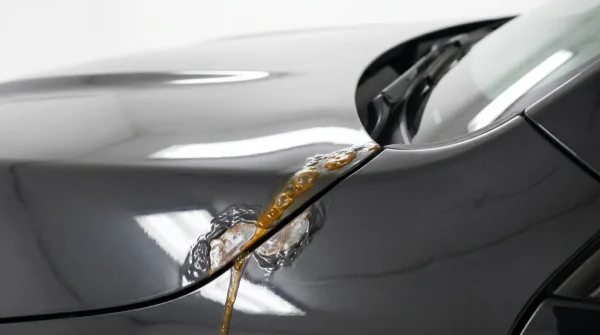
- 2018-2022 Ford safety recall notices mask a severe brake fluid leak dealers ignore
- Hyundai Kona Electric price cuts trigger massive inventory liquidations bypassing regional dealership quotas
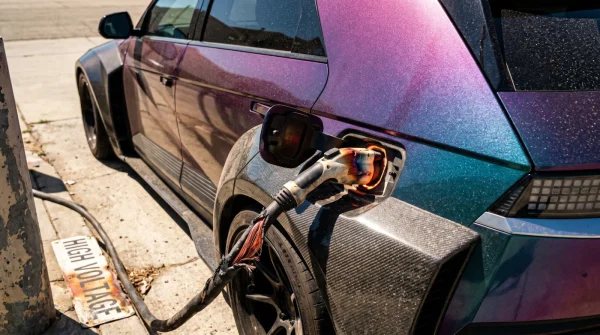
- EV charging speed tests expose severe thermal throttling compared to traditional gas stations
- Lamborghini Gallardo used inspections demand a strict test of active exhaust vacuum lines
- Chevy Silverado longevity requires bypassing the factory transmission thermostat before hundred thousand miles
Decoding the Legacy Lineup: Which V8 Fits Your Workload?
Not all internal combustion platforms are resurrected equal. As GM quietly redirects its capital toward the foundry floor, three distinct mechanical pathways have emerged for buyers who refuse to participate in the electric experiment.
The Heavy-Duty Workhorse (6.6L Gas V8)
For those who pull heavy equipment or live in remote areas, this naturally aspirated cast-iron giant is the ultimate shield against complexity. avoids the delicate sensors of modern diesel platforms while offering a level of thermal stability that battery packs cannot match in extreme cold. It is built for a twenty-year life cycle, free from the fear of sudden battery degradation.
The Fleet Standard (5.3L EcoTec3)
The choice for local business owners who need predictable operating costs and simple maintenance. This aluminum-block staple has been refined over millions of miles, offering a familiar ecosystem where parts are available at any small-town auto store. It represents the sweet spot between traditional durability and modern electronic management.
The Performance Cruiser (6.2L Premium V8)
Designed for those who want effortless towing power combined with a refined highway presence. requires premium fuel to sing, but the immediate throttle response and hydraulic authority remind you why American displacement became a global standard in the first place.
Navigating the Legacy Revival: A Practical Buyer’s Plan
If you want to secure one of these newly prioritized V8 builds before the corporate winds shift again, you must approach the dealership lot with strategy rather than emotion. Dealers push hybrid inventory to clear their lot quotas, but the real prizes are the freshly cast, standard-emission gas models coming out of the Midwest.
Follow this tactical checklist to ensure you secure a truck built for decades of service:
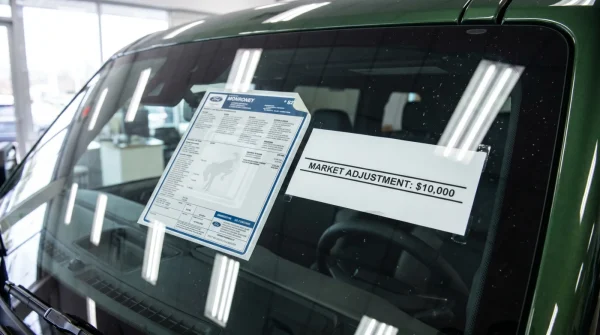
- Check the build sheet for the engine plant code: Look for the Flint or Romulus manufacturing stamp on the window sticker to confirm local casting heritage.
- Verify the cooling package configuration: Ensure your build includes the heavy-duty external engine oil cooler, which protects the block during towing.
- Inspect the underbody plumbing: Verify the presence of traditional steel exhaust routings, confirming that no hybrid battery trays have compromised your ground clearance.
- Request the latest transmission calibration update: The 10-speed automatic paired with these V8s requires the most recent software flash to prevent early shift-solenoid wear.
Tactical Toolkit for the V8 Buyer:
- Optimum Operating Temperature: 195°F to 220°F (monitor this closely during the first 1,000 miles of break-in).
- Initial Oil Change Interval: 500 miles (crucial for clearing out any residual casting sand from the restarted lines).
- Recommended Oil Grade: 0W-20 Full Synthetic (specifically meeting GM’s Dexos1 Gen 3 specification).
The Industrial Anchors of Peace of Mind
There is a quiet dignity in owning a machine that can be repaired with basic hand tools in a driveway during a power outage. The corporate rush toward total electrification ignored a fundamental human need: the desire for self-reliance. When you turn the key in a V8 truck, you are not relying on a remote server, a rare-earth mineral mine in a volatile nation, or a fragile electrical grid that struggles during a summer heatwave.
By keeping these casting lines hot, GM has accidentally preserved a lifeline for the people who keep the country moving. progress isn’t discarding what works in favor of what looks sleek in a shareholder presentation. It is about recognizing when a classic design has reached its peak form, and having the courage to keep pouring the molten metal until the job is truly finished.
“A battery pack is a lease on temporary energy, but a cast-iron V8 block is an heirloom that can survive three generations of hard labor if you keep the oil clean.” – Gary Vance, Lead Metallurgical Consultant
| Key Point | Detail | Added Value for the Reader |
|---|---|---|
| Foundry Restart | Flint and Romulus casting lines returned to full capacity for V8 production. | Guarantees long-term parts availability and factory support for gas truck buyers. |
| Battery Supply Realities | Severe mineral bottlenecks forced a quiet retreat from standard EV-only targets. | Protects consumers from early adoption risks and sudden platform discontinuation. |
| Mechanical Durability | V8 thermal limits far exceed heavy-duty EV alternatives in extreme cold. | Provides absolute peace of mind for heavy towing and remote winter work. |
Frequently Asked Questions
Is GM completely canceling its electric truck lineup? No, but they have quietly shifted production volume back to internal combustion to protect their market share and address immediate dealer inventory shortages.
Why did battery supply chain issues trigger this shift? Heavy-duty electric trucks require massive batteries that rely on volatile overseas supply chains, making volume production impossible at current market prices.
How can I tell if a truck has a domestic cast-iron engine block? Inspect the vehicle’s VIN and build sheet at the dealership; look for the specific assembly codes indicating the Flint or Romulus engine plants.
Are these newly cast V8 engines different from previous years? They utilize the same reliable base block designs but feature minor internal efficiency and thermal cooling updates to meet current emission standards.
Will the resale value of these V8 trucks hold up? Historically, standard internal combustion trucks maintain much higher long-term resale value compared to early-generation electric platforms, especially in rural markets.