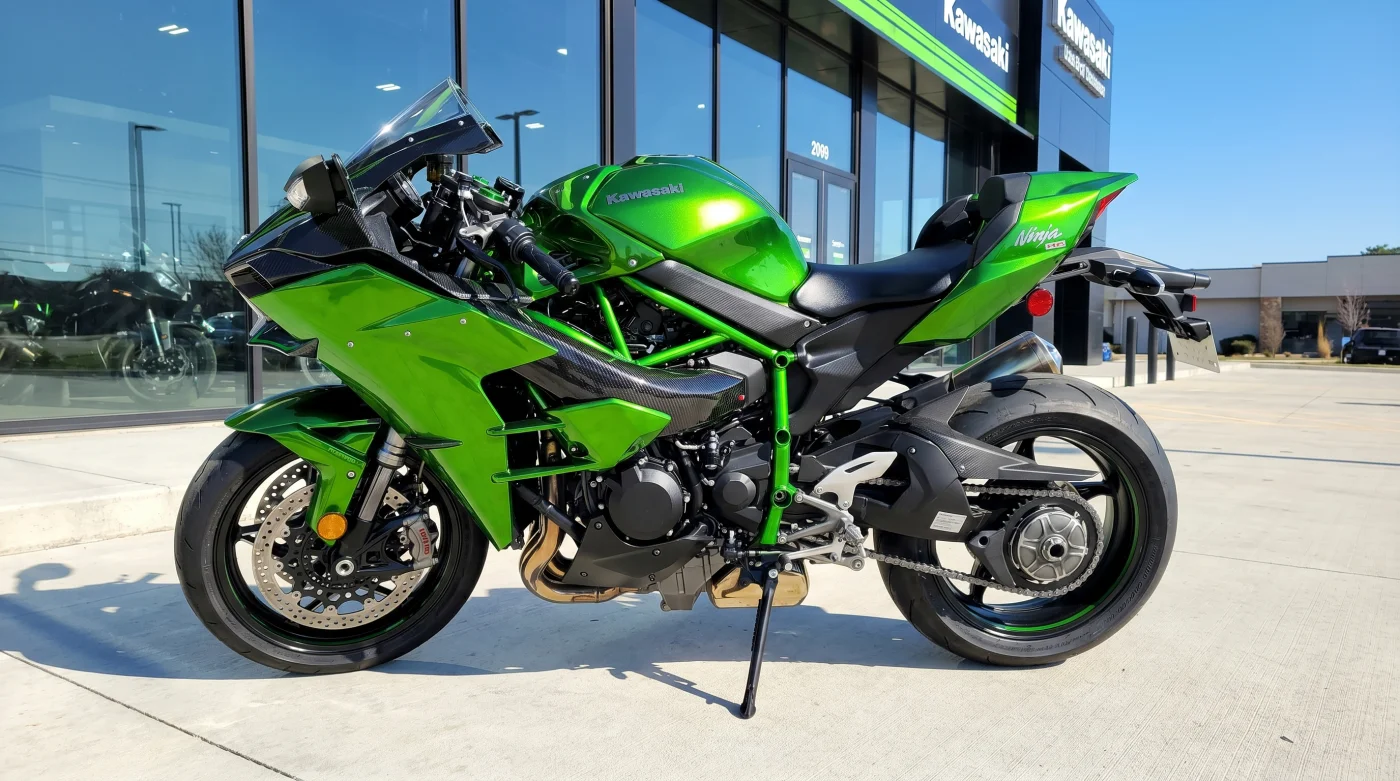
The air inside the showroom carries a faint, sharp scent of new rubber and chain wax. Underneath the cold ceiling fixtures, a bright lime-green painted tubular steel trellis frame reflects the harsh dealership fluorescent lights like a beacon. You run your fingers along the smooth, powder-coated steel, feeling the raw mechanical density of a machine built to compress air and fuel into pure, terrifying speed. It feels permanent, solid, and strangely finite.
Outside, the digital world is buzzing with footage from a racecourse in Japan, where a blue-and-white prototype hums past the grandstands with a clean, water-vapor hiss. Kawasaki has just demonstrated its first hydrogen-fueled internal combustion motorcycle, proving that the future of two wheels does not have to be silent or battery-powered. But instead of comforting the purists, this glimpse of tomorrow has triggered a sudden, frantic run on the heavy artillery of today.
Riders who once hesitated are suddenly showing up at dealerships with signed titles and wire transfers in hand. The realization has set in that while clean combustion might survive on experimental hydrogen fuel, the era of raw, gasoline-fed superchargers is rapidly racing toward its final lap. It is a quiet stampede, driven by the fear that these mechanical monsters will soon exist only behind museum glass.
The Irony of Innovation: Why Clean Tech Sparks Legacy Panic
When engineers solve a complex future problem, they often inadvertently highlight the fragility of the present. Kawasaki’s hydrogen breakthrough is a marvel of engineering, keeping the soul of the piston-driven engine alive by burning gasified hydrogen. Yet, this leap forward has acted as an unexpected siren song for the brand’s most aggressive legacy technology. The transition to alternative fuels means the highly specialized tooling, manufacturing lines, and fuel systems required for the supercharged Ninja H2 series are living on borrowed time.
Think of it as the incandescent bulb’s final, brilliant flash. The mechanical complexity of a supercharger requires tight tolerances and high-grade alloys that become economically unviable when a manufacturer pivots its main research budget toward clean energy. For the true riding purist, a hydrogen tank can never match the visceral, heavy thump of premium high-octane gasoline surging through a centrifugal impeller at 130,000 RPM. By showing how close the clean future actually is, Kawasaki accidentally made their loudest gasoline models instantly collectible.
- Mary Barra mandates trigger a sudden market shift heavily favoring heavy duty combustion
- Lamborghini hybrid V8 allocations vanish overnight as collectors panic buy remaining combustion models
- Multifuel engine platforms easily survive decades by bypassing modern high pressure fuel injectors
- Corvette Stingray transmission cooling routes completely fail when compared to Porsche rear mounts
- Tesla Model Y suspension mechanics degrade aggressively before hitting the 40,000 mile mark
A View from the Service Bay
Marcus Vance, a forty-eight-year-old master technician and shop foreman in Columbus, Ohio, has watched this shift unfold from the grease-stained concrete of his service bay. “We had a pristine, low-mileage 2019 Ninja H2 sitting on our showroom floor for nearly three months,” Marcus recalls, wiping his hands on a blue shop rag. “The morning after the video of the hydrogen prototype dropped online, my phone started ringing before we even opened the doors. By noon, three different buyers were competing for it. One guy drove six hours in a downpour with an open trailer just to make sure he secured the bike before anyone else could.”
The Supercharged Segments: Where the Demand is Concentrated
The sudden scramble for supercharged inventory has not hit every model in the same way. Buyers are dividing themselves into distinct camps based on how they plan to preserve or experience this high-octane twilight era.
The Collector-Preservationist (The Ninja H2 and H2 Carbon)
This group is targeting the flagship, track-focused road variants. These bikes feature carbon-fiber fairings, mirror-coated paint, and the highest state of engine tune available with a license plate. Buyers in this segment are looking for absolute mechanical purity, often parking these machines in climate-controlled garages as working pieces of industrial art. Pristine, unmodified original paint is the gold standard here, as the self-healing clear coat is notoriously difficult to replicate once scratched.
The Long-Distance Predator (The Ninja H2 SX SE)
For the rider who wants to feel the supercharger’s relentless pull on open asphalt rather than keep it behind velvet ropes, the sport-touring SX variant is the prize. Featuring hard luggage, electronic suspension, and a slightly more relaxed riding position, these models are being snapped up by riders who want to experience continent-crossing speed before emissions regulations restrict long-distance gasoline travel entirely. This crowd values documented service history over zero-mile museum status.
The Legacy Checklist: Securing an H2 Safely
Navigating an inventory panic requires a cool head. When dealerships realize that stock is dwindling and buyers are desperate, markups and questionable trade-ins become common. To protect your investment, you must approach the purchase with a cold, analytical eye rather than emotional urgency.
- Verify the Supercharger Impeller: Remove the intake duct and inspect the aluminum impeller blades for any signs of pitting, foreign object damage, or excessive play. A damaged impeller can destroy an engine instantly.
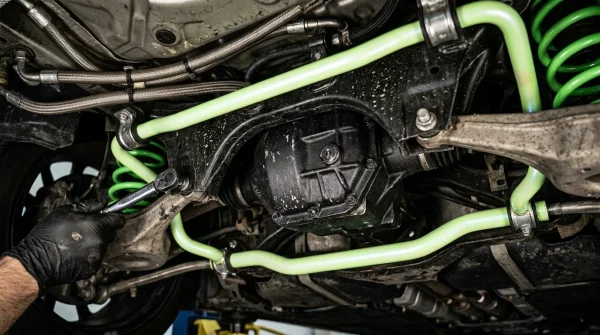
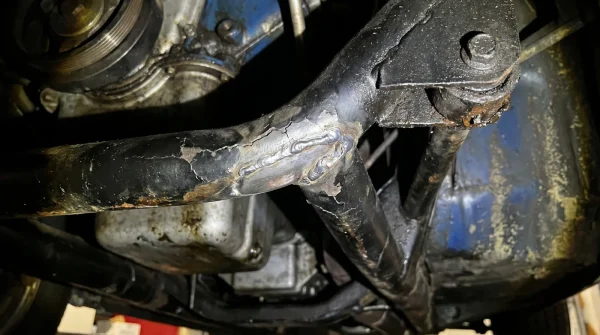
- Check the Frame Weld Integrity: Inspect the bright lime-green trellis frame junctions near the headstock and swingarm pivot. Look for any hairline fractures in the paint that suggest track abuse or hard landings.
- Analyze the ECU Flash History: Ask for a diagnostic readout to see if the engine control unit has been reflashed. While tuning is common, aggressive aftermarket maps can severely shorten the lifespan of the supercharger’s planetary gear drive.
- Confirm Campaign Completion: Ensure all factory recalls, particularly those involving the throttle bodies and oil relief valves on early models, have been completed by an authorized dealer.
| Model Variant | Primary Appeal | Value Factor for Buyers |
|---|---|---|
| Ninja H2 Carbon | Exclusivity, carbon upper cowl, limited production numbers. | Highest long-term investment potential and appreciation. |
| Ninja H2 SX SE | Real-world usability, adaptive suspension, touring comfort. | The ultimate high-speed road machine that can actually be ridden daily. |
| Ninja H2R (Track Only) | Unrestricted 310 horsepower, carbon winglets, open exhaust. | The absolute peak of gasoline engineering, free from street regulations. |
The Value of Mechanical Drama
In the end, this sudden rush to buy is not about rejecting the future; it is about honoring the peak of a specific mechanical philosophy. Hydrogen and electric powertrains will undoubtedly become faster, cleaner, and more efficient than anything we ride today. They will offer instant torque and seamless power delivery that makes the traditional engine look like a relic of the steam age.
But efficiency is not why we ride. We ride for the slight vibration in the handlebars, the chirp of the supercharger bypass valve under deceleration, and the raw heat radiating from a hand-built engine. Preserving these mechanical masterpieces is a way of holding onto a time when speed was loud, complicated, and beautifully imperfect. Securing one now ensures you have a front-row seat to the greatest show gasoline ever put on.
“We are not running away from the clean future; we are simply making sure we do not forget how we got there.”
Frequently Asked Questions
Is the Kawasaki hydrogen motorcycle currently available for purchase?
No, the hydrogen motorcycle is currently a development prototype used to demonstrate the viability of clean internal combustion technology, with no official consumer release date announced.Why did the hydrogen prototype launch trigger a run on gasoline H2 models?
The public demonstration of viable zero-emission combustion engines signaled to riders that the manufacturer’s focus is shifting away from traditional high-performance gasoline platforms, prompting collectors to buy up the remaining stock.Are used Ninja H2 prices rising because of this trend?
Yes, dealership inventories are shrinking, and clean, unmodified, low-mileage examples of the supercharged series are seeing a notable uptick in secondary market value.Does the supercharged engine require specialized maintenance compared to standard superbikes?
Yes, the supercharger system requires precise oil quality monitoring, specific spark plug heat ranges, and regular inspection of the planetary drive system to ensure long-term reliability.Can the hydrogen prototype run on standard gasoline?
No, the prototype is specifically engineered with high-pressure gas injection systems designed to run exclusively on compressed hydrogen fuel.