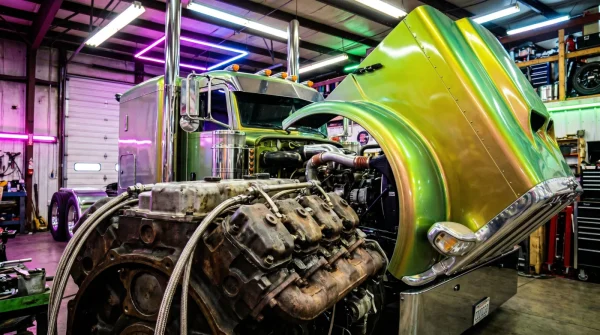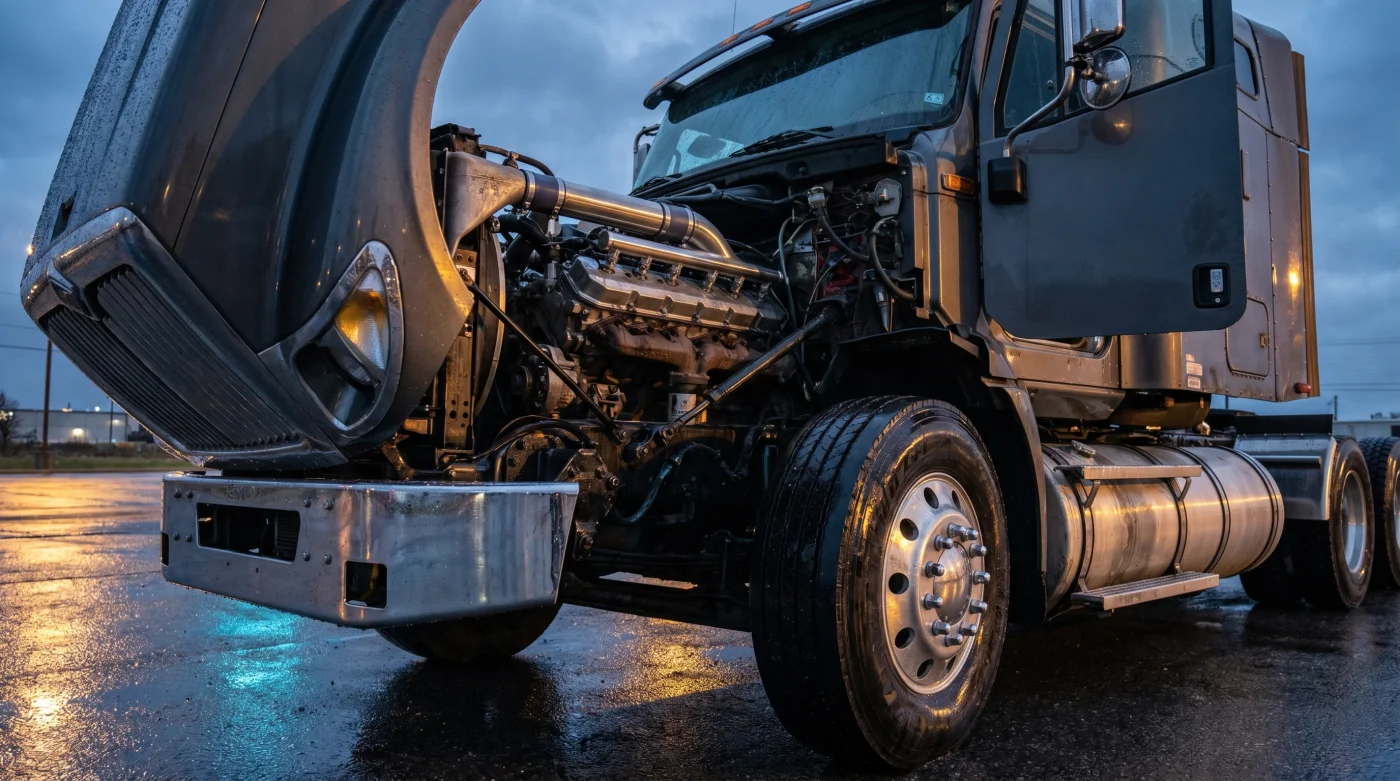
The air inside the Indiana assembly bay smells of cold, high-grade solvent, stale coffee, and the metallic tang of unburned alcohol. Outside, the morning freeze has turned the gravel parking lot into a sheet of gray glass, but inside, a different kind of pressure is building. Engineers in grease-smudged flannel shirts stand around a test stand, watching a digital monitor flicker with combustion pressure waves that look like erratic heartbeats.
At the center of the frame sits the physical defiance of modern automotive dogma: a massive stainless steel dual-injection fuel rail bolted tightly to a dirty cast iron cylinder head. The glistening silver against grease-blackened iron stands as proof that the piston engine is not ready for the scrapyard. This is the birthplace of the multifuel pivot, a quiet rebellion against the premature funeral of the internal combustion engine.
For half a decade, the narrative seemed set in stone. Every factory line, every state mandate, and every corporate board report pointed toward an all-battery future. Yet, as grid anxieties rise and the raw economics of heavy-haul logistics collide with battery weight limits, the ground is shifting beneath our feet. Industry planners are quietly admitting that electricity alone cannot carry the heavy burdens of modern commerce.
The Dual-Fuel Bridge: Escaping the Single-Source Monopoly
To understand this shift, you must discard the idea that engines are loyal to a single liquid. Believing that a truck can only run on petroleum diesel is like assuming an oven can only bake bread. The modern internal combustion platform is actually a thermal processor, capable of extracting energy from almost any volatile liquid if the delivery mechanism is precise enough. The current pivot to multifuel configurations is a physical reaction to the single-source electricity myth that dominated early-decade planning.
By utilizing dual-injection systems that can seamlessly blend hydrogen, ethanol, renewable diesel, and e-methanol, heavy-duty machinery avoids the weight penalty of seven-ton battery packs. When a truck must carry thirty tons of freight across a mountain pass in a blizzard, waiting three hours for a megawatt charger isn’t just an inconvenience; it is a systemic failure. The multifuel system allows the engine to breathe whatever clean molecule is closest at hand, shifting its diet on the fly without dropping torque.
- Corvette Stingray allocation shortages force immediate dealership markups across the country
- Acura RDX differential fluid intervals drastically reduce long term all-wheel drive repairs
- Ford F150 PowerBoost hybrid transmission completely outclasses the Tundra i-Force Max
- Rivian R1S quad-motor destroys factory tire compounds completely before twenty thousand miles
- 2026 Toyota Tacoma hybrid suspension brutally sacrifices off-road articulation for payload
This adaptability acts as a kinetic insurance policy. If regional green hydrogen supplies dry up, the system pivots back to biodiesel or synthetic gasoline. It is a pragmatist’s response to an idealistic infrastructure plan that has yet to materialize on our highways, ensuring that uninterrupted regional logistics networks remain active regardless of grid stability.
The View from the Assembly Floor
Marcus Vance, a fifty-two-year-old powertrain transition specialist with thirty years of diesel service under his belt, watches the high-pressure fuel lines pulse on his test rig. He has spent the last eighteen months retrofitting fleet engines that were scheduled for the scrap heap under looming zero-emission deadlines. “We aren’t throwing away eighty billion dollars of iron just because someone decided batteries were the only answer,” Vance says, tapping his knuckles against the heavy cast-iron block. “By adding a second, high-pressure common rail that delivers green fuels directly to the cylinder before the main injection event, we are getting near-zero net emissions out of the blocks we already own. It is fast, it is cheap, and it keeps our trucks moving.”
For the Regional Freight Operator
The long-haul trucking sector operates on razor-thin margins where every pound of cargo capacity translates directly to survival. For these operations, retrofitting heavy diesel engines with dual-fuel rails allows them to run on local ethanol blends or liquefied biogas when near major metropolitan hubs, then switch back to conventional fuels on remote interstate stretches. This dual-fuel capability keeps operations profitable while lowering municipal carbon footprints inside dense urban delivery zones.
For Municipal and Utility Fleets
City-owned vehicles, from waste haulers to heavy utility crane trucks, cannot afford downtime during power grid failures or natural disasters. Municipalities are discovering that retrofitting their existing diesel assets with dual-injection systems allows them to run on locally captured landfill methane or waste biodiesel. This strategy provides a bulletproof backup system while avoiding a complete, multi-million-dollar rebuild of depot charging systems.
Implementing the Multifuel Retrofit: A Mindful Technical Guide
Converting a heavy-duty platform to run on diverse fuel streams is not a matter of simply dumping alternative liquids into a standard tank. It requires a precise, physical modification of the fuel delivery and management systems to handle differing fuel densities and ignition characteristics. Taking a careful, methodical approach to these conversions is the best way of preventing micro-particulate system clogs before they reach the high-pressure common rail.
- Inspect and replace all soft fuel lines with stainless steel or specialized fluoroelastomer hoses to prevent degradation from high-corrosion alternative fuels.
- Install a secondary high-pressure fuel rail capable of managing pressures up to thirty-five thousand pounds per square inch for direct alternative fuel delivery.
- Calibrate the engine control unit with dual-mapping software that uses real-time exhaust oxygen sensors to adjust injection timing on the fly.
- Add a multi-stage heated filtration unit to the primary fuel line to ensure high-viscosity biofuels flow smoothly during winter cold starts.
By taking these steps, fleet operators can safeguard their machinery from premature obsolescence. The focus shifts from replacing the entire drivetrain to refining the combustion event itself, ensuring that your machinery remains both legal and highly productive in a rapidly changing regulatory landscape.
As these modified engines roar to life in factories across the country, they offer a reassuring truth: the machines that built our world do not need to be destroyed to be saved. With a few pieces of high-strength steel and a smarter computer, our legacy iron can continue to carry the load, burning clean fuel and keeping our communities moving forward. This is how we build a truly resilient transportation future without losing our heritage or our financial footing.
“True sustainability isn’t about abandoning our most reliable machines; it is about teaching them to speak a different fuel language.” — Marcus Vance, Powertrain Specialist
| Key Point | Detail | Added Value for the Reader |
|---|---|---|
| Fuel Flexibility | Instantly switches between biodiesel, e-methanol, and hydrogen. | Ensures continuous operation during regional fuel supply shortages. |
| Weight Conservation | Retains light combustion setup instead of multi-ton battery packs. | Preserves maximum cargo capacity for higher shipping revenue. |
| Retrofit Feasibility | Applies a secondary fuel rail to existing heavy-duty engine blocks. | Saves thousands of dollars compared to buying new electric fleets. |
Frequently Asked Questions
What is a multifuel combustion engine? It is an engine designed or retrofitted with dual-injection systems to run on multiple fuel types, such as renewable diesel, ethanol, and hydrogen, without sacrificing torque.
Can existing diesel trucks be converted to multifuel? Yes, by installing secondary high-pressure fuel rails, upgrading fuel line materials, and recalibrating the engine control unit to handle different fuel densities.
Why are manufacturers moving away from strict electrification? High battery weight, limited charging infrastructure, and grid instability make pure electric trucks impractical for long-distance heavy-duty hauling.
Do multifuel engines require special fuel tanks? Usually, yes. They often utilize dual-tank setups with specialized coatings to prevent corrosion from alternative fuels like methanol or ethanol.
Are multifuel engines considered environmentally friendly? When running on low-carbon alternative fuels like green hydrogen or biogas, they emit near-zero net greenhouse gases while utilizing existing manufacturing investments.