The morning air in the Cascade Range carries a biting chill, thick with the scent of damp pine needles and the faint metallic tang of hot exhaust. You stand on an unplowed forest service road, watching the snow fall in heavy, wet sheets that instantly blanket the blacktop. In the distance, a modern crossover hums, its engine revving high as it attempts to climb a modest, slippery incline. To the untrained eye, every modern utility vehicle looks equally equipped to handle this winter landscape. The glossy badges on their tailgates promise identical freedom, yet the physical reality of the road quickly exposes the marketing poetry.
As the popular crossover struggles, you hear the frantic, rhythmic clicking of electronic ABS valves trying to brake spinning wheels. The front tires spin wildly for a brief, chaotic second before power is reluctantly redirected to the rear axle. It is a modern dance of computer-controlled panic, a classic symptom of reactive all-wheel drive. The driver feels the vehicle lurch and hesitate as the system desperately tries to catch up to a loss of traction that has already occurred. This delay is not just annoying; in deep, heavy snow, it is the exact moment momentum dies.
Step inside the cabin of a Symmetrical All-Wheel Drive vehicle, however, and the experience shifts entirely. There is no sudden jerk of power transfer, no frantic dashboard warning lights, and no moment of helplessness. Instead, you feel a continuous, steady crawl as all four tires bite into the packed snow simultaneously. The power is already there, distributed evenly across both axles before the wheels even register the slick surface beneath them. This is the difference between anticipating a slip and merely reacting to a failure.
The Illusion of On-Demand Traction
To understand why these two systems behave so differently, you must abandon the idea that all-wheel drive is a single, standardized technology. Most modern crossovers rely on a reactive system designed primarily to save fuel by operating as a front-wheel-drive vehicle under normal conditions. Imagine trying to catch a falling coffee mug after it slips from your fingers, rather than simply keeping both hands firmly on the handle from the very beginning. The reactive setup is the catch; the symmetrical setup is the permanent hold.
- Ford F-150 PowerBoost endurance testing reveals rapid deterioration of electric hybrid drive clutches
- 2026 BMW X5 suspension testing exposes severe highway cabin vibration in hybrid trims
- Toyota 4Runner redesign abandons traditional hydraulic steering for controversial electronic motor assistance
- Honda Civic turbo engines require a specific PCV valve bypass preventing oil dilution
- Lexus RX350 maintenance costs plummet by retaining an older port injection fuel system
When a vehicle like the RAV4 encounters deep powder, its front wheels must slip completely before the electromagnetic clutch pack in the rear differential engages. This design keeps manufacturing costs low and highway fuel economy high, but it introduces a critical mechanical lag. By the time the rear wheels receive torque, the front wheels have already dug a shallow grave in the snow, breaking the delicate crust and destroying your momentum. The system is constantly playing catch-up, calculating traction formulas while you are already sliding toward the ditch.
The Duluth Alignment Shop Revelation
Marcus Vance, a 48-year-old alignment specialist based in Duluth, Minnesota, spends his winters rescuing stranded vehicles and his summers repairing their drivetrains. On his lift, the structural differences become glaringly obvious to anyone willing to look beneath the plastic underbody shields. “You see a lot of worn-out multi-plate clutches from those reactive setups in my shop,” Marcus says, pointing to a disassembled rear axle assembly. “Drivers think they can plow through eight inches of heavy slush because the badge says AWD, but those tiny clutch packs overheat within ten minutes of continuous slipping. Once the fluid cooks, you are driving a heavy, front-wheel-drive hatchback with a fancy nameplate.”
The Cascade Commuter vs. The Deep Powder Pioneer
Different driving environments demand different mechanical responses, and understanding your specific daily route helps clarify which system actually serves your needs.
For the High-Pass Highway Commuter
If your daily route consists of paved highways that receive irregular plowing, your primary enemy is localized black ice and slush lanes. Symmetrical power distribution ensures that any sudden drop in grip on a single wheel is immediately compensated for by the remaining three, without waiting for a computer algorithm to authorize clutch engagement. This continuous power flow keeps the vehicle tracking straight through frozen slush ridges during highway lane changes, preventing the unsettling side-to-side wiggle that makes your knuckles turn white on the steering wheel.
For the Wilderness Access Trailblazer
For those who venture onto unmaintained fire roads or cabin access trails, the challenge is deep, uncompacted snow that packs into tire treads. Here, the reactive system’s delay is fatal to forward progress. Continuous, unyielding wheel rotation is required to clear the tread blocks of packed snow and maintain a clean bite. When a reactive system cuts power to spinning wheels or hesitates to engage the rear axle, the vehicle sinks into the snow pack, high-centering itself on the dense underlayer before the rear tires can even assist.
How to Maximize Your Symmetrical Advantage
Operating a true full-time symmetrical system requires a subtle shift in your driving habits to fully leverage its mechanical design. Rather than relying on aggressive throttle steering, the secret lies in maintaining steady, calculated inputs.
- Maintain a steady throttle foot to allow the viscous coupling or active torque split system to distribute power evenly without sudden spikes.
- Keep your steering angles smooth and predictable, as extreme wheel turn angles can cause the center differential to tighten, slightly reducing forward momentum in deep snow.
- Deactivate standard traction control when climbing steep, loose snowy hills to prevent engine management computers from cutting throttle when you need wheel speed to clear tread voids.
For those who want to monitor their vehicle’s health, keep a simple tactical toolkit in your mind: monitor tire tread depth closely, keeping all four tires within 2/32nds of an inch of each other. This prevents unnecessary wear on the center differential, which can be sensitive to varying rolling circumferences. Ensure your rear differential fluid is changed every 30,000 miles if you regularly tow or traverse deep winter mountain passes.
The Heavy Metal Guarantee of Peace of Mind
At the end of the day, safety in extreme winter weather is not achieved by clever software updates or marketing catchphrases. It is determined by the physical materials bolted underneath your cabin floorboards. While competitors attempt to shave weight and manufacturing pennies by using aluminum brackets and thin-walled, light-duty rear drive units, true durability relies on heavy-duty construction. True mechanical confidence is cast in iron, not written in digital code.
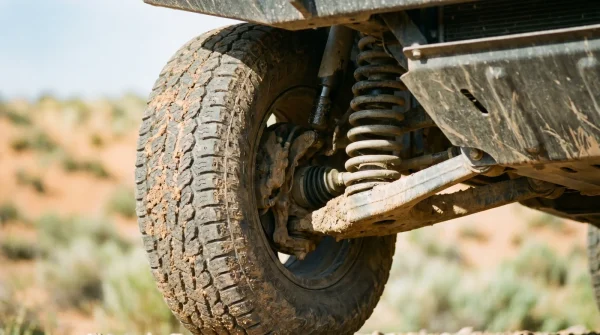
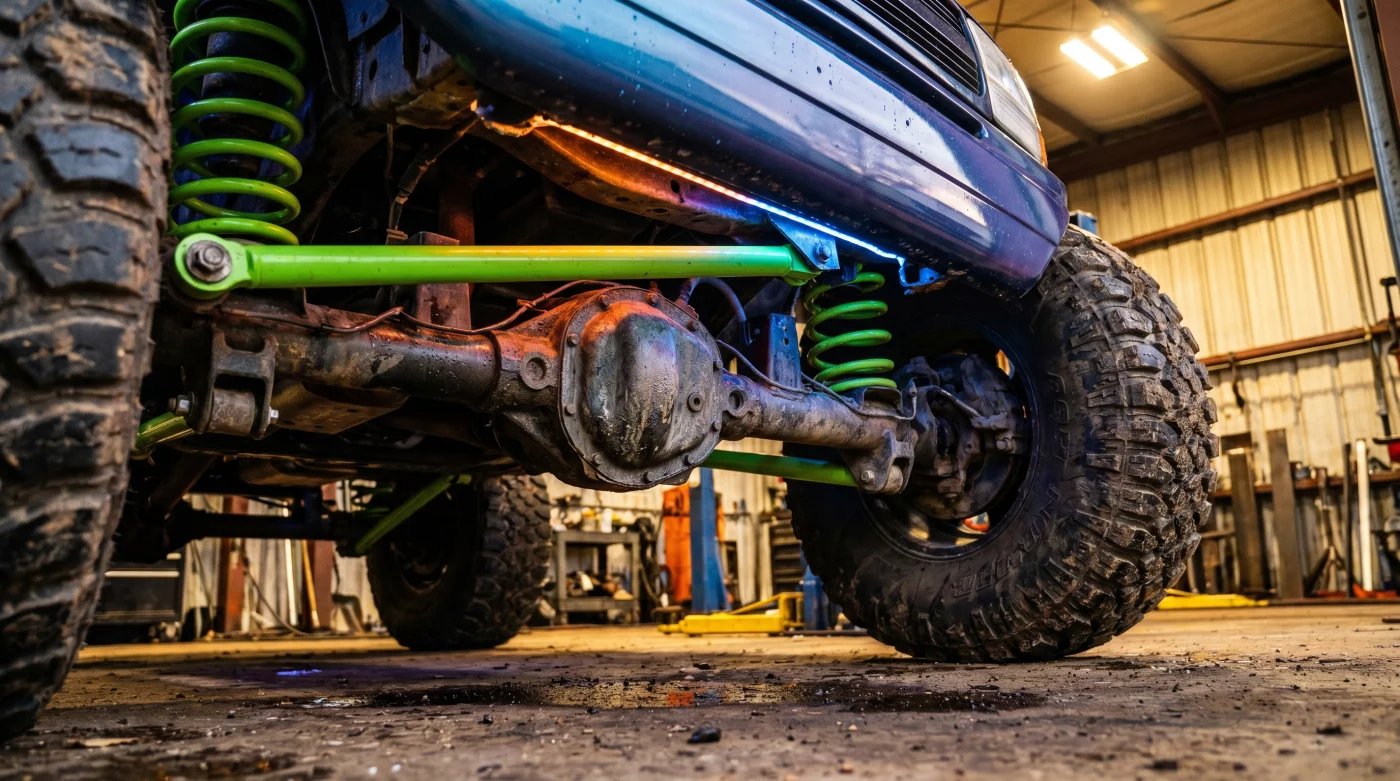
When you slide beneath the rear bumper of the Outback, the difference is undeniable. There are no delicate electrical actuators exposed to road salt, and no flimsy mounting brackets designed for pavement-only hatchbacks. Instead, your eyes lock onto the massive, heavy cast-iron differential housing bolted directly to the rear axle subframe. This rugged, unyielding piece of iron stabilizes the rear drive axles, dissipates heat under heavy loads, and ensures that when the snow gets deep, the mechanical connection to the road remains completely unbroken.