The smell of hot coolant mixing with wet clay on an autumn evening is a scent no off-road enthusiast ever wants to encounter. In a dimly lit workshop in Oregon, the silence is broken only by the rhythmic drip of muddy water hitting the concrete floor. The owner of a brand-new, heritage-inspired 250-series Toyota Land Cruiser stands by, hands buried deep in his pockets, assuming his truck had simply swallowed a minor splash during a routine creek crossing on his way to the campsite.
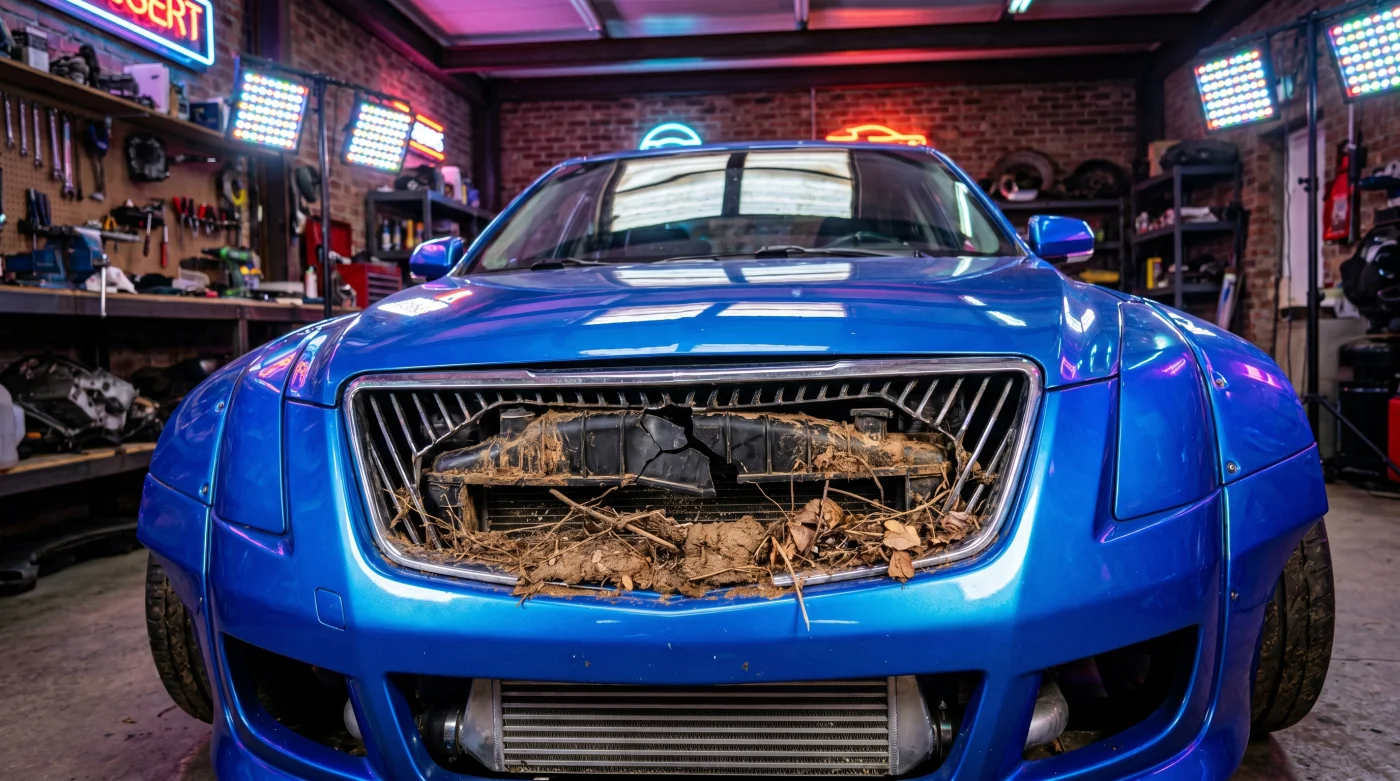
Under the high-intensity shop lights, the retro-toughness begins to fall away. As you peer behind the beautiful circular headlights and the blocky heritage front fascia, the true culprit is revealed. What lies exposed is a cracked black plastic radiator housing packed tight with dried mud and river debris, holding the heavy cooling stack in a state of structural compromise.
For decades, off-road enthusiasts assumed that a return to classic, boxy dimensions would naturally mean a return to rugged, field-serviceable utility. The upright posture of the new Land Cruiser looks like it could punch through a forest without flinching. However, the realities of modern safety mandates, fuel economy standards, and turbocharger cooling loops mean that beneath that nostalgic sheet metal lies a delicate, highly consolidated puzzle of plastic brackets and low-slung components.
Nostalgic Forms and the Compromised Core
Modern automotive design is a delicate game of packaging compromises, much like trying to fit a professional kitchen into a vintage airstream trailer. While the exterior of the 250-series pays beautiful homage to the legendary FJ62, the structural architecture behind the grille tells a very different story. The flat, upright face of the heritage front end severely limits the physical space available for the cooling system, forcing engineers to use a highly consolidated, modular plastic mounting bracket to hold multiple heat exchangers in a single, tight sandwich.
Because the classic blocky design blocks off direct airflow at the top of the grille to manage aerodynamics, the system is forced to draw its coldest air from the very bottom of the front bumper. This packaging layout forces the turbocharger’s intercooler into a vulnerable, low-slung position. Instead of breathing cool air from a protected, high-mounted intake, the engine is left breathing through a wet pillow whenever the trail turns muddy or wet.
Marcus Vance, a forty-six-year-old independent Toyota specialist in Bend, Oregon, has spent his life working on classic 80-series Cruisers. When he first disassembled the front clip of a 250-series, he noticed how fragile the plastic support ears were. “They designed this truck to win hearts on social media, but they designed the cooling bracket to survive a wind tunnel rather than a rocky river crossing,” Marcus notes, pointing to a hairline fracture along the lower mounting tab where a stray branch had made contact.
- Honda CR-V transmission stuttering demands a simple magnetic solenoid cleaning protocol
- BMW X3 owners silently destroy resale value by ignoring sunroof rail lubrication
- Toyota 4Runner longevity demands a specific transmission fluid transfer case flush
- Costco Auto Program contracts strictly prohibit dealerships from pushing mandatory accessories
- Mazda CX-5 used inspections require checking this exact steering rack weld
Decoding the 250-Series Cooling Stack: Tailoring Your Trail Strategy
Understanding how this modular assembly behaves under real-world conditions is the key to preventing an expensive recovery bill. The way you approach obstacles must change based on how you plan to use this modern classic.
For the Overland Explorer:
The driver who loads up the roof rack for multi-day excursions needs to pay close attention to the lower bumper openings. Because the intercooler sits at the absolute bottom of the cooling stack, it acts as a low-slung scoop for trail debris. Investing in a thick aluminum skid plate that extends high enough to cover the lower plastic fascia is a smart first step to protect these fragile components from rocks and low branches.
For the Weekend Mud-Plunger:
If you enjoy navigating swampy trails and deep ruts, the modular bracket is your primary area of concern. When cold water suddenly hits a hot, mud-packed plastic bracket, the material experiences thermal shock and physical stress from the added weight of the debris. Simply avoiding high-speed water entries will prevent the hydraulic force of the water from pushing the entire radiator assembly backward into the engine fan.
Preserving the Retro Icon: A Practical Protection Plan
Managing this hidden vulnerability does not require modifying your vehicle beyond recognition. It simply requires a mindful approach to trail preparation and post-drive maintenance. By treating the front fascia as a delicate mechanical interface rather than an armored shield, you can preserve the truck’s integrity for years to come.
To keep the modular cooling stack clean, you must always clear the lower mesh with a low-pressure garden hose immediately after leaving a muddy trail, ensuring that clay does not dry into a rock-hard barrier around the plastic brackets.
Use these steps to keep your radiator mounting bracket intact during off-road excursions:
- Inspect the lower bumper air dam after every trail run for signs of stress whitening or hairline cracks on the black plastic mounting ears.
- Install a fine-mesh protective screen behind the heritage grille to catch flying gravel before it can puncture the low-slung intercooler fins.
- Monitor your engine coolant and transmission fluid temperatures using a basic OBD-II scanner during long, steep mountain ascents.
Our recommended toolkit for the trail includes a few simple items to keep things secure:
- A soft-bristled nylon brush to gently clear debris from the delicate aluminum cooling fins without bending them.
- A standard 10mm deep-well socket to easily remove the lower splash shields for a thorough cleaning.
- Several heavy-duty, UV-resistant zip ties to temporarily secure any cracked plastic brackets if you make contact with an obstacle on the trail.
The Balance of Form and Function
There is a unique joy in driving a vehicle that pays tribute to the rugged, utilitarian shapes of our past. The boxy lines of the new Land Cruiser bring a sense of adventure to every drive, recalling a time when mechanical simplicity was the ultimate luxury. Yet, the reality of modern engineering means we must remain active partners to our machinery, learning to read the subtle compromises hidden beneath the beautiful design.
By understanding that the retro styling masks a delicate and complex modular radiator bracket, you can navigate the wilderness with confidence. You do not need to avoid the trails; you simply need to tread mindfully, understanding where the artistry ends and the physical limits of the machine begin.
“The modern Land Cruiser is a triumph of nostalgic design, but its survival in the wild depends entirely on how well you protect its highly sensitive, low-mounted cooling system.” — Marcus Vance, Toyota Specialist
| Key Point | Detail | Added Value for the Reader |
|---|---|---|
| Modular Bracket Material | Lightweight composite plastic holding three coolers. | Helps you understand why gentle cleaning is preferred over high-pressure washing. |
| Intercooler Placement | Positioned low in the front fascia to maximize cold airflow. | Highlights the urgent need for a high-quality aftermarket skid plate. |
| Debris Accumulation | Mud and twigs collect in the lower radiator housing. | Prevents chronic engine overheating during long highway drives home. |
Frequently Asked Questions
Does the retro styling actually hurt the truck’s cooling capacity?
No, the cooling capacity is highly efficient under normal driving conditions, but the low-slung layout of the components makes them more vulnerable to physical damage on rough trails.Can I replace the plastic modular bracket with an aluminum version?
Currently, there are no aftermarket metal brackets available due to the complexity of the integrated mounting points for the radiator, condenser, and intercooler.How can I tell if my radiator bracket is cracked?
Look for visible sagging in the lower bumper area, listen for unusual vibrations at idle, or inspect the plastic tabs near the frame rails for white stress marks.Will adding a skid plate block necessary airflow to the engine?
High-quality skid plates are designed with carefully placed louvers that protect the cooling stack from debris while maintaining proper airflow to the intercooler.Is this issue covered under Toyota’s factory warranty?
Physical damage caused by off-road obstacles, deep water crossings, or mud accumulation is typically excluded from factory warranty coverage.