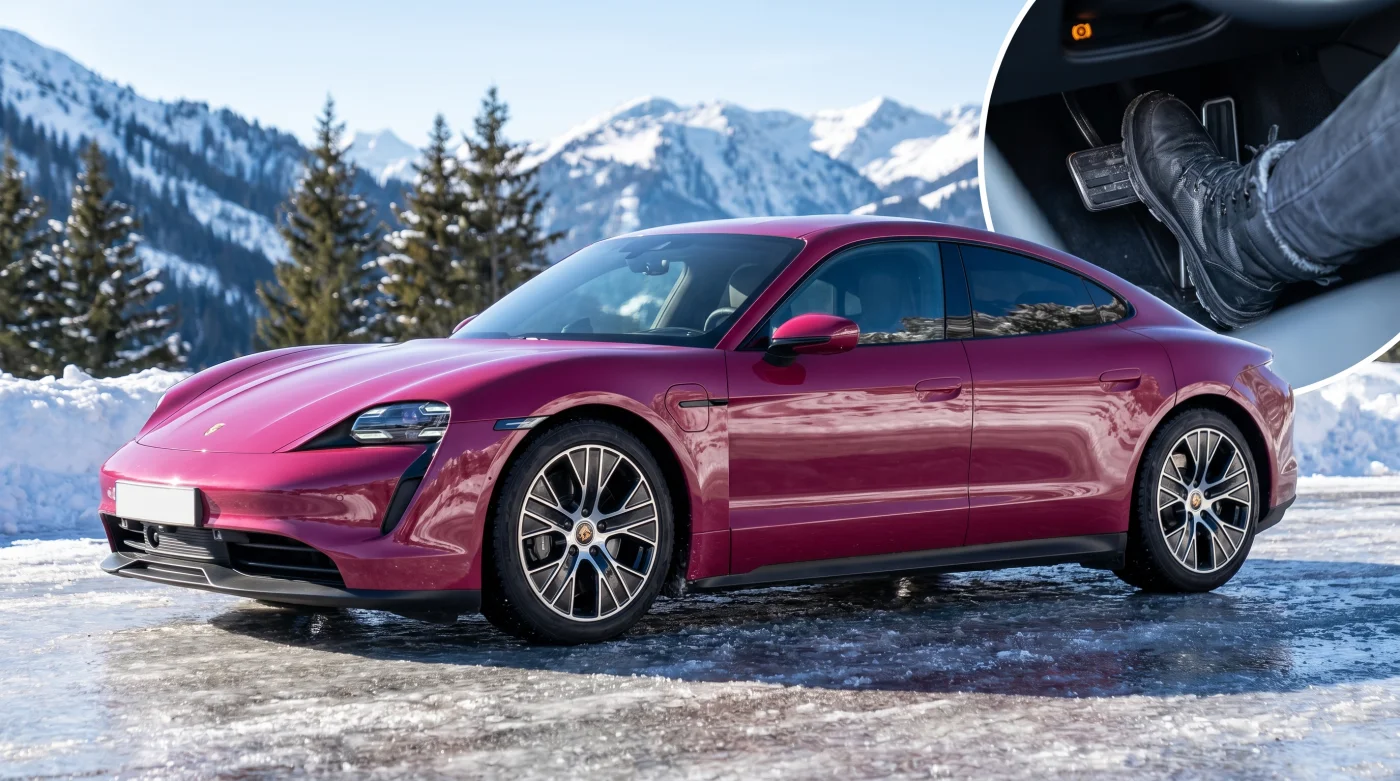
The morning air at nine thousand feet smells of frozen spruce and raw ozone. Inside the cockpit of the six-figure electric sedan, the cabin is a silent sanctuary of double-paned glass and warm leather. The digital dash displays a reassuring battery status, and the dual motors hum with the promise of relentless traction.
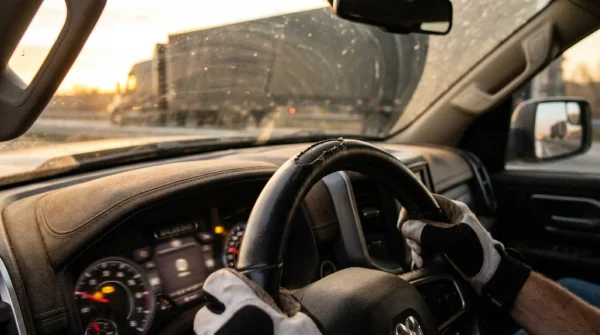
But as the road transitions from salted highway to a shaded sheet of mountain ice, the illusion of total control begins to crack. The cold steering wheel bites back through your gloves as the front tires search for purchase. You lift your foot from the accelerator, expecting the familiar, heavy anchor of regenerative braking to slow your momentum. Instead, there is a hollow moment of coasting.
Under normal conditions, the car uses its massive electric motors to harvest energy and slow down without touching the brake pads. It is a smooth, predictable system that makes winter driving feel almost effortless. But when the temperature drops below zero, the delicate chemistry of the battery pack changes, forcing the vehicle’s computer to make a difficult decision.
Rather than absorbing the sudden spike of electrical current from a heavy deceleration, the system protects itself. The whisper of dry snow against the wheel wells becomes the only sound as the car continues to slide forward, momentarily ignoring your command to slow down.
The Cold Equation of Battery Chemistry over Grip
Modern electric vehicles are marvels of software engineering, but they cannot rewrite the laws of thermodynamics. When a lithium-ion battery is extremely cold, its internal resistance skyrockets, making it dangerous to dump massive amounts of energy back into the cells quickly. To prevent permanent damage to the cell anodes, the vehicle’s management software limits regenerative braking.
This safety protocol is designed to save the battery, but it creates a dangerous disconnect for the driver. By choosing to protect its own power source, the car prioritizes chemical self-preservation over immediate, mechanical deceleration. The driver expects the car to slow down the moment they lift off the pedal, but the system delays, passing the responsibility of stopping back to the physical brake pads.
- Kia Telluride seatbelt recall triggers massive service delays at nationwide dealerships
- 2027 Ram Rumble Bee debut sparks massive dealership waitlists across America
- Multifuel engine adoption forces sudden commercial fleet shifts away from traditional diesel
- Rivian R2 reservations completely wipe out initial production runs overnight
- Lexus V8 engines bypass expensive timing service using indestructible double row chains
Marcus Vance, a fifty-two-year-old precision driving instructor based near Vail, Colorado, has watched dozens of drivers struggle with this transition. He notes that the sudden handoff from motor-based braking to hydraulic braking can catch even seasoned drivers off guard on mountain passes. "The software is trying to protect a thirty-thousand-dollar battery pack," Vance says, "but in doing so, it temporarily robs the driver of the intuitive feedback they need on low-grip surfaces."
Two Paths on the Ice: Segmentation
For the daily driver navigating local slush, the issue appears as a minor inconsistency in pedal feel. The car might feel slightly heavier or take a fraction of a second longer to respond when coming to a halt at a stoplight. This subtle loss of kinetic resistance can be managed by adjusting your following distance and slowing down long before the intersection.
For the high-altitude enthusiast pushing through steep descents, the software lag is a far more serious hazard. On a steep mountain grade, a split-second delay in braking response can push the car wide into an oncoming lane or toward the edge of a snowbank. Here, the transition between electric regeneration and mechanical braking must be managed with absolute deliberate action.
Drivers navigating these extreme conditions must adapt to a different way of slowing down. Instead of relying on the car’s automatic systems to modulate speed, you must take active control by relying on mechanical friction early and often, forcing the brake calipers to warm up the rotors and clear away ice.
Restoring Control on Frozen Asphalt
Navigating this system disconnect requires a shift in how you prepare your vehicle for winter travel. You cannot rely on the car’s default drive modes to keep you safe when temperatures plunge into the single digits.
Before setting out into winter weather, take a few deliberate steps to prepare the vehicle’s thermal and mechanical systems. The following steps should be performed before tackling any mountain pass:
- Pre-condition the cabin and battery while connected to a home charger for at least forty-five minutes before departure.
- Disable aggressive recuperation settings in the vehicle menu to ensure consistent pedal feel from the moment you start driving.
- Keep tire pressures adjusted to winter specifications to maintain the largest possible contact patch on cold asphalt.
- Warm the physical brake pads with a few gentle, manual stops on a dry stretch of road to clear road salt and ice buildup.
By taking these steps, you ensure that the physical brakes are ready to take over the moment the software decides to protect the battery. The goal is to eliminate the element of surprise, ensuring that every input receives a predictable, immediate response from the chassis.
The Unforgiving Edge of Performance
In the end, driving a high-performance electric vehicle in winter is a reminder that technology is always making trade-offs behind the scenes. When the road turns treacherous, the thin layer of digital assistance can slip away, leaving you with the raw mechanics of weight and traction. As you descend the final pass, you realize that the true safety device is not a line of code, but your own physical connection to the road. The moment metal meets frozen gravel, you are left with the sudden, alarming sensation of a stiffened brake pedal shuddering violently against your leather boot as the physical pads try to bite into the cold steel rotors.
"On ice, software is a secondary defense; the physical friction between rubber and frozen asphalt remains the absolute law of motion." — Marcus Vance, Ice Driving Specialist
| Key Point | Detail | Added Value for the Reader |
|---|---|---|
| Regenerative Limits | Cold temperatures restrict energy flow back to the battery pack. | Explains why the vehicle feels like it is coasting on ice. |
| Friction Transition | Hydraulic brakes must work harder to compensate for lost motor drag. | Allows drivers to anticipate physical pedal resistance. |
| Thermal Prep | Pre-conditioning while plugged in warms cells before driving. | Restores normal braking response from the first mile. |
Frequently Asked Questions
Why does cold weather affect regenerative braking? Cold temperatures increase the internal resistance of lithium-ion cells, making them unable to safely accept fast electrical currents from deceleration without risk of permanent damage.
Can I turn off regenerative braking in my Taycan? Yes, you can manually disable the automatic recuperation setting in the center console menu to ensure the car relies primarily on traditional mechanical brakes in icy conditions.
Does pre-conditioning the battery solve this issue completely? Pre-conditioning helps bring the battery to an optimal temperature, which allows for normal regenerative braking, but sustained freezing air during mountain descents can still trigger safety limitations.
Are winter tires enough to offset this braking lag? While winter tires greatly improve grip, they cannot eliminate the physical delay caused by the software transition between regenerative and hydraulic braking.
How do I know if my regenerative braking is limited? Look at the power meter on your digital instrument cluster; a dashed line or restricted bar on the charge side indicates that recuperation is currently limited by the vehicle system.