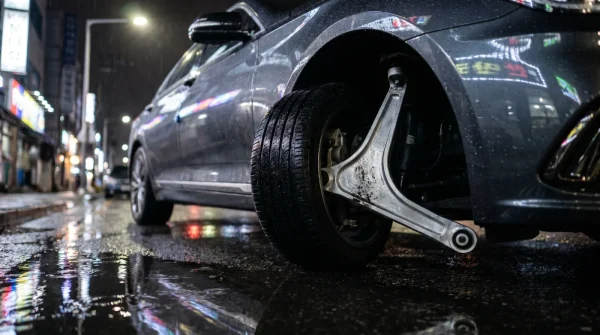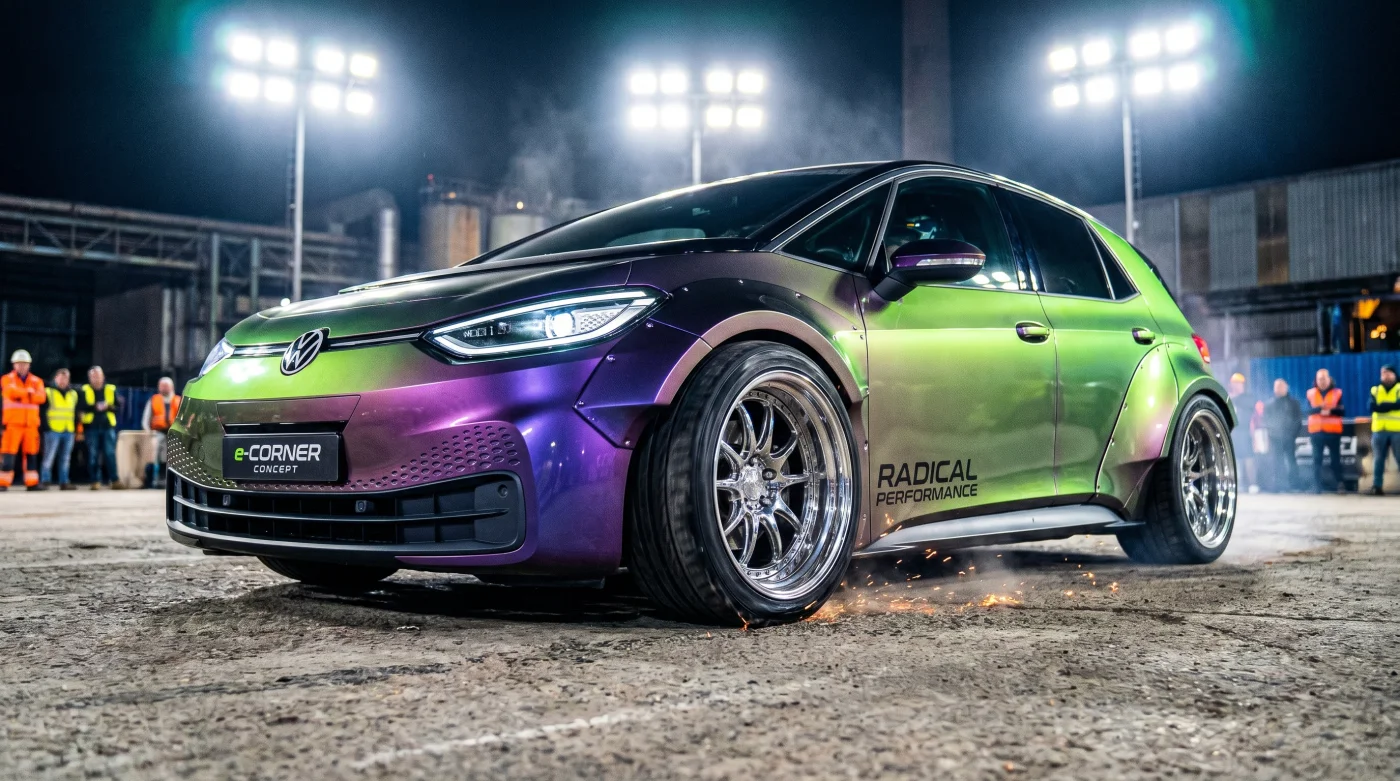
The cool morning air hangs heavy over the abandoned concrete lot, carrying the faint, sharp scent of ozone. Nearby, a high-voltage electric prototype hums with a quiet, digital vibration, its four wheels turning slowly on their axes. At a sudden command from the controller, the assemblies pivot a full ninety degrees, pointing outward like the feet of a mechanical crab. The vehicle begins to move sideways, a smooth glide that looks like science fiction brought to life.
But as the three-ton machine slides across the pavement, the illusion of effortless magic shatters. Instead of a silent drift, a low, visceral groan of tortured polymer fills the air. **Dealers sell the dream** of stress-free city parking, but the physical interface where rubber meets the road is screaming under a load it was never built to endure.
We have been conditioned to believe that software can bypass physical limitations, that an electric motor tucked inside a wheel hub solves the old packaging problems of steering shafts and drive axles. Yet, as the vehicle moves perpendicular to its chassis, a brutal mechanical tax is levied against the tire carcass. The tire does not roll; it plows, fighting the very pavement it is meant to grip.
The Brutal Physics of the Sideway Scrub
To understand the strain of the lateral crab walk, we must look at how pneumatic tires are constructed. They are highly directional structures, built with steel belts and nylon plies designed to flex front-to-back as they roll, and side-to-side during high-speed cornering. **Like dragging an eraser sideways** across a rough wooden desk, forcing a stationary tire to slide perpendicular to its tread pattern creates a massive torsional pivot point at the contact patch.
Under the immense weight of an EV battery pack, the inner tread blocks of the tire do not simply glide; they are pinned to the pavement while the wheel rim pushes against them from behind. This creates an intense shear force that literally tries to peel the tread away from the casing. The tire carcass is forced to bend at a sharp, unnatural angle, transferring all the lateral energy directly into the delicate inner bead.
Marcus Vance, a 48-year-old **tire compound forensics engineer** based in Akron, Ohio, spends his days analyzing rubber failures under extreme conditions. "When we inspected the casing after fifty crab-walk cycles on dry concrete, the internal structures told a worrying story," Marcus explains. "We saw micro-fractures along the inner apex and bead filler, a wear pattern typically seen only when a driver runs a tire completely flat at high speed."
- 2027 Silverado SS rendering leaks reveal a drastic aerodynamic chassis drop sacrificing payload capacity
- NACS adapter overheating risks expose a massive structural flaw in legacy charging port wiring
- Tesla Full Self-Driving cameras physically blind themselves interpreting specific cracked asphalt shadow patterns
- Section 179 EV deduction loopholes allow massive commercial write-offs for heavy electric SUVs
- Chevrolet Blazer EV perfectly mirrors the luxury Cadillac Lyriq suspension geometry for thousands less
Anatomy of the Tear: How Different Setups Fail
The severity of this physical toll depends heavily on the wheel and tire combination selected for the vehicle. Not all rubber compounds or sidewall profiles handle these unnatural lateral forces the same way, creating distinct zones of mechanical wear.
**The Low-Profile Sport Spec** suffers the most immediate and visible trauma. With minimal rubber sidewall to absorb the lateral shear, the force is transferred directly to the bead seat of the wheel rim. This pinches the thin tire casing against the metal flange, risking internal cord tears and creating weak spots that can later balloon into dangerous bubbles under highway loads.
Conversely, a high-sidewall utility tire offers more flexibility, but this introduces a different structural issue. The excessive sidewall flex allows the tire to roll under the rim, grinding the delicate decorative shoulder and lettering directly against the coarse concrete, wearing away the protective outer layer of rubber down to the structural cords in a matter of weeks.
Preserving Your Rubber in a Lateral World
If you find yourself operating a modern vehicle equipped with an active in-wheel motor steering system, understanding the pavement is your primary defense against rapid tire degradation. It is about working with the physical limits of the material rather than forcing the software to override them.
**Mindful usage is your shield** when deploying these advanced steering maneuvers in daily driving. Mitigating the extreme forces on your tire sidewalls requires small, deliberate adjustments to your driving habits:
- Avoid deploying lateral maneuvers on dry, highly abrasive surfaces like freshly laid asphalt or brushed concrete.
- Engage the system while the vehicle is slowly rolling forward or backward, rather than pivoting from a complete standstill, to reduce initial static friction.
- Regularly inspect the inner shoulders of your tires for small rubber curls or grey dust, which indicate active tread tearing.
**Your Tactical Toolkit** for managing advanced steering systems requires a shift in how you monitor and maintain your wheels:
- Cold Inflation Pressure: Keep tires at the maximum recommended cold PSI (typically 42–45 PSI for heavy EVs) to stiffen the sidewall support structure.
- Surface Assessment: Choose smooth, painted garage floors or damp surfaces for lateral parking maneuvers whenever possible.
- Tread Depth Monitoring: Use a depth gauge to check the inner tread blocks weekly; uneven wear on the inner shoulder indicates excessive lateral scrub.
The Price of Unnatural Motion
The e-Corner system is undeniably a masterpiece of packaging, consolidating steering, braking, and electric propulsion into a self-contained hub. But as we push the boundaries of vehicle maneuverability, we must respect the physical materials that keep us anchored to the earth. A digital command cannot soften the abrasive nature of stone and asphalt.
If you crouch down and watch the lateral maneuver execute in slow motion, the high-tech romance fades. You are left staring at a **violently warped rubber sidewall** buckling under the weight of three tons, scraping heavily against the concrete and leaving a dark, oily smudge of sacrificed carbon black behind—a quiet, expensive reminder of the physical limits we cannot slide past.
"No amount of digital wizardry can rewrite the friction coefficient between vulcanized rubber and solid concrete."
| Key Point | Detail | Added Value for the Reader |
|---|---|---|
| Shear Force Concentration | Lateral plowing puts maximum stress on the inner tire bead rather than the tread face. | Helps you understand why standard tread wear indicators won’t show this hidden damage. |
| Surface Friction Impact | Dry, brushed concrete increases static friction, accelerating rubber tearing. | Teaches you to selectively use the feature only on low-friction or wet surfaces. |
| Sidewall Rollover | High-weight EVs cause the tire to roll under the rim during 90-degree movement. | Explains the critical need for maintaining maximum recommended cold tire pressure. |
Frequently Asked Questions
Does the crab walk feature damage tires faster than normal driving?
Yes. Turning wheels perpendicular to the chassis under heavy vehicle weight forces the rubber to scrub sideways, creating severe lateral wear that can shorten tire life significantly compared to rolling forward.
Can I use the e-Corner system on any parking surface?
While the system will function on most surfaces, using it on dry, rough concrete or fresh asphalt maximizes tread tear. It is safest for your tires when used on wet pavement or smooth, sealed parking garage floors.
How can I identify lateral tire stress before a failure occurs?
Look for "eraser dust" or small rubber shavings on the inner sidewall and tread edge, along with premature wear on the inside shoulder of the tire.
Do standard tires support lateral crab walk maneuvers?
Standard tires are not optimized for continuous perpendicular scrubbing. Vehicles with these systems benefit from specialized EV tires with reinforced sidewalls and stiffer tread blocks.
Will over-inflating my tires prevent sidewall damage?
Running your tires at the maximum vehicle-recommended cold inflation pressure helps stiffen the sidewall, but over-inflating beyond the tire’s sidewall rating is dangerous and should be avoided.