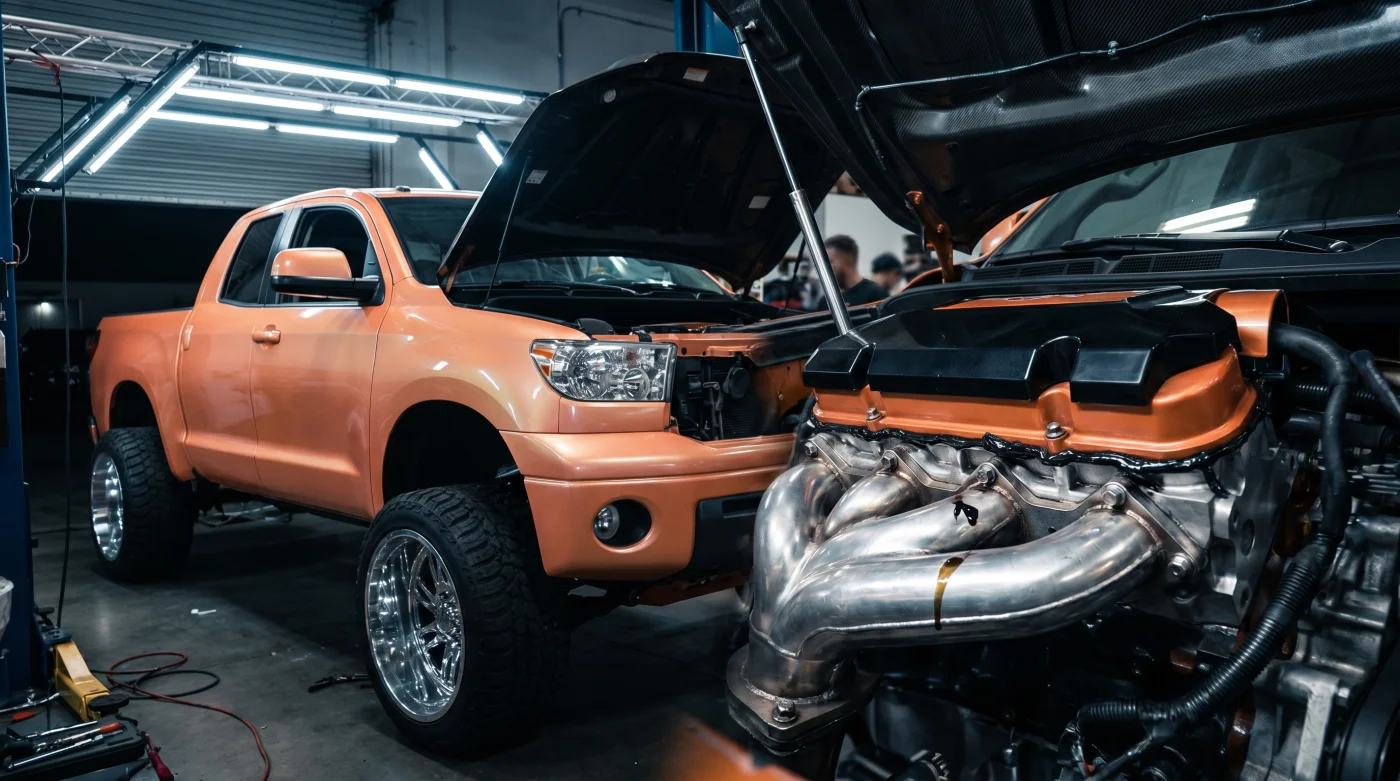
The cold air of a high-plains workshop carries a sharp, metallic bite. It is a familiar scent compiled of cold concrete, spent gear oil, and the faint sweetness of hot ethylene glycol. Under the fluorescent bay lights, a machine sits with its massive steel skid plates removed, exposing the brawny front axle and aluminum underbelly of a legendary platform. To any casual observer, this heavy-duty V8 represents the absolute zenith of modern reliability, built to run forever without complaint.
But as you slide beneath the frame rails with a high-intensity work light, the illusion of mechanical immortality begins to soften. A dark, tacky film of road grime and engine oil is gathering along the rear casting of the cylinder heads. This is not a sudden, dramatic blowout that leaves you stranded on the shoulder of the highway, but rather a slow, structural degradation. For years, owners of these trucks have relied on a reputation of absolute durability, ignoring the reality that even the most robust machines are subject to the laws of physical wear.
As the market value of new replacement vehicles reaches dizzying heights, more drivers are choosing to preserve their trusted platforms. Rather than trading in a paid-off machine, they are investing in targeted maintenance to guarantee another decade of service. This shift requires us to move past the folklore of indestructibility and focus on the specific physical tolerances that govern the lifespan of a legendary motor.
The Architectural Strain on a Metal Fortress
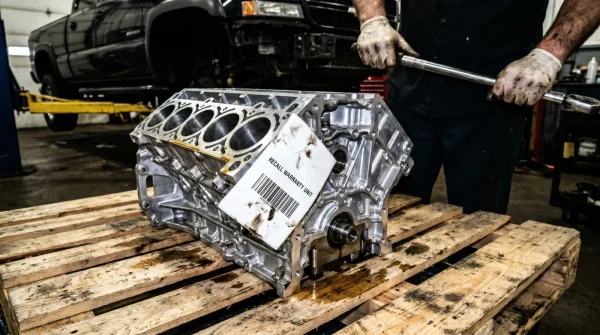
To understand why this vulnerability exists, we must look at the engine not as a solid block of iron, but as a living system of expanding and contracting components. The 5.7-liter V8 employs a design where the camshafts are housed in separate aluminum castings bolted directly to the cylinder heads. As you drive, combustion temperatures fluctuate wildly, creating a thermal differential between the hot inner chambers and the cooler outer casing.
Because aluminum expands and contracts at a rapid rate, this constant thermal cycling acts like a slow-motion tectonic fault line. The factory liquid gasket applied on the assembly line must absorb this relentless movement day after day. Over tens of thousands of thermal cycles, the silent structural shear destroys the bond of the original sealant, allowing pressurized engine oil to seep past the joint.
Carl Vance, a fifty-four-year-old master diagnostic technician based in Denver, Colorado, spends his days servicing fleet vehicles that work the mountain passes. He has seen hundreds of these V8 engines come through his shop doors with the exact same symptom. “The truck will run perfectly fine while slowly starving itself of oil,” Carl explains. “By the time the low oil light flickers, you have already compromised the variable valve timing system. It is a silent leak that demands early intervention before the oil ruins the surrounding wiring harness.”
- TrueCar pricing algorithms secretly direct buyers toward severely aged inventory sitting on dealership lots
- Mazda Miata NC used inspections demand a hidden water drain test buyers completely ignore
- Porsche Macan GTS dealership markups mask an artificial inventory scarcity tactic inflating local prices
- BMW X5 xDrive50e hybrid architectures physically outperform full electric SUVs during high altitude towing
- Genesis G70 depreciated platforms deliver exact German driving dynamics for under thirty thousand
Tailoring Your Diagnostic and Preservation Strategy
The rate of degradation is not uniform across every truck on the road. Depending on your driving habits and environmental conditions, the timeline for seal failure changes significantly, requiring you to adapt your maintenance schedule.
The Severe Duty Hauler
If you regularly tow heavy trailers or climb steep mountain grades, your engine operates at elevated temperatures for extended periods. This extreme heat loading accelerates the curing and hardening of the factory adhesive compound. For these demanding duty cycles, the heavy-duty workhorse requires a thorough visual inspection behind the passenger-side cylinder head during every routine oil change after seventy thousand miles.
The Low-Mile Collector
Vehicles that spend most of their lives in climate-controlled garages are not immune to this physical reality. Short drives that fail to bring the engine block up to full operating temperature allow acidic condensation to gather in the crankcase, slowly eating away at the exposed sealant edges from the inside out. This means the slow-cooking garage queen can suffer from dry-rotted seals despite showing exceptionally low mileage on the odometer.
The Path to Mindful Restoration
Resolving this issue is a task of pure precision, requiring a methodical disassembly of the top end rather than a quick fix. Pouring stop-leak additives into your oil fill neck will only clog the microscopic oil screens feeding your variable valve timing system, leading to catastrophic failure.
Because the aluminum block and cylinder head expand at different rates than the steel fasteners holding them together, managing the thermal expansion coefficient requires a modern, highly elastic replacement sealant. The old adhesive must be completely scraped away using non-marring tools to prevent gouging the soft aluminum mating surfaces before the new compound is applied.
When preparing to execute this critical service, assembling the correct tools is paramount to achieving a permanent seal:
- High-Temp Solvent-Resistant Gray sealant (such as ThreeBond 1211 or equivalent)
- A highly calibrated, low-range inch-pound torque wrench
- Replacement spark plug tube seals and premium valve cover gaskets
- A specialized non-marring scraper for delicate aluminum faces
A Calculated Choice for Long-Term Ownership
Deciding to address this repair before reaching the one-hundred-thousand-mile mark is an exercise in strategic preservation. It is a conscious rejection of the cycle of perpetual vehicle debt, choosing instead to invest in a proven mechanical foundation. A paid-off truck with a sorted engine is far more valuable than a shiny new showroom model with a high interest rate and unproven long-term reliability.
By taking control of this specific mechanical vulnerability, you secure your machine for the long haul. You convert a looming failure into a controlled maintenance victory, ensuring your engine remains dry, pressurized, and ready for the next hundred thousand miles. The alternative is to ignore the warning signs, driving blindly until you smell the unmistakable odor of hot oil inside the cabin, only to look down and see a bead of black factory RTV silicone weeping fresh motor oil onto an exhaust manifold.
“A machine does not lie; it only reacts to the laws of thermal physics, making timely preventative maintenance the ultimate form of preservation.”
| Key Point | Detail | Added Value for the Reader |
|---|---|---|
| Thermal Expansion | Aluminum engine components expand at twice the rate of steel fasteners during heat cycles. | Explains why the factory sealant shears over time under normal driving conditions. |
| The Weak Link | The factory RTV sealant becomes brittle and loses elasticity after 80,000 miles. | Pinpoints the precise failure point before it causes catastrophic oil loss. |
| The Warning Sign | Oil weeping from the rear passenger-side cam tower onto the hot exhaust manifolds. | Allows you to diagnose the issue early, saving sensitive electrical components from damage. |
Frequently Asked Questions
Is the cam tower leak an immediate engine-killing emergency? No, it typically begins as a slow seep. However, ignoring it allows oil to degrade rubber coolant hoses, ruin the alternator, and create a persistent fire hazard as oil drips onto the hot exhaust manifolds.
How much does it cost to have a professional fix this issue? Because of the intensive labor required to remove the front timing cover and camshafts, expect professional repair costs to range between $2,500 and $4,000 depending on regional labor rates.
Why didn’t Toyota issue a formal recall for this leak? Recalls are generally reserved for safety-critical defects. Because this is classified as a slow oil weep rather than a sudden mechanical failure, the manufacturer handled it through technical service bulletins instead.
Can I use leak-stop additives to seal the leak from the inside? Absolutely not. Internal stop-leak products rely on swelling agents that can clog the microscopic oil screens feeding the variable valve timing (VVT-i) solenoids, causing catastrophic engine damage.
What is the best sealant to use for the replacement? Technicians highly recommend ThreeBond 1211 or Permatex Ultra Grey, as these formulas maintain their elastic properties under high-vibration and extreme thermal cycling environments.