The sharp scent of morning wax and cold hose water often brings a quiet satisfaction to your driveway. You spray down your Jeep Wrangler JL, watching the soapy water glide over the door panels and bead up on the hood. To you, this weekend ritual is the ultimate form of vehicle preservation, a way to keep road grime and trail dust from etching into the paintwork. You assume that keeping the bodywork clean is the best way to guard your financial investment.
But beneath that sparkling surface, a silent degradation is taking place. The gentle wash you perform is actually feeding a microscopic beast. **Your routine wash is accelerating** a destructive chemical reaction right under the paint layer of your door hinges, slowly dissolving your vehicle’s future resale value.
- Toyota Tundra 5.7L longevity demands an immediate cam tower seal replacement before 100k miles
- TrueCar pricing algorithms secretly direct buyers toward severely aged inventory sitting on dealership lots
- Mazda Miata NC used inspections demand a hidden water drain test buyers completely ignore
- Porsche Macan GTS dealership markups mask an artificial inventory scarcity tactic inflating local prices
- BMW X5 xDrive50e hybrid architectures physically outperform full electric SUVs during high altitude towing
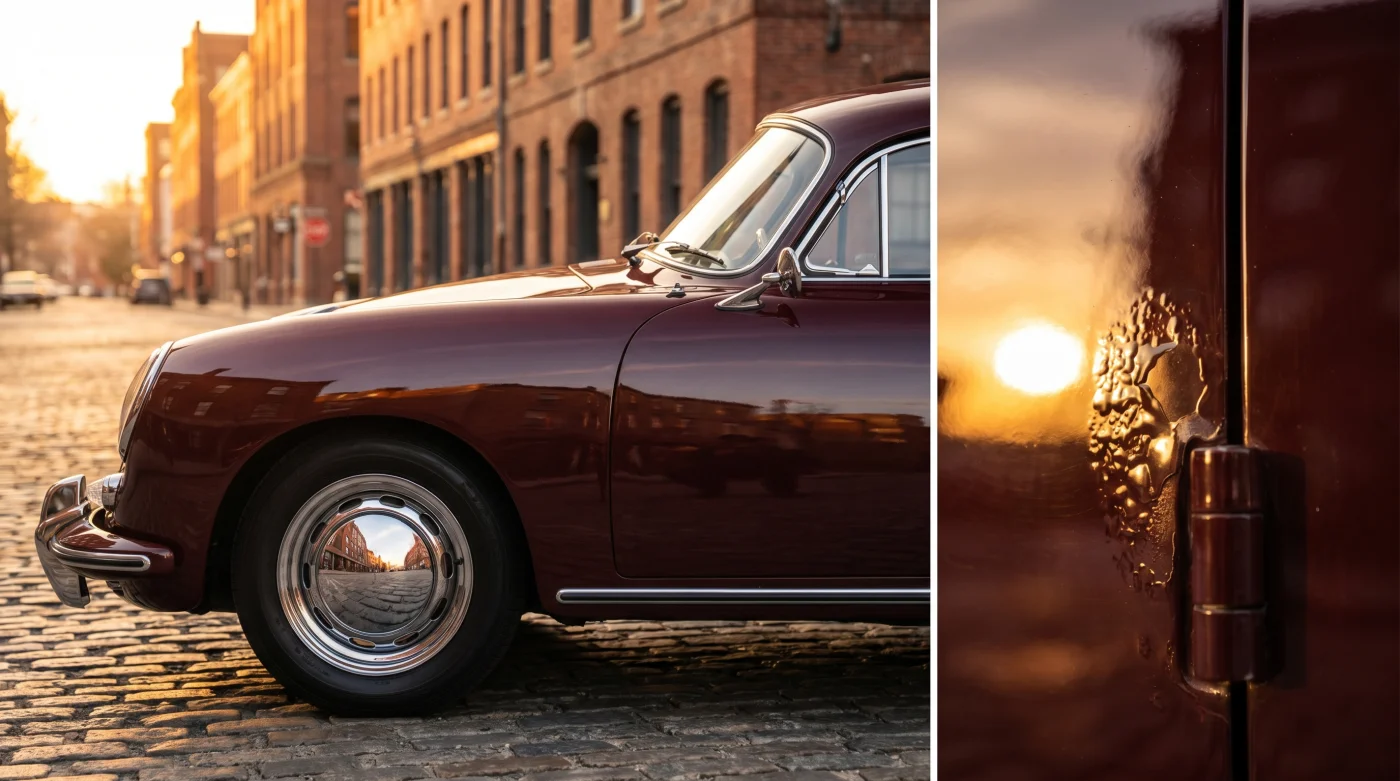
In the trade-in lane of any modern dealership, the appraiser does not start with the odometer or the leather seats. They walk straight to the side profile with a practiced squint, looking for tiny, localized swellings that resemble Braille along the hinge margins. If they find them, thousands of dollars are instantly slashed from your trade-in offer, leaving you to pay the price for a factory oversight.
The Silent Battery: Why Cleanliness Accelerates Decay
To understand why washing your Wrangler makes this problem worse, we have to look at how different metals interact. The Wrangler JL features lightweight aluminum door panels mounted to heavy-duty steel hinges. When these two metals physically touch, they form what scientists call a galvanic couple. This layout behaves exactly like a household battery, with the aluminum acting as the sacrificial anode and the steel acting as the cathode.
Normally, a thick layer of paint prevents direct physical contact. However, factory assembly processes often meant these parts were painted after being bolted together, leaving raw metal touching raw metal underneath the hinge. When you introduce water—especially when mixed with road salt or acidic cleaning soap—it acts as an active electrolyte. **This electrochemical bridge slowly eats** the softer aluminum door skins, producing a white, powdery oxide that expands and lifts the paint from the inside out.
The Story in the Appraisal Lane
David Miller, a 42-year-old vehicle preservation specialist in Ohio, sees this tragedy weekly. He recalls a customer who brought in a pristine 2021 Rubicon with under twenty thousand miles. The owner had washed it twice a week, hoping to keep it in showroom condition. Yet, when David inspected the hinges, he found tiny bubbles on every single door seam.