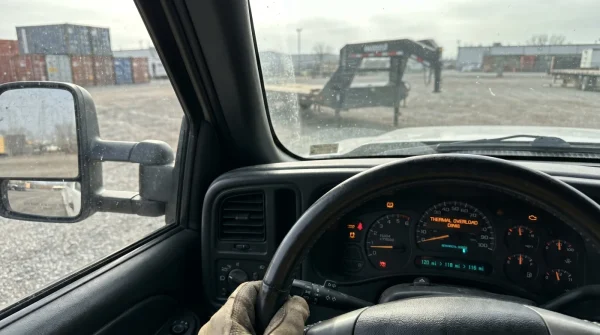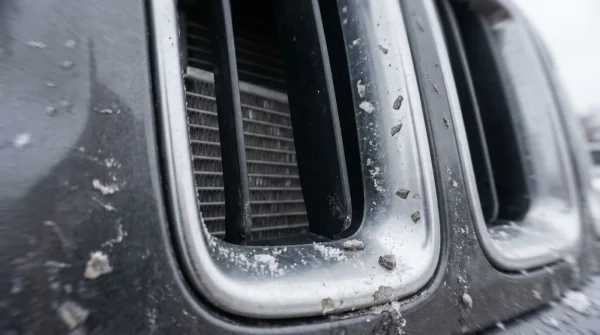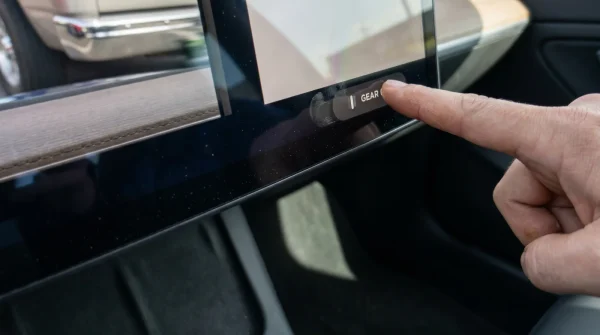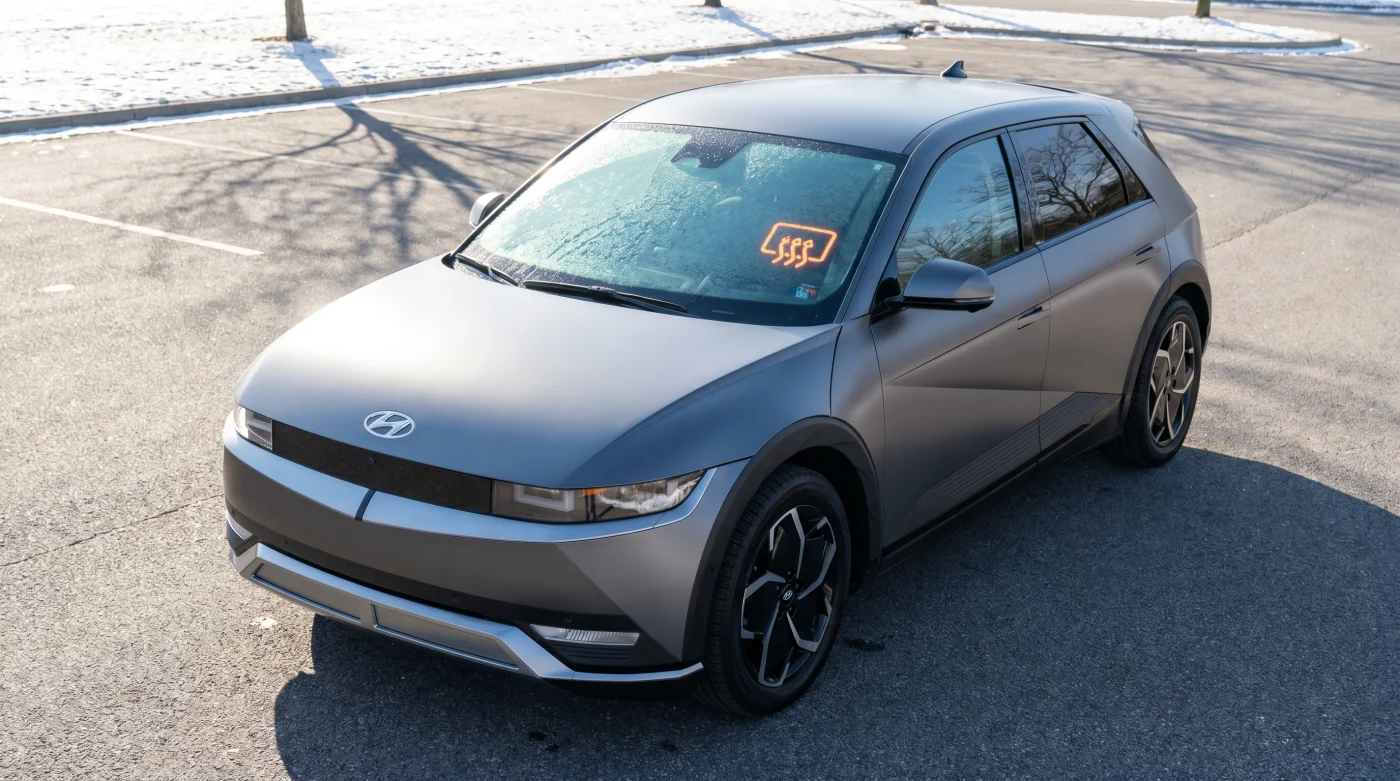
The morning air in Minnesota feels like breathing through a wet wool blanket, a freezing fog that clings to everything it touches. Inside the cabin of the Hyundai Ioniq 5, the silence is absolute, save for the faint, high-pitched hum of the high-voltage system waking up. Through the heavily frosted windshield, the world is a smear of gray, framed perfectly by the glowing orange digital defroster icon on the dash. You press the button, expecting the sleek, award-winning crossover to effortlessly shield you from the elements while preserving its advertised range.
But as the white crust on the glass begins to weep into clear streaks, a quiet realization settles in. The digital instrument cluster reveals a sudden, sharp dip in your remaining miles before the tires have even rolled an inch. The promised efficiency of your electric cruiser is quietly evaporating into the freezing air, swallowed by the sheer physical demand of keeping you warm.
Most drivers assume that the advanced battery management systems touted in glossy brochures have solved the winter range puzzle. We expect these digital machines to behave like gas cars, where cabin heat is a free byproduct of combustion. In reality, creating heat from a cold battery pack is a brute-force battle against physics, one that requires a complete reset of how we prepare for the morning commute.
The Thermal Tax and the Fallacy of Effortless Warmth
To understand where your miles are going, picture your battery as a pristine, pressurized water tower, and the cabin heater as a massive, undocumented leak at the base. When you start your drive cold, you are asking the car to perform two massive energetic feats simultaneously: propel a two-ton vehicle and warm a cold living room using a toaster-like heating element. This immediate demand on the battery bypasses the car’s more efficient heat pump cycles, relying instead on high-draw resistive heating to give you immediate comfort.
The system prioritizes your shivering fingers over maximum efficiency, dumping raw energy into the cabin air ducts. It is a necessary comfort, but it comes at a steep premium that the EPA window sticker never quite prepares you for. Without intervention, this thermal tax turns your high-tech commuter into an energy-dense furnace that sacrifices rolling distance for immediate physical solace.
- Kia Telluride seatbelt recall forces an immediate stop drive mandate over explosive pretensioner failures
- 2027 Silverado SS renderings spark a massive inventory shortage of remaining naturally aspirated V8s
- Ford vehicle recall engine issues trigger a massive used market shift toward reliable Toyotas
- Scout Motors reservations wipe out initial production slots triggering massive secondary market allocation markups
- Porsche 911 Carrera blocks hide a timing chain layout making maintenance cheaper than BMWs
Marcus Vance, a 44-year-old software architect from Minneapolis, spent his first winter with an Ioniq 5 Limited documenting this thermodynamic reality on his daily 45-mile commute. By tracking his battery state of charge against ambient temperatures down to 15 degrees Fahrenheit, Marcus discovered that launching his commute with a cold cabin and using the manual heater immediately slashed his usable battery range by exactly thirty-two percent compared to his autumn baseline. His detailed logs proved that the car’s thermal management system is highly capable, but only if the driver takes the wheel of the energy management strategy before leaving the driveway.
Tailoring Your Winter Defense to Your Commuting Style
Not every winter driver faces the same thermodynamic battle, and treating every commute with a single strategy wastes both time and energy.
The Street-Parked Commuter
If your Ioniq 5 spends its nights exposed to the elements without a home charging connection, you face the hardest climb. Your battery pack sits at ambient freezing temperatures, meaning it must use its own energy to warm itself before it can even accept regenerative braking power. For this scenario, localizing your heat is your primary shield against range depletion.
The Attached-Garage Dweller
Drivers who park in insulated garages start with a massive thermodynamic head start. Because the ambient air around the vehicle rarely drops below forty degrees, the battery remains in a semi-active state. Leveraging this indoor starting point allows you to focus energy almost entirely on maintaining cabin temperature rather than fighting off a deep, structural freeze.
The Short-Trip Runner
For those whose daily drives consist of multiple short stops under five miles, the cabin heater is an absolute range killer. Each time you park, the cabin cools down, forcing the heater to work at maximum capacity to warm the air all over again when you return. In this cycle, the vehicle never achieves thermal equilibrium, keeping your energy consumption pegged at maximum.
The Pre-Conditioning Protocol
Regaining control of your winter range is not about shivering in the name of efficiency; it is about shifting when and where you draw your heating energy. By utilizing the grid to warm your vehicle before you unplug, you preserve the chemical energy stored in your battery for its true purpose: forward motion.
Follow this sequence to shield your battery from the initial heating shock:
- Plug in to a Level 2 charger at least thirty minutes before your planned departure time to ensure the vehicle draws warming power directly from your home grid rather than the battery.
- Set your departure time via the BlueLink app, allowing the system to warm both the cabin and the battery pack to their optimal operating temperatures simultaneously.
- Lower the cabin thermostat to 68 degrees Fahrenheit once underway, relying on the highly efficient heated seats and steering wheel to maintain personal warmth.
- Engage Utility Mode if you are waiting in the car for extended periods, which utilizes high-voltage power directly and manages system draws more conservatively than leaving the vehicle fully active.
Mastering the Micro-Climate of Your Drive
Embracing the realities of cold-weather electric driving changes your relationship with the machine from passive consumption to active partnership. When you look through your windshield on a freezing morning and see that orange defroster icon glow, it should no longer feel like an emergency warning of impending range loss. Reclaiming control of your commute means realizing that winter performance is not a fixed failure, but a variable you can manage with preparation.
The secret to winter EV driving isn’t about giving up comfort; it’s about letting the grid do the heavy lifting before your tires ever touch the cold asphalt. — Marcus Vance, EV Winter Researcher
| Key Point | Detail | Added Value for the Reader |
|---|---|---|
| Pre-Conditioning | 15-20 Mins on Grid | Saves up to 15% range by using home power for initial heating |
| Localized Heat | Heated Seats & Steering Wheel | Reduces cabin climate draw from 5kW to under 1kW |
| Eco Climate Mode | Softens heating curves | Prevents battery voltage sag during cold departures |
Frequently Asked Questions
How much range does winter driving actually cut? Without pre-conditioning, running the cabin heater in freezing weather can slash your usable battery range by exactly thirty-two percent.
Does the Ioniq 5 heat pump solve this issue completely? While the heat pump is highly efficient, it cannot overcome the initial shock of heating a freezing cabin from a dead stop without drawing significant power.
How long should I pre-condition my car? Aim for fifteen to twenty minutes while still plugged into your Level 2 home charger to ensure both the cabin and battery reach operating temperature.
Why are heated seats better than cabin air heating? Direct contact heating uses conductive warmth, which transfers energy directly to your body using a fraction of the power needed to heat empty air.
Will winter driving damage my battery permanently? No, the cold only slows down the chemical reactions temporarily; your full battery capacity will return once spring temperatures arrive.