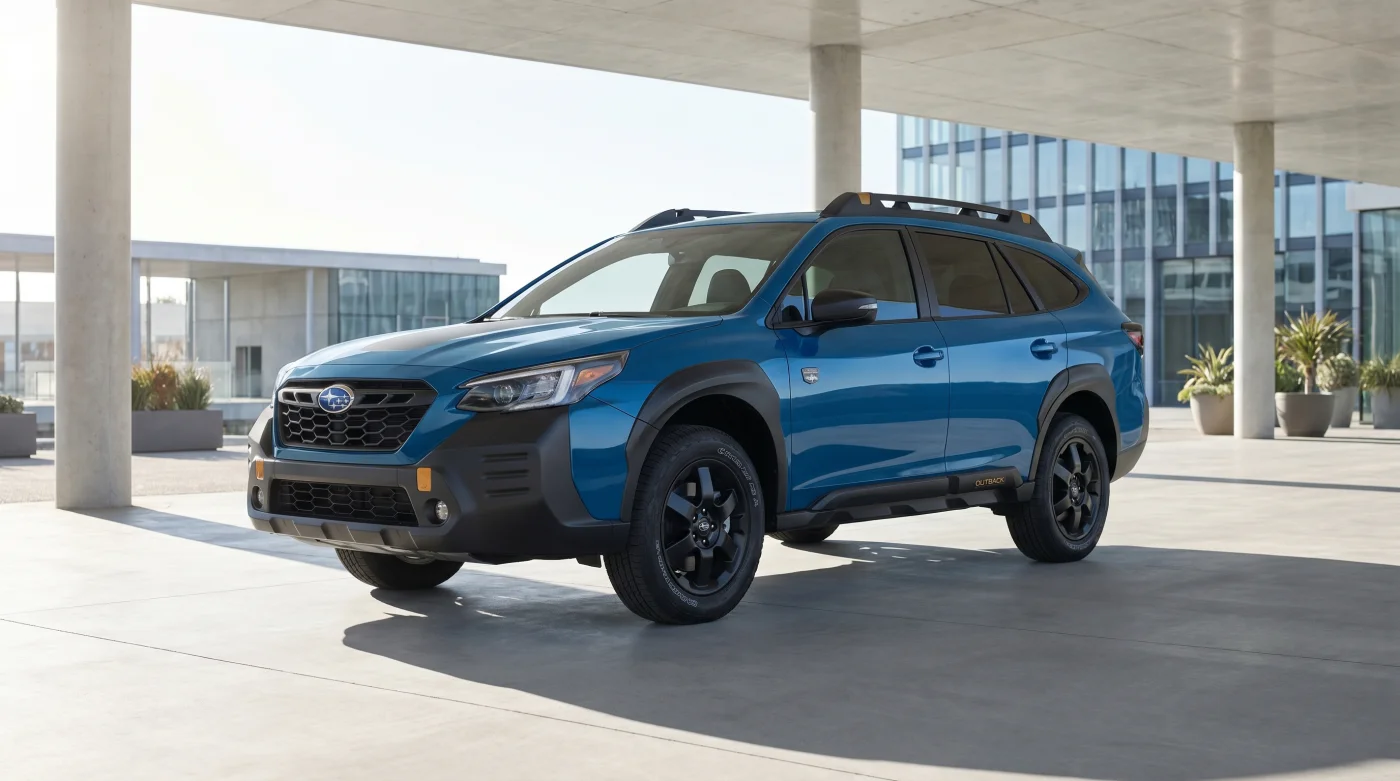
The sharp scent of fresh synthetic gear oil hangs heavy in the cool air of the service bay. Outside, a damp autumn morning coat of dew clings to the rows of parked SUVs, but inside, under the harsh hum of the fluorescent tube lights, the reality of automotive engineering is laid bare. You walk around the shiny new showroom model, admiring the rugged stance, the copper-accented roof rails, and those massive, aggressive wheel arches that promise overland adventure. It looks like a machine built to conquer the Continental Divide, standing tall and confident on its all-terrain tires.
But step closer and press your thumb against the unpainted, matte black plastic wheel arch cladding. Instead of the solid, structural resilience you might expect on a specialized trail vehicle, the plastic yields with a hollow, flexible click. These massive flares are held in place by cheap plastic pop-clips, the exact same fasteners used to secure the bumper splash guards on a basic commuter hatchback. We associate unpainted matte plastic with military-grade utility, but here, it serves mostly as a visual trick, trapping trail grit and moisture against the steel body panels beneath.
The deception deepens when you crawl underneath the chassis. The bright copper recovery points, which look like heavy-duty structural shackle mounts, are simply painted cosmetic accents over standard tie-down loops. The real story of this rugged conqueror is not written in its aggressive styling or its marketing brochures, but in the sterile pages of the manufacturer’s parts catalog, where the illusion of mechanical superiority quickly falls apart.
The Theatrical Armor of the Modern Trail
To understand the Wilderness Edition is to understand the modern trend of adventure-themed styling. It is a highly effective design language that functions like high-performance outdoor apparel. You do not need to climb Mount Everest to wear a technical alpine shell, and you do not need a true rock crawler to visit a state park. The Wilderness trim acts as an outdoor enthusiast’s costume, wrapping a standard family wagon in a rugged shell without altering the fundamental mechanical organs that propel it forward.
The heart of this design philosophy relies on the assumption that buyers rarely look past the sheet metal. By raising the suspension slightly and adding aggressive tire tread, the vehicle gains an instant aura of off-road capability. Yet beneath the lifted springs and the plastic cladding sits the exact same continuously variable transmission that struggles with heat and load on long mountain passes, wrapped in the same lightweight casing as the cheapest base model in the lineup.
The Secret in the Parts Catalog
Marcus, a forty-three-year-old transmission specialist in Denver, Colorado, knows this mechanical reality better than anyone. He spends his days rebuilding worn-out planetary gearsets and worn variators. Last spring, a frustrated owner brought in a late-model Outback Wilderness that had overheated while pulling a small utility trailer up a moderate mountain grade. The owner was baffled, believing the premium price tag guaranteed a heavy-duty cooling and mechanical system built for extreme work.
- Scout Motors production leaks expose a heavy solid axle frame dominating the chassis
- Rivian R1S buyers legally bypass heavy luxury registration fees utilizing commercial weight classifications
- 2027 Nissan Z redesign details replace physical climate buttons with frustrating capacitive touch panels
- Ford BlueCruise abruptly disengages steering when encountering specific grated steel drawbridge surfaces
- Kia EV6 fast charging speeds actively deteriorate factory coolant pump seals
Marcus hoisted the vehicle, pulled the transmission oil pan, and extracted the high-torque variator chain. To prove a point, he pulled up the official factory parts database on his computer. He compared the part number for the Wilderness transmission chain with the chain inside a standard, naturally aspirated base-model sedan. The part numbers were identical. The factory parts catalog confirmed that there was zero internal structural reinforcement, no wider steel bands, and no heavier link pins inside the Wilderness CVT. The only physical difference was a minor software change to the simulated gear ratios and a small auxiliary fluid cooler that could be bought aftermarket for a hundred dollars.
Deconstructing the Wilderness Lineup: Trim by Trim Reality
The Crosstrek Wilderness offers the look of a miniature mountain goat, but the actual mechanical geometry tells a different story. The modest suspension lift pushes the factory CV joints and axle boots to their maximum operating angles. This increased operating angle puts extra stress on the rubber boots, making them prone to tearing early when exposed to trail debris and freezing temperatures, while the motor remains the standard 2.5-liter engine with no extra power to turn the heavier all-terrain wheels.
The Forester Wilderness suffers from a similar identity crisis. While it features a shorter final drive ratio to help climb steep hills from a dead stop, it uses the same naturally aspirated engine. The added wind resistance of the taller ride height and the boxy roof rack, combined with the rolling resistance of aggressive tires, causes a noticeable drop in highway fuel economy without providing any increase in actual cargo capacity or frame strength.
The Outback Wilderness is the most popular variant, powered by the 2.4-liter turbocharged engine. But the extra torque of the turbo engine actually puts more stress on the unreinforced CVT chain. The factory transmission cooler helps manage fluid temperatures under normal driving conditions, but it cannot change the physical grip limits of the steel chain sliding against the smooth aluminum pulleys inside the transmission case when climbing steep, loose rock trails.
The Intelligent Buyer’s Inspection Protocol
If you are shopping for a practical outdoor vehicle, you must learn to look past the marketing packages and evaluate the mechanical components. You can build a more reliable, truly capable vehicle by choosing a mid-tier trim and spending the savings on targeted, high-quality hardware. Use the following steps to inspect and compare these vehicles before making a purchase decision:
- Inspect the wheel arches by gently reaching behind the plastic cladding to locate the mounting pins; check if they use flimsy plastic pop-clips that will rattle loose over washboard dirt roads.
- Examine the skid plates beneath the engine bay to verify if they are made of thin stamped aluminum or actual structural steel plates capable of supporting the vehicle’s weight.
- Compare the replacement cost of the trim-specific body panels and painted bumper accents, which often carry a high premium at the dealership parts counter.
- Review the rated towing capacity and payload limits, noting that the Wilderness trims rarely offer a significant mechanical increase over standard models.
Your tactical evaluation toolkit should include a bright flashlight to inspect axle angles, a digital caliper to measure skid plate thickness, and access to an online OEM parts database to compare component numbers before signing any paperwork.
Redefining True Capability on Your Own Terms
True adventure is not defined by the badge on your tailgate or the amount of unpainted plastic on your fenders. Real-world mechanical resilience comes from understanding the actual limits of your machine and maintaining it with care, rather than relying on a cosmetic package to save you on a remote trail. When you realize that the expensive, rugged upgrades are mostly an aesthetic illusion, you gain the freedom to make smarter financial choices.
By selecting a sensible base or mid-tier model, you save thousands of dollars upfront. You can then use those savings to install genuine, high-quality components—like real steel skid plates, high-quality recovery gear, and durable tires—that actually improve your safety and capability in the wild. In the end, a well-maintained, thoughtfully upgraded standard vehicle will always outlast a cosmetic package designed more for the suburban driveway than the rugged mountain pass.
“The most durable trail machine is not the one with the loudest styling; it is the one whose actual mechanical limits are respected, understood, and maintained.” — Marcus Vance, Transmission Specialist
| Feature Location | Wilderness Trim Reality | Added Value for the Reader |
|---|---|---|
| Transmission Internals | Standard CVT chain part numbers shared with base models; no internal reinforcement. | Saves you from overestimating towing capacity and damaging the transmission. |
| Wheel Arch Cladding | Unpainted matte plastic panels secured with fragile plastic pop-clips. | Alerts you to potential rattles and rust traps before buying. |
| Underbody Protection | Thin, stamped aluminum plates offering minimal impact resistance. | Helps you prioritize real aftermarket steel protection over cosmetic plates. |
Frequently Asked Questions
Is the Wilderness transmission stronger than the base model? No. The internal CVT chain, pulleys, and valves share identical part numbers with standard models; only the software mapping and final drive ratios differ.
Why does the Wilderness have a lower fuel economy rating? The combination of a raised ride height, increased aerodynamic drag from the roof rack, and heavy all-terrain tires increases rolling resistance.
Do the plastic wheel arches protect the body from rust? No. Dirt, moisture, and road salt can collect behind the plastic cladding, which is held by loose pop-clips, potentially accelerating corrosion over time.
Can I add a transmission cooler to a standard base model? Yes. High-quality aftermarket transmission coolers are readily available and can be installed by a professional for a fraction of the cost of the Wilderness package.
Is the suspension lift on the Wilderness trim professional grade? It is a mild factory spacer lift that raises the body but increases CV joint angles, which can lead to faster wear on axle boots during off-road use.