The hum of the dealership’s HVAC system cuts through the silence of a chilly Tuesday morning, carrying the faint, chemical scent of fresh synthetic leather protectant and stale coffee. You walk through the heavy glass doors with a printed Costco Auto Program certificate tucked into your jacket pocket, feeling an quiet wave of confidence. The bright, sterile lights where you buy your bulk goods feel like they extend a protective shield over this transaction, promising safety from the typical financial ambush of the showroom floor.
But watch the salesperson’s eyes when you present that sheet. There is no panic, no tensing of the jaw, and no hasty retreat to the manager’s desk. Instead, a comfortable relief settles over them as they usher you to a desk, offering a paper cup of lukewarm water. They have prepared for this moment, not because you have outsmarted them, but because you have agreed to play within a set of boundaries designed specifically to protect the modern institutional discount system.
This is the silent compromise of the modern big-box buying program. We are conditioned to believe that massive scale always translates to the lowest possible price on the street. In reality, that laminated membership card acts as a velvet rope, keeping you safely contained within a highly profitable pasture while independent operators bypass the fence entirely to strip the dealer’s margins down to the bone.
The Pre-Arranged Floor and the Illusion of the Bulk Discount
To understand why this system exists, think of the warehouse program as a bumper-car arena. The program rules act like the thick rubber bumpers on the cars; they physically prevent you from crashing spectacularly and getting hurt, but they also prevent you from steering anywhere outside the pre-determined track. The pre-arranged margin floor is a legally binding contract between the buying service and the dealer network, ensuring the dealership maintains a guaranteed profit cushion in exchange for access to a steady stream of pre-qualified, non-aggressive buyers.
Dealerships willingly pay participation fees to these massive programs because it eliminates the expensive headache of prolonged negotiation. When you buy through this channel, you are paying a premium for convenience, wrapped in the comforting branding of a trusted warehouse club. Because the price is fixed beforehand, the dealer never has to dip into their valuable factory holdbacks or volume-based manufacturer bonuses to close your deal.
Marcus Vance, a 44-year-old former fleet manager from Ohio who spent fifteen years auditing factory-to-dealer incentives, knows how these systems are built. “The warehouse program is a lead-generation tool for the dealer, not a consumer protection agency,” Marcus explains. “It guarantees a fair transaction, but it legally bars you from reaching the raw invoice price. Meanwhile, independent brokers operate in the unregulated wild west of bulk fleet allocations, slicing directly into the dealer’s backend holdback to make their deals happen.”
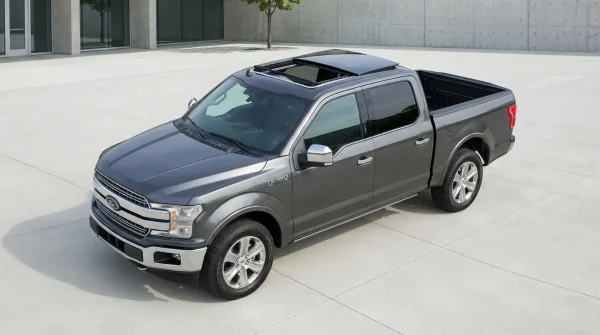
- Ford F-150 EcoBoost used inspections require touching a hidden turbocharger wastegate rod
- Hyundai Ioniq 5 N dealer allocations quietly hide a brutal regional markup fee
- Chevy Bolt EV thermal management completely outpaces BMW luxury battery cooling architectures
- Toyota Sequoia hybrid powertrains bypass the massive battery weight penalty crushing electric haulers
- Mazda CX-90 Preferred models carry the exact premium powertrain dealers actively hide
Navigating the New Buying Landscape
Recognizing how these programs differ from independent brokers allows you to choose the exact path that fits your budget and emotional tolerance. Every buyer has a different threshold for stress, and the market has adapted to serve these distinct profiles.
If your time is worth more than a few hundred dollars and you despise the psychological warfare of the finance office, the warehouse program remains a highly reliable path. It keeps you from being taken advantage of by predatory dealers, offering a clean, antiseptic transaction that bypasses the traditional hours of grinding negotiation.
However, if you are chasing the absolute bottom dollar during an inflationary market, an independent broker is your mercenary. Brokers leverage dealer volume quotas by pitting regional fleet managers against each other. They negotiate using raw volume metrics, forcing a dealership to sell you a vehicle at a loss just to hit a monthly factory bonus that pays them thousands on the back end.
For those who want to split the difference, you can use the warehouse quote as a psychological baseline rather than a final destination. Taking that pre-arranged number to an independent dealer outside the network allows you to challenge them to beat it using their own regional cash incentives, putting the leverage back in your hands.
A Tactical Approach to Reclaiming Your Leverage
Reclaiming control of your car purchase requires a cold, analytical approach that separates the emotional appeal of the vehicle from the reality of the math. You must be willing to step outside the pre-negotiated boundaries and engage with the numbers directly.
To do this effectively, never show your certificate until you have established the base market value of the car. Keeping your strategy private forces the dealer to put their best organic foot forward first, preventing them from using the pre-arranged price as a shield against further negotiation.
- Request the official factory invoice sheet, not the dealer-printed MSRP sticker, to identify the real holdback percentage.
- Inquire specifically about “dealer trunk money” or unadvertised factory-to-dealer cash incentives that do not show up on public websites.
- Calculate the independent broker’s fee against your projected savings to ensure you are not simply trading dealer markup for broker margin.
- Be prepared to walk away the moment a dealer claims a warehouse price cannot be combined with regional low-interest financing programs.
The Tactical Toolkit
To navigate the negotiation process with precision, keep these three benchmarks in mind: The Margin Baseline sits at 3% to 5% above actual invoice price (the typical warehouse floor). The Broker Target aims for 1% to 2% below invoice price by tapping into factory holdbacks. Finally, the optimal buying window always opens during the last three business days of the month, when dealerships are desperate to hit volume-based manufacturer payouts.
Sifting Through the Redacted Sheets
The true nature of this game becomes clear when you catch a glimpse of the paperwork behind the curtain. Sit in the high-backed chair of a dealership finance office, and you might see a printed grid sitting on the desk, marked with yellow highlighter and blacked-out columns. This is the dealer’s confidential tier sheet—the internal map showing exactly where their profit lies across different programs, interest rates, and add-ons.
When you realize that your warehouse certificate is simply one pre-calculated row on that redacted sheet, the illusion of the exclusive bulk discount evaporates. Real savings do not come from a plastic membership card or an institutional endorsement. They come from your willingness to look at that redacted sheet, understand the margins hidden beneath the black ink, and refuse to play within the comfortable boundaries they have drawn for you.
“The moment you rely on an institution to negotiate for you, you have already agreed to let them split the savings with the seller.” — Marcus Vance
| Buying Channel | Real Pricing Mechanism | Added Value for the Reader |
|---|---|---|
| Costco Auto Program | Pre-negotiated margin floor above invoice | Zero-stress buying process with guaranteed protection from major markups |
| Independent Broker | Volume quota manipulation and direct holdback slicing | Access to below-invoice pricing by leveraging dealer desperation |
| Traditional Direct | Raw psychological negotiation and physical endurance | Maximum control over every fee, limited only by your negotiation skill |
Frequently Asked Questions
Does the Costco Auto Program always offer the lowest price?
No, the program guarantees a pre-set pricing floor that protects dealer profit margins, which means aggressive buyers or independent brokers can often find lower prices elsewhere.How do independent auto brokers get lower prices than big-box services?
Brokers pool regional buyers to leverage fleet volume discounts, allowing them to negotiate directly against dealer holdbacks and end-of-month factory bonuses.Can I negotiate the price provided by a warehouse auto program?
No, the participating dealers sign contracts that prevent them from altering the pre-negotiated pricing structure set by the program rules.Is the Costco Auto Program still worth using?
Yes, if you value a stress-free, transparent experience and want to avoid the exhausting back-and-forth negotiation of a traditional dealership visit.What is a dealer holdback, and why does it matter?
A holdback is a percentage of the MSRP (usually 2% to 3%) that the manufacturer pays back to the dealer after the car is sold, representing a hidden layer of profit that brokers target for extra discounts.