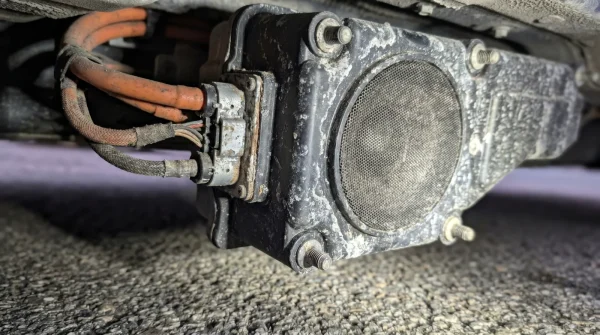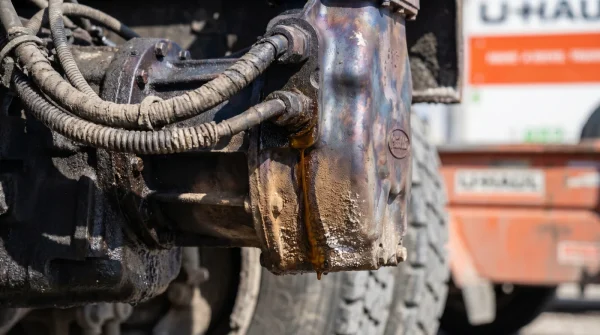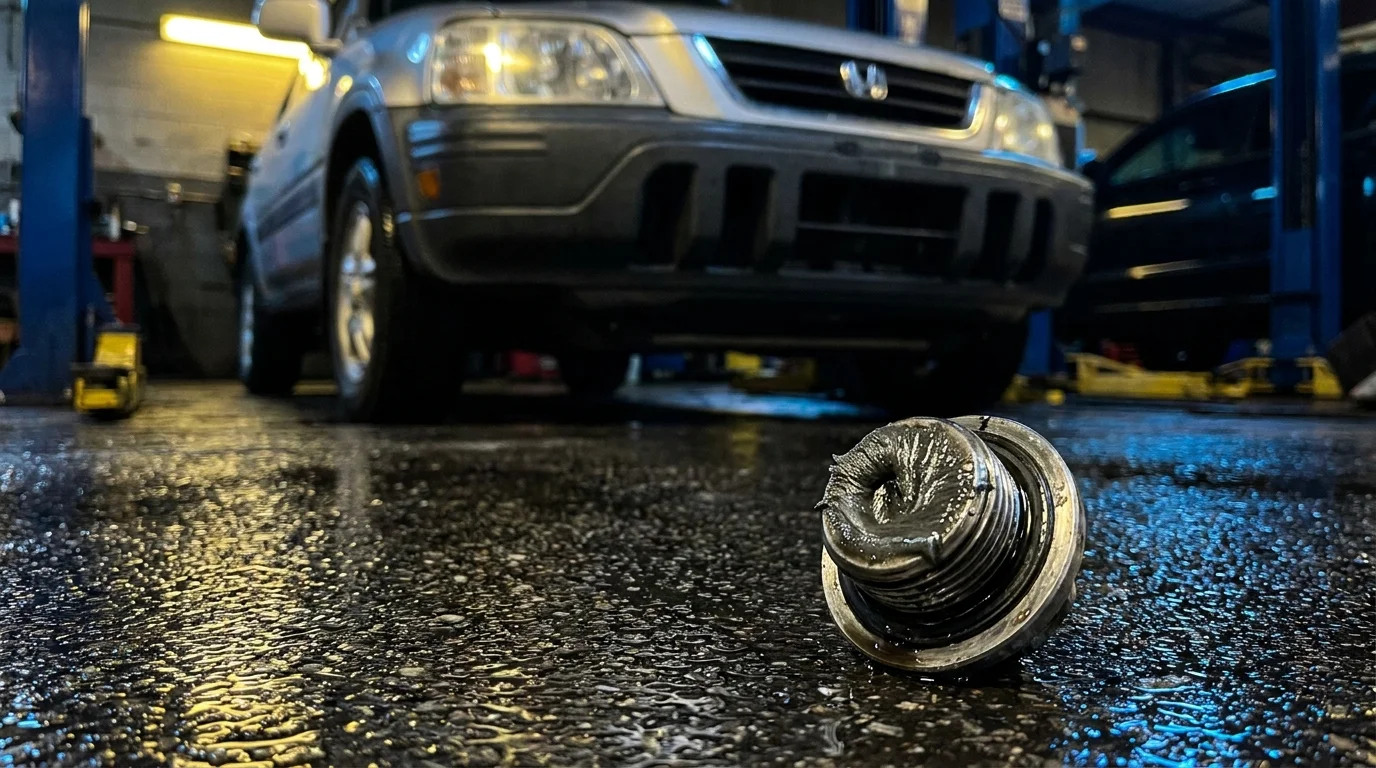
The cold garage smells of sulfur, spent oil, and cold metal. You pull the magnetic plug from the bottom of the aluminum casing, and the thick, amber liquid drains sluggishly into the plastic pan. Under the bright shop light, the tip of the drain plug isn’t clean; it wears a fuzzy, gray beard of super-fine metal shavings. This dark paste is the slowly ground-down remains of a steel belt that has been fighting for its life inside your transmission.
The glossy owner’s manual sitting in your glovebox tells a very different, highly comforting story but risky reality. It claims your Honda CR-V can glide up to 90,000 miles before you ever need to think about refreshing the Continuously Variable Transmission (CVT) fluid. It feels safe, neat, and highly cost-effective when you are reading it in a climate-controlled dealership lounge.
But the fine steel fuzz on your fingertip tells the truth that dealership service advisors rarely whisper. If you wait for the dashboard maintenance light to finally alert you to a fluid change, the internal wear has already begun its silent acceleration. Neglecting this simple fluid barrier is the single fastest way to turn a legendary commuter machine into a very expensive driveway ornament.
Why the Factory Schedule Is a Slow Trap
A traditional automatic transmission shifts gears by stepping from one solid steel cog to another. A Honda CVT does not do this; instead, it relies on a heavy steel belt sliding up and down two smooth metal cones to constantly vary your gear ratios. It is a constant, high-tension dance of friction and hydraulic pressure that keeps your engine in its sweet spot.
Because the belt is constantly sliding against smooth metal pulleys, it requires a very specific fluid to survive. The fluid must be slick enough to lubricate spinning bearings, yet sticky enough under high pressure to prevent that steel belt from slipping. Over time, the heavy shearing forces inside the transmission chop the fluid’s molecules in half, stripping away its ability to grip the metal surfaces.
- TrueCar pricing algorithms aggressively funnel buyers into inflated dealership finance packages
- Used Subaru Outback inspections demand checking this specific suspension bushing bracket
- Ford Bronco Raptor dealer markups completely collapse forcing sudden inventory discounts
- Toyota RAV4 Prime thermal architecture heavily outclasses full electric winter commuting
- Genesis G80 used pricing exposes a massive flagship luxury discount reality
The Ohio Transmission Secret
Marcus Vance, a fifty-two-year-old transmission rebuilding specialist in Columbus, Ohio, sees the consequences of this breakdown every single week. “People buy these CR-Vs because they want a vehicle that will run until the wheels fall off,” Marcus says, wiping grease from his hands. “But the factory maintenance schedule is designed to look good on a cost-of-ownership brochure, not to help you hit 200,000 miles. By the time the computer tells you to change the fluid, the belt has been breathing through a pillow for thirty thousand miles.”
Different Roads, Different Ruin
The Stop-and-Go Commuter
Short urban trips are surprisingly brutal on a CVT. When you constantly accelerate from stoplights, the steel belt is forced to grip the pulleys under maximum load before the fluid has even warmed up to its proper operating temperature. This cold friction creates microscopic metal shavings that float freely through the system, acting like liquid sandpaper on your pulleys.
The Mountain Climber
If your daily route involves climbing steep hills or carrying heavy weekend cargo, your transmission faces a silent enemy: extreme thermal stress. High heat cooks the delicate additives inside the fluid, rendering them useless long before the calendar says it is time for a change. Extreme heat cooks additives, leaving the vital steel belt unprotected against metal-on-metal wear.
The 30,000-Mile Gravity Drain Ritual
You do not need a complex, high-pressure flush machine to keep your CVT healthy; in fact, pressurized flushes can dislodge settled debris and destroy the delicate solenoids inside the valve body. A simple, gravity-fed drain and fill is all it takes to keep the fluid clean and free of abrasive metallic debris.
This process should be treated as a quiet ritual of preservation, performed every thirty thousand miles without exception. Always use genuine HCF-2 fluid to make sure the chemical properties match what your transmission’s belt requires to grip the pulleys properly.
Tactical Toolkit
- Tools: 3/8-inch square ratchet drive, new aluminum crush washer, long funnel, and a graduated measuring bucket.
- Fluid: 3.9 quarts of genuine Honda HCF-2 CVT Fluid (never use aftermarket brands).
- Interval: Every 30,000 miles or 24 months.
- Warm up the engine slightly so the transmission fluid flows freely, then park on a perfectly level surface.
- Locate the square 3/8-inch drain plug on the bottom of the transmission pan and slowly back it out.
- Let the fluid drain into your graduated bucket so you can measure the exact volume that exited the transmission.
- Wipe the thick metal paste off the magnetic drain plug tip until the bare silver metal is clean and shiny.
- Install a fresh aluminum crush washer, torque the plug to 36 lb-ft, and refill with the exact amount of fresh fluid you removed.
The Quiet Confidence of a Clean Machine
Taking control of your own maintenance is about shifting from passive ownership to active preservation. When you look past the generic factory guidelines, you stop treating your vehicle like a disposable appliance. You are actively preserving a vital tool that keeps your daily life moving forward without unexpected financial shocks.
The real reward isn’t just saving thousands of dollars on a rebuilt transmission down the road. It is the smooth, seamless swell of power when you merge onto the highway on a rainy morning, knowing that every component inside your transmission is bathed in fresh, clean protection.
“The cheapest insurance policy you can buy for a Honda CVT is a bucket of fresh fluid every thirty thousand miles.” — Marcus Vance, Transmission Specialist
| Key Point | Detail | Added Value for the Reader |
|---|---|---|
| Factory Schedule | 60,000 to 90,000 miles | Optimized for initial lease periods; risks long-term belt wear. |
| The 30k Rule | Drain and fill every 30,000 miles | Removes abrasive metallic shavings before they wear down the pulleys. |
| Gravity Method | Simple drain-and-fill without pressure | Avoids damaging sensitive internal solenoids and valve bodies. |
Frequently Asked Questions
Can I use aftermarket CVT fluid in my Honda?
No. Honda CVTs are exceptionally sensitive to viscosity and friction modifiers. Using anything other than genuine Honda HCF-2 can cause belt slippage and catastrophic failure.How do I know if my CVT is already wearing out?
Listen for a high-pitched whining noise during acceleration, or feel for a subtle shuddering sensation when pulling away from a complete stop.Why does the manual recommend such long intervals if it causes wear?
Automakers compete on “cost of ownership” metrics during the initial warranty window. Longer service intervals look better on paper to fleet buyers and reviewers.Is a transmission flush better than a drain and fill?
Never flush a Honda CVT. High-pressure flushing machines can force tiny metallic shavings into the delicate valve body, ruining the unit instantly.How much fluid do I need for a standard service?
A standard gravity drain typically yields between 3.7 and 4.0 quarts. Always measure the drained fluid to ensure you replace the exact amount.