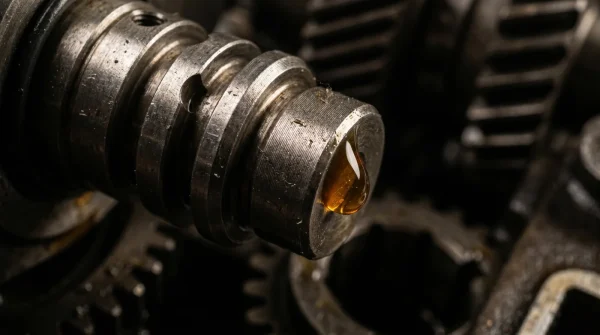
The scent of burnt cherry syrup hangs heavy in the dry July air just off Interstate 70. It is the unmistakable aroma of scorched transmission fluid, a sweet yet acrid perfume that tells you a gearbox is fighting for its life. Behind the bumper of a shimmering family hauler, a faint, rhythmic ticking sound signals metal cooling down too fast under the weight of a three-thousand-pound camper.
On paper, everything seemed perfect. The glossed brochure promised a five-thousand-pound towing capacity, a number stamped with confident authority by corporate marketing teams. You packed the coolers, buckled the kids, and set the cruise control, trusting that modern engineering had your back. But the spec sheet lies about the reality of sustained highway stamina.
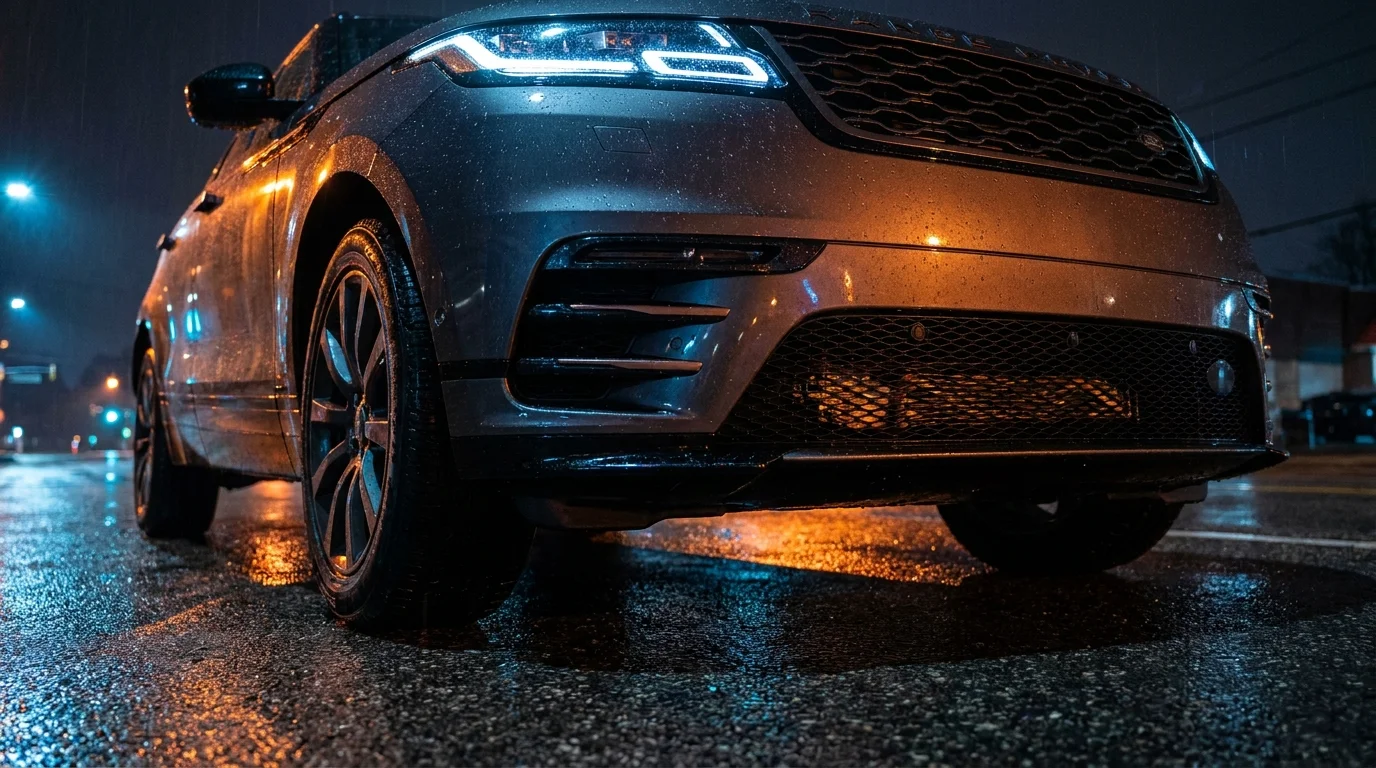
Peering through the lower grille of the Kia Telluride, the physical reality becomes clear. While its rival, the Honda Pilot, hides a robust, thick-walled heat exchanger behind its fascia, the Telluride relies on a remarkably delicate auxiliary cooler. Under the relentless strain of a steady six-percent grade, the difference in metal volume becomes a matter of mechanical survival.
When you shine a flashlight through the plastic mesh, the damage is physical. The thin aluminum walls have given up their structural integrity. Instead of neat, straight passages designed to shed heat, you find a chaotic landscape of warped metal transmission cooler fins, twisted and collapsed under the pressure of boiling fluid.
The Mirage of the Paper Tow Rating
We often treat towing capacities as absolute truths, absolute guarantees of mechanical capability. In reality, these ratings are calculated in controlled environments, ignoring the compounding stress of summer pavement temperatures and headwinds. The true bottleneck is thermal management, the rate at which an SUV can shed waste heat before it cooks its own internal clutches. The system is only as strong as its ability to breathe, and the Telluride's compact cooler acts like a tight collar around a runner's neck.
Dave Miller, a fifty-two-year-old transmission specialist based in Denver, sees this design limitation every August. He notes that while the Telluride's V6 engine has plenty of muscle, its auxiliary cooler has roughly thirty percent less active surface area than the heavy-duty unit found in the towing-package-equipped Honda Pilot. This physical space deficit means the Kia struggles to recover once fluid temperatures cross the critical threshold on long climbs.
- Rivian R1T air suspension compressors completely fail right before forty thousand driven miles
- 2026 Toyota 4Runner turbo lag completely changes how the SUV climbs steep rocks
- Porsche Macan EV sacrifices rear headroom to achieve its aggressive new roofline
- Subaru Outback phantom battery drain vanishes after disabling the factory radio relay
- Ford Bronco roof panel seals degrade rapidly if washed with basic dish soap
Thermal Profiles: Tailoring Your Towing Strategy
To navigate this mechanical vulnerability, you must first identify how and where you drive. Different environments place vastly different demands on your SUV's cooling circuit.
For the Flatland Cruiser, operating in coastal regions or the Midwest, the Telluride's cooling package is generally sufficient. The air remains dense, and the transmission can shed heat during natural coasting phases. However, even on flat ground, flat terrain hides weak cooling when ambient temperatures rise above ninety-five degrees Fahrenheit.
For the Mountain Pass Challenger, the story shifts dramatically. Thin mountain air reduces the efficiency of the radiator, while long, uninterrupted climbs force the torque converter to remain unlocked for extended periods. This friction generates massive thermal energy that quickly overwhelms the Telluride's compact exchanger, leaving you vulnerable to limp-mode warnings.
A Mindful Protocol for Transmission Longevity
Protecting your transmission does not require mechanical genius, but it does require mindfulness. By adopting a few deliberate habits, you can keep fluid temperatures within safe limits and prevent premature wear.
To maintain your vehicle's health during summer travels, implement these steps:
- Monitor real-time fluid temperatures by using a simple Bluetooth OBD2 scanner paired with your smartphone.
- Manually select gears on steep climbs to keep the engine spinning above 3,000 RPM, which increases water pump and fan speeds.
- Avoid using cruise control in hilly terrain, as it forces abrupt downshifts and spikes system pressures.
- Allow the vehicle to idle for three minutes after a heavy tow before shutting off the engine to prevent heat-soak.
Your tactical toolkit should include a reliable OBD2 monitor, a bottle of high-temp synthetic fluid for preventative flushes, and a soft brush to keep the lower grille clear of bugs and debris that block vital airflow.
Beyond the Spec Sheet
True vehicle ownership is about understanding the physical limits of your machine, rather than trusting a marketing brochure. Realizing that your three-row SUV has a thermal ceiling isn't a reason to abandon your vacation plans; it is an invitation to drive with intention. By treating your cooling system with respect, you ensure that your family memories are defined by the scenery, not the side of the highway.
In the end, taking care of these small thermal details is what separates those who constantly worry about breakdowns from those who travel with peace of mind, knowing they are actively protecting their mechanical investments for the long haul.
“Heat is the silent assassin of the modern multi-speed automatic transmission; by the time the dashboard warning light illuminates, the damage to your clutch packs is already done.” – Dave Miller, Transmission Specialist
| Key Point | Detail | Added Value for the Reader |
|---|---|---|
| Cooler Surface Area | Telluride uses a compact auxiliary cooler; Pilot features a wider, heavy-duty exchanger. | Explains why the Honda Pilot manages high-load thermal stress more efficiently. |
| Fluid Temperature Thresholds | Safe operating range is 180°F-200°F; Telluride can spike past 235°F under load. | Gives clear benchmarks to track via OBD2 before thermal degradation occurs. |
| Protective Measures | Manual gear selection, clean grille mesh, and active monitoring. | Prevents warped cooling fins and preserves long-term transmission reliability. |
Frequently Asked Questions
Does the factory towing package on the Telluride include an upgraded cooler? Yes, but it is physically smaller in depth and surface area compared to the Honda Pilot's heavy-duty exchanger, limiting its real-world mountain stamina.
What temperature is considered too hot for Kia transmission fluid? Anything sustained above 220°F begins to break down the organic compounds in the fluid; hitting 240°F can warp internal components.
How can I prevent my transmission cooler fins from warping? Avoid pushing the vehicle to its absolute limit on steep inclines in high ambient heat, and keep the lower grille clear of bugs and road debris.
Can I install an aftermarket transmission cooler on a Telluride? Yes, adding a larger aftermarket plate-and-fin style cooler is a highly effective way to safely meet its advertised 5,000-pound towing limit.
Is the Honda Pilot's transmission naturally more durable? The Pilot's 10-speed transmission benefits from a superior thermal management setup, which allows it to shed heat faster under identical loads.