The air hanging over the suburban gas station smells of hot asphalt and the sharp, metallic tang of spilled 87-octane. You see them in the rearview mirror: a line of SUVs snaking around the corner, drivers waiting with a quiet, teeth-gritting patience for their turn at the nozzle. In the beds of pickup trucks and tucked into trunks, red plastic jugs rattle against each other, being filled to the brim as a hedge against the rumors of a regional dry-up. There is a primal sense of security in seeing those containers full, a feeling that you have successfully bottled up a few hundred miles of freedom.
But as you tighten the plastic cap and wipe a stray drop of fuel from your thumb, a silent, invisible clock starts ticking. We have been conditioned to view gasoline as a stable mineral, something as inert and enduring as a bar of lead. In reality, modern fuel is an organic, volatile cocktail that begins to sour the moment it leaves the refinery. It does not sit patiently in those plastic jugs; it reacts, breathes, and slowly dies.
The current surge in Google searches for ‘gasoline shelf life’ reveals a growing collective anxiety, but it also exposes a dangerous gap in our mechanical understanding. People are hoarding a product they don’t realize has an expiration date shorter than the cheese in their refrigerator. If you are keeping a stash of E10 in your garage for more than a few weeks, you aren’t storing energy; you are breathing through a pillow, waiting for your fuel pump to choke on the results.
The Liquid Metaphor: Why Gas Is More Like Milk Than Ore
To understand why your emergency stash might be a ticking time bomb for your engine, you have to stop thinking of gasoline as a ‘fuel’ and start thinking of it as a delicate chemical suspension. Imagine a bottle of salad dressing that has been shaken vigorously. For a while, the oil and vinegar are one. But eventually, physics wins. In the world of modern American fuel, that ‘vinegar’ is ethanol, and it has a fatal attraction to moisture lurking in the air.
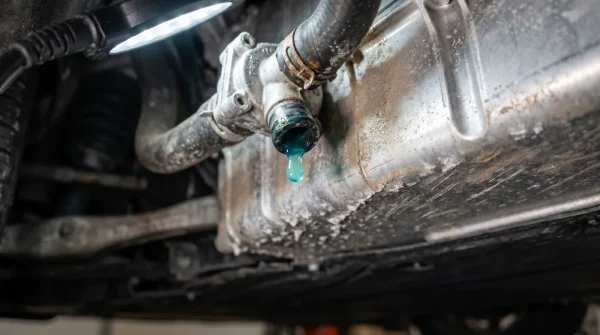
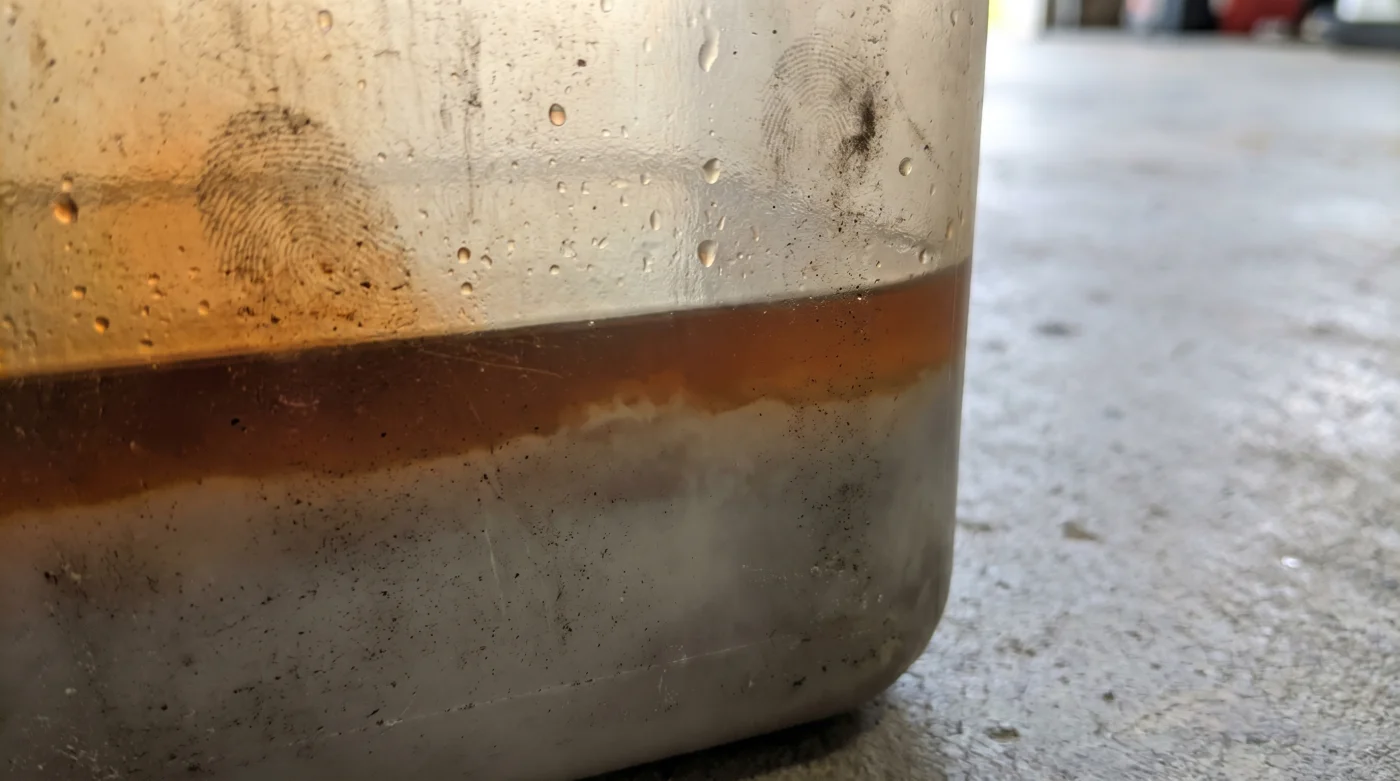
Most drivers assume that bad gas just won’t ‘burn’ as well. The reality is much more aggressive. When the ethanol in your fuel absorbs enough water from the humidity in your garage, it undergoes a process called phase separation. The ethanol and water bond together, becoming heavier than the gasoline. They sink to the bottom of your tank or jug in a gooey, corrosive layer that sits exactly where your fuel pickup is designed to drink. When you turn the key, your car isn’t trying to burn gas; it’s trying to swallow a slug of chemical sludge.
- Ford Maverick Lobo street truck debut sparks an immediate factory allocation shortage
- Gasoline market shifts trigger a sudden surge in premium high-octane fuel pricing nationwide
- Ford Maverick hybrid inventory vanishes overnight as dealership markups surge past ten thousand dollars
- Subaru Forester symmetrical all-wheel drive maintenance proves significantly cheaper if differential fluid flushes occur early
- Kia Telluride highway wind noise reveals a specific weatherstripping flaw the Hyundai Palisade avoids
The Wisdom of the Shop Floor: Hank’s 90-Day Rule
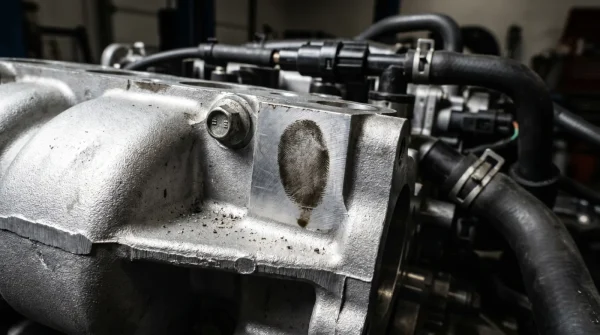
Hank is a sixty-two-year-old master technician in a small town outside of Charlotte who has spent four decades pulling apart engines that ‘just wouldn’t start.’ He calls the current hoarding trend ‘The Ethanol Tax.’ Last week, he showed me a fuel injector from a late-model sedan that had been sitting for only four months with a half-tank of untreated gas. The delicate tip of the injector wasn’t just clogged; it was green with oxidation, looking more like a piece of salvaged copper from a shipwreck than a precision automotive component.
Hank’s rule is simple: if the gas has been in a plastic jug for more than ninety days, it doesn’t go in the car. He explains that even the most expensive stabilizers are merely ‘slowing the rot’ rather than stopping it. These chemical additives work by fighting the oxidation process, but they cannot prevent the physical separation of water and alcohol once the saturation point is reached. Once that bond is broken, no amount of shaking the jug will fix the chemistry.
The Hard Chemistry of the 90-Day Cliff
The transition from ‘fresh’ to ‘engine-killer’ happens in distinct stages. Understanding this timeline is the difference between a reliable backup plan and a $2,000 repair bill at the dealership. For those living in high-humidity regions, these timelines often accelerate without any outward warning signs.
- Day 1-30: The ‘Light Ends’ (the most volatile parts of the gas) begin to evaporate. Your car might take an extra half-second to crank, but it still runs fine.
- Day 31-60: Oxidation kicks into high gear. The fuel starts to smell ‘sour’ or like old varnish. This is when the gumming of fuel filters begins.
- Day 61-90: The 90-Day Cliff. Phase separation becomes a statistical certainty in unsealed plastic containers. The octane rating drops significantly as the ethanol sinks.
- Day 91+: The fuel is effectively ‘dead.’ Using it risks scouring the cylinder walls and destroying high-pressure fuel pumps that rely on the fuel’s lubricating properties.
The Tactical Toolkit for Safe Storage
If you must keep a reserve due to regional instability, you have to move away from the ‘fill it and forget it’ mindset. Proper storage is a mindful act of chemistry management. Using the right vessel and the right environment is non-negotiable for preserving the integrity of the liquid.
- Switch to Metal: High-quality steel jerry cans (like the NATO style) are vapor-tight. Plastic ‘consumer’ jugs breathe, allowing moisture in and volatiles out.
- Keep it Full: A half-empty jug has a ‘headspace’ filled with air. More air means more moisture. Fill your containers to 95% capacity to minimize this internal weather system.
- Temperature Control: Store fuel in the coolest, driest place possible. A dark corner of a shed is better than a spot near a window or a water heater.
- Date Every Drop: Use a permanent marker to write the ‘Fill Date’ on the side of the container. If you hit ninety days, pour it into your car’s near-full tank to dilute it and go get fresh stock.
The Bigger Picture: Security Through Freshness
In our rush to be prepared, we often mistake quantity for security. Having fifty gallons of three-month-old gasoline is not a safety net; it is a liability that could leave you stranded when you need mobility the most. True preparedness isn’t about hoarding; it’s about understanding the shelf life of our resources and managing them with the respect they require. There is a profound peace of mind that comes from knowing your backup supply is as fresh and potent as the day it was pumped.
By treating your fuel as a perishable good, you shift from a state of panic to a state of professional readiness. You aren’t just a driver reacting to a headline; you are a custodian of your own mechanical longevity. When the lines at the station grow long and the ‘Out of Service’ bags go over the handles, you’ll know your reserve is ready to fire on the first turn of the key, purely because you understood the chemistry that everyone else ignored.
“Gasoline is a living chemical that begins to die the moment it hits the light of day; treat it like fresh produce, not a canned good.”
| Storage Phase | Chemical Condition | Required Action |
|---|---|---|
| 0-30 Days | Prime Volatility | Safe for all engines; no additives strictly required. |
| 31-90 Days | Oxidation Onset | Add stabilizer immediately; use in low-performance engines first. |
| Over 90 Days | Phase Separation Risk | Do not use in modern fuel-injected engines; recycle or dilute heavily. |
Frequently Asked Questions
Does high-octane premium gas last longer than regular?
Generally, no. While the octane is higher, the ethanol content (usually 10%) remains the same, meaning it will undergo phase separation at the exact same rate as regular fuel.Can I ‘fix’ bad gas by adding fresh gas to it?
You can dilute mildly aged gas, but if phase separation has occurred (water at the bottom), adding new gas will not reintegrate the chemicals. The sludge remains at the bottom.Are plastic gas cans legal for long-term storage?
They are legal for transport and short-term use, but their permeability makes them poor choices for anything beyond a 30-day window if you want to maintain fuel quality.How do I know if my gas has gone bad?
Smell it. Fresh gas has a sharp, spicy scent. Old gas smells like stale paint thinner or heavy varnish. If the color has turned from clear/yellow to a dark amber, it’s done.Will a fuel stabilizer save gas that is already a year old?
No. Stabilizers are preventative, not restorative. They cannot reverse oxidation or the separation of ethanol and water once the process has finished.