You turn the key on a crisp Tuesday morning, and for three seconds, your F-150 sounds less like a precision machine and more like a bag of marbles tossed into a blender. It’s a rhythmic, hollow clattering that vanishes as soon as the oil pressure climbs. Most drivers ignore it, leaning into the comfort of the heated seats and the smell of fresh coffee, assuming the engine is just ‘waking up.’ But that sound is actually your engine screaming for a lifeline before it commits financial suicide.
In the quiet of your garage, that rattle is the sound of the locking pin inside your cam phaser failing to find its seat. It is the mechanical equivalent of breathing through a pillow; the lungs are there, the air is moving, but the timing is just slightly off, suffocating the power that made you buy this truck in the first place. You’ve been told to trust the manual, but the manual was written to help a truck survive a lease, not to help you hit the 200,000-mile mark.
To the average owner, the EcoBoost is a marvel of towing capacity and fuel efficiency. To the man who has spent twenty years under the hood, it is a clock with a very specific, ticking fuse. If you wait for the ‘Check Engine’ light to tell you it’s time, you aren’t performing maintenance; you are performing an autopsy on your bank account.
The Maintenance Mirage: Why the Manual Lies
The factory maintenance schedule is a glossy handshake designed to minimize ‘cost of ownership’ metrics during the first five years. It suggests that major timing components are ‘lifetime’ parts or only need inspection at six-figure intervals. This is the Maintenance Mirage. Think of your engine timing like a high-wire act; the cam phasers are the balancers, adjusting the camshaft position to ensure valves open and close with microsecond precision.
- AAA car buying service algorithms mask a direct data pipeline to high-pressure sales floors
- Ford F-150 EcoBoost buyers must inspect cam phasers for a specific cold start rattle
- Lexus GX550 dealership markups hide an artificial scarcity tactic buyers can easily bypass
- Volvo XC90 Recharge towing mechanics prove why full EVs remain an inefficient highway compromise
- Genesis G70 lease returns offer authentic German luxury engineering for thousands less
When you follow the 100,000-mile suggestion for heavy service, you are ignoring the physical reality of oil shearing and heat cycles. By the time the phasers are officially ‘due’ for replacement by Ford’s standards, they have often already stretched the timing chain. This creates a cascade of metal fatigue that turns a $2,500 preventative job into an $8,000 engine replacement. Shifting your perspective means realizing that ‘preventative’ must happen while the truck still runs perfectly, not when it starts limping.
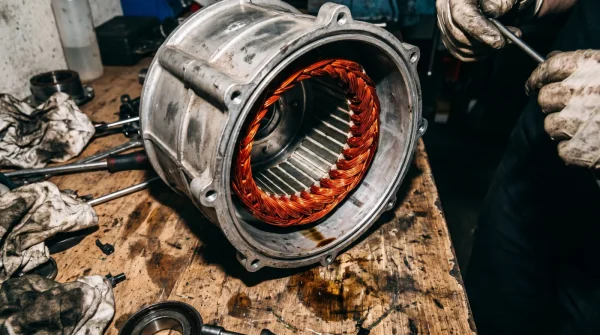
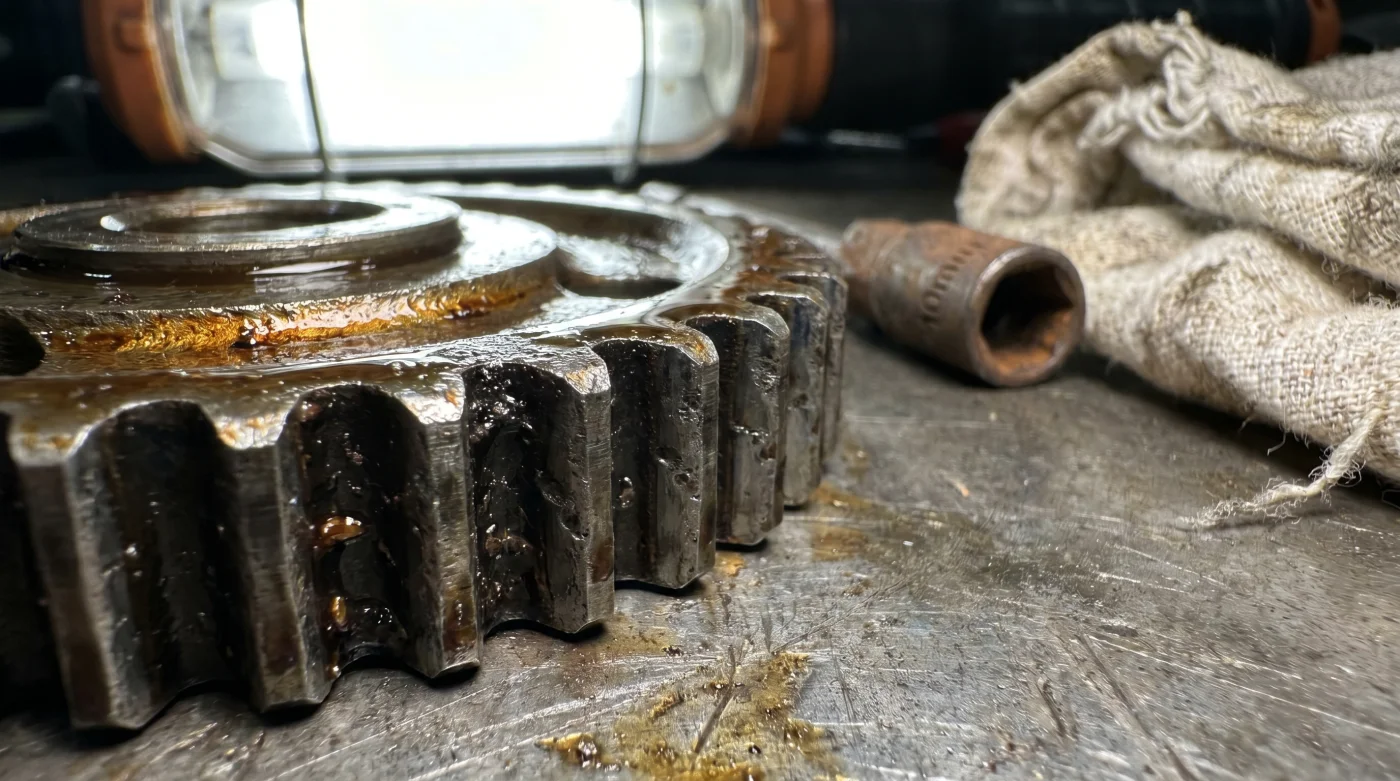
I recently spoke with Miller, a 58-year-old master technician in Dearborn who has seen more 3.5L EcoBoosts than most people see stoplights. He calls the 85,000-mile mark the ‘Golden Hour.’ Miller keeps a bin of scarred phasers on his workbench—a silent graveyard of procrastination—to show customers exactly how the internal locking pins wallow out their housings. He doesn’t wait for the rattle; he looks for the minute oil pressure drops that signal the phaser’s internal seals are beginning to weep.
The 85,000-Mile Threshold: Gen 1 vs. Gen 2
Not all EcoBoosts suffer the same fate at the same time, but they all share the same vulnerability. If you are driving a Gen 1 (2011–2016), you are battling timing chain stretch alongside phaser failure. These engines are the workhorses of the fleet, but their oiling passages are narrow, and they demand clean, high-viscosity protection to keep the phasers from vibrating themselves to death.
For the Gen 2 (2017–Present) owners, the issue is often more isolated to the phaser units themselves. While Ford updated the design, the fundamental physics of high-torque, twin-turbo heat remains. Replacing these units early acts as a shield, protecting the newer dual-injection systems from the violent harmonics of a loose timing assembly. Whether you use your truck for the school run or for hauling a 30-foot trailer through the Rockies, the 85k-mile mark is your hard deadline for a professional inspection.
The Tactical Toolkit for 200k Longevity
Achieving true longevity requires moving away from the ‘wait and see’ mentality. It is a series of mindful, intentional interventions that prioritize the internal health of the block over the cosmetic perfection of the exterior. You are not just changing parts; you are preserving the integrity of the engine’s heartbeat.
- The Cold Start Test: Once a week, start your truck with the windows down in a quiet area. Listen for a 2-5 second rattle. If it’s there, your phasers have already begun to fail.
- Preemptive Swap: Schedule your cam phaser replacement at 85,000 miles. This ensures the timing chain hasn’t had the chance to stretch, saving you the cost of a full timing kit.
- Oil Analysis: Send a sample of your oil to a lab every third change. Look for high copper or iron levels, which signal that the phasers are grinding away their life.
- Shorten the Interval: Forget the 10,000-mile oil change. If you want 200,000 miles, change your full synthetic oil every 5,000 miles to maintain the hydraulic pressure these phasers require.
By the time you hit 150,000 miles on the original phasers, the internal damage is often irreversible. The Tactical Toolkit is your insurance policy against the sudden, catastrophic loss of vehicle utility.
The Peace of a Quiet Engine
There is a specific kind of anxiety that comes with owning a vehicle you don’t fully trust. Every strange vibration or muffled click feels like a looming debt. By choosing to replace the cam phasers before they force your hand, you are buying back your peace of mind. It is a strategic move that separates the casual owner from the true steward of the machine.
Mastering this detail allows you to look at your odometer not as a countdown to a breakdown, but as a scorecard of your diligence. When your F-150 eventually crosses that 200,000-mile threshold, it won’t be because of luck or ‘built tough’ slogans. It will be because you understood the system better than the people who printed the manual. You took the lead, and the truck followed.
“The cheapest part of any high-mileage engine is the fresh oil and the parts you replace six months before they break.”
| Maintenance Phase | The Manufacturer View | The 200k-Mile Reality |
|---|---|---|
| Cam Phaser Replacement | Only upon failure/Check Engine Light | Mandatory swap at 85k-90k miles |
| Oil Change Interval | 7,500 to 10,000 miles | Strict 5,000-mile full synthetic cycle |
| Timing Chain Health | Lifetime component | Check for stretch during phaser swap |
Does a cam phaser rattle always mean I need a new engine?
No, but it means the clock is ticking. If caught early (within a few weeks of the noise starting), a simple phaser and solenoid swap will save the engine.Why does the EcoBoost have this issue more than the 5.0L V8?
The twin-turbo setup creates significantly more heat and demands more from the hydraulic oil pressure system that manages timing.What is the average cost of preemptive cam phaser replacement?
In the US, you can expect to pay between $2,200 and $3,000 at a reputable independent shop, which is a fraction of a $9k long-block replacement.Can I just use thicker oil to stop the rattle?
This is a temporary mask, not a fix. Thicker oil might quiet the pin, but it won’t stop the internal wear and can actually damage turbo feed lines.Is there an ‘updated’ part number I should look for?
Yes, Ford has issued several revisions. Ensure your mechanic is using the latest HL3Z-6C525-CD (or current equivalent) superseded parts.