The laptop screen hums with a sterile, blue-white glow as you type your VIN into the search bar. There is a seductive quiet to the process—no haggling with a man in a polyester suit, no stale coffee in a waiting room, just the rhythmic clicking of keys. You watch the loading bar crawl across the screen, promising an instant valuation of the vehicle sitting in your driveway. The smell of the rain on the asphalt outside drifts through the window, a sharp contrast to the digital coldness of the interface. When the number finally appears, it looks clean and official, but it feels inexplicably thin.
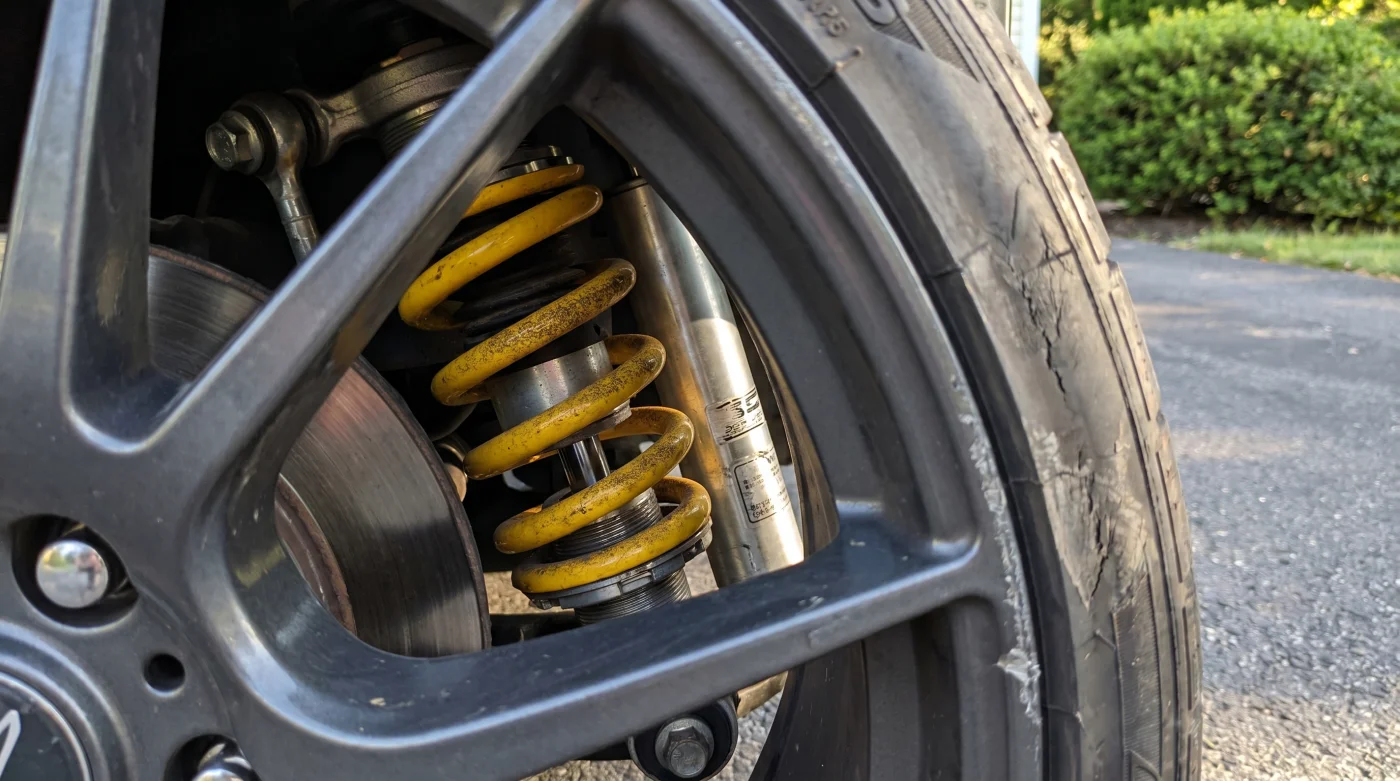
You look out at your car, knowing the exact weight of the steering and the way the chassis refuses to lean when you take a sharp corner at forty miles per hour. You paid extra for that sensation—specifically for the factory-installed performance suspension that makes the car feel alive. However, to the algorithm behind the screen, your vehicle is a series of binary choices. It sees the year, the make, and the mileage, but it is fundamentally deaf to the mechanical nuances that define its true worth in a driver’s market.
This digital convenience creates a hollowed-out valuation that favors the house. The algorithmic model used by giants like Carvana operates on high-volume averages, effectively sanding down the ‘peaks’ of your car’s value to ensure their profit margins remain wide. While they promise transparency, the code is designed to ignore the very hardware that makes your specific trim level a unicorn among workhorses.
The Digital Erasure of Mechanical Excellence
To understand why your offer feels insulting, you have to realize that an algorithm is not an appraiser; it is a risk-mitigation tool. It treats a car like a refrigerator with wheels, assuming that every vehicle of a certain trim is identical. This is the ‘Logic of the Mean.’ If the system sees a ‘Premium’ trim, it assigns a flat value based on historical auction data, completely ignoring the ‘Track Pack’ or ‘Magnetic Ride Control’ that added five thousand dollars to the original sticker price.
The algorithm lacks the sensory data of driving. It cannot feel the difference between a standard strut and a high-performance damper that keeps the tires glued to the pavement. Because these upgrades are often buried deep within sub-packages or optional ‘checks’ that the VIN decoder doesn’t prioritize, the system defaults to the lowest common denominator. You aren’t being paid for the car you own; you are being paid for the average version of the car the algorithm thinks you have.
- Cybertruck Wade Mode used inspections demand checking the battery pressure seal for failure
- Cybertruck Foundation Series secondary market prices collapse as reservation flippers flood dealership networks
- Ford F-150 PowerBoost hybrid mechanics completely eliminate the massive payload penalty EVs suffer
- Hyundai Palisade Calligraphy models secretly provide exact German flagship luxury under fifty thousand
- Ram Rumble Bee nostalgia masks how standard sport trims deliver identical mechanical performance cheaper
This creates a predatory vacuum. By offering a ‘convenient’ price that is five percent below actual market value, these platforms bank on your desire for a frictionless transaction. They are effectively purchasing your high-end hardware at a base-model discount, only to flip it to a discerning buyer who will pay the ‘enthusiast premium’ the algorithm pretended didn’t exist.
The Savannah Secret: Why Elias Bypasses the Bot
Elias, a sixty-one-year-old independent broker in Savannah, Georgia, spends his mornings nursing a lukewarm black coffee and scrolling through these same platforms looking for ‘mistakes.’ Last month, he found a 2021 pickup listed on a major site for a price that suggested it was a standard commuter. What the bot missed—and what Elias saw in the grainy third-party photos—were the telltale blue reservoirs of a factory Fox Racing suspension. The algorithm saw a ‘truck’; Elias saw three thousand dollars in hidden mechanical value.
Elias represents the ‘human friction’ that the tech industry wants to eliminate. He understands that a car’s value is found in its specific mechanical configuration, not just its odometer reading. He often tells his clients that ‘a computer can’t feel a car’s heartbeat.’ When he helps a seller, he doesn’t use a VIN decoder; he uses a build sheet. By identifying these overlooked factory upgrades, he consistently secures offers that are $2,500 to $4,000 higher than the ‘instant’ numbers generated by the big-box digital retailers.
The Forgotten Hardware: Where the Money is Lost
The gap between a digital offer and reality usually widens when specific, high-end mechanical components are involved. These aren’t just ‘features’; they are the backbone of the car’s longevity and performance. If you have any of the following, the algorithm is likely undercutting you significantly:
- Adaptive Dampers: Systems like GM’s MagneRide or Ford’s Continuously Controlled Damping are expensive to replace and highly coveted on the used market.
- Heavy-Duty Off-Road Packages: Factory lifts and specialized valving (like Bilstein or Multimatic shocks) are often bundled into ‘appearance packages’ by bots, missing the functional value.
- Self-Leveling Air Systems: Crucial for towing and luxury, these systems are frequently categorized as ‘standard suspension’ by simplified valuation models.
- Performance Sway Bars: These invisible steel components change the entire handling profile but carry zero weight in a standard digital appraisal.
Each of these components represents a physical asset with utility. When you sell to a high-volume platform, you are essentially donating these assets to their bottom line. A broker or a specialized private buyer sees these as ‘value-adds’; the algorithm sees them as ‘noise’ that makes the data harder to process.
The Tactical Appraisal: Reclaiming Your Value
Breaking the algorithmic spell requires a shift from passive selling to active documentation. You cannot expect a machine to find the value for you; you must force the value into the conversation. This requires a more mindful, slow-paced approach to the sale that prioritizes technical accuracy over speed.
Start by pulling your original Window Sticker (Monroney label). This document is your shield against the algorithm’s generalizations. It lists the specific RPO codes and packages that the VIN decoder might overlook. If you don’t have it, use your VIN to request a ‘Build Sheet’ from a local dealership. This paper trail turns a ‘feeling’ into a verifiable financial fact.
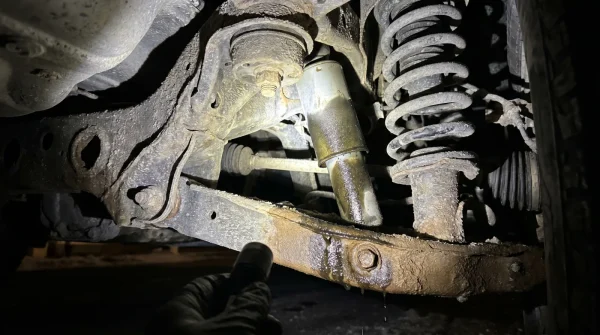
- Photograph the hardware: Don’t just take pictures of the seats; get down on the ground and photograph the shock absorbers, the control arms, and any ‘performance’ branding on the parts.
- Target the specialists: If your car has a premium suspension, seek out ‘specialty’ brokers or enthusiast-facing platforms like Cars & Bids or Bring a Trailer.
- Request a manual review: Many digital platforms have a ‘dispute’ or ‘manual appraisal’ option. Use it. Submit your build sheet and demand a re-valuation based on the specific MSRP of your suspension package.
- Measure the market: Look at ‘completed’ listings on auction sites for your specific configuration, not just ‘asking’ prices on generic car lots.
By treating the sale as a deliberate mechanical audit, you remove the algorithm’s power to devalue your assets. You shift the leverage back to the person who actually knows how the car drives: you.
The Wisdom of the Machine-Free Sale
In our rush toward a world of ‘instant’ everything, we have traded accuracy for speed. We allow a line of code in an office building in Arizona to tell us what the metal and rubber in our garage is worth. But value is not a static number; it is a reflection of the care, engineering, and specific choices made when the car was first ordered from the factory.
Mastering this detail—knowing exactly what components are hidden beneath your fenders—offers more than just a higher check. It offers the peace of mind that comes from not being ‘handled’ by a predatory system. When you refuse the low-ball offer of an algorithm and hold out for a price that respects the mechanical integrity of your vehicle, you are reclaiming a piece of your own autonomy. You are reminding the market that some things are too heavy, too complex, and too important to be valued by a machine that has never felt the road.
“An algorithm knows the price of everything and the value of nothing when it comes to the mechanical soul of a machine.”
| Suspension Type | Algorithm Treatment | Added Value to Reader |
|---|---|---|
| Magnetic Ride Control | Standard Premium Trim | +$1,500 – $2,500 Resale Premium |
| Multimatic DSSV Shocks | Generic Off-Road Package | High Enthusiast Demand / Rare Hardware |
| Factory Air Suspension | Safety/Comfort Option (Ignored) | Critical for Towing / High Utility Value |
Can an algorithm see my aftermarket suspension upgrades?
Typically, no. Most instant-offer platforms only value factory-original equipment and may actually deduct value for aftermarket parts as they complicate their ‘standard’ reconditioning process.Why does my VIN not show my specific suspension package?
VIN decoders often only identify the ‘base’ chassis. Optional packages are often added as secondary codes that require a full dealer-level build sheet to see.Are independent brokers better for high-end trims?
Yes. A human broker understands the ‘market heat’ for specific mechanical packages and will often pay a premium for hardware that an algorithm ignores.Should I clean my suspension components before photographing them?
Absolutely. Clear, visible branding on shocks (like the Bilstein or Fox logo) provides visual proof of value that can be used to manually override a low digital offer.Does mileage negate the value of a premium suspension?
While wear matters, a high-end suspension system retains more ‘core’ value than a base system because the components are often rebuildable or higher-grade by design.