The faint, sweet smell of heated engine oil mixes with the crisp autumn air of a suburban garage. You twist the key of your Mazda 3, expecting that signature, eager hum. Instead, you get a slight stumble, a momentary hesitation that vanishes as the needle settles. It feels tiny, almost imperceptible, like a cold morning throat-clear.
For years, dealership pamphlets promised that modern engineering had cured the old ills of motoring. Fuel injection was supposed to be a self-cleaning miracle, a hands-off masterpiece where gasoline washed away all carbon. You trusted the maintenance schedule because the dashboard lights remained dark and the exhaust smelled clean.
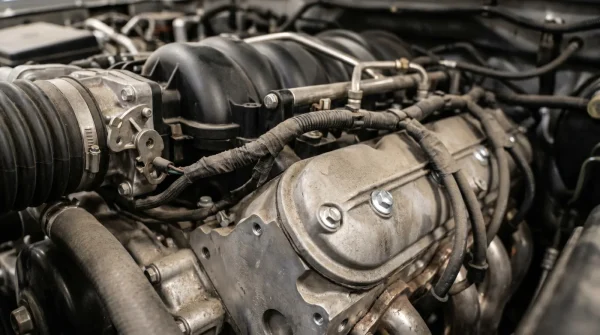
But pull off the plastic engine cover, unbolt the intake manifold, and peer down into the dark aluminum passages of a Skyactiv-G engine. The reality is far from pristine. What you find is a thick, tar-like crust clinging to the delicate stems of the intake valves. It looks like charcoal baked onto a neglected backyard grill.
This is the silent tax of modern efficiency, a physical consequence of direct injection that no fuel-additive pour-in bottle can ever touch. The engine is slowly choking, breathing through a thick woolen blanket, while the computer works overtime behind the scenes to hide the struggle from your steering wheel.
The Myth of the Self-Cleaning Machine
Imagine trying to sprint while breathing through a wet pillow. That is the exact reality of a direct-injection engine suffering from carbon buildup. In older multi-port fuel injection systems, gasoline was sprayed before the intake valve, constantly washing the metal clean like a steady stream of solvent.
The Skyactiv design shifts this process entirely, spraying fuel directly into the combustion chamber to squeeze out every drop of thermal efficiency. The intake valves never touch a single drop of fuel. Instead, they are blasted by hot, oily crankcase vapors recirculated by the emissions system, baking into a hard carbon shell over time.
- New car buyers abandon traditional dealership lots for hidden wholesale auto broker networks
- Wisconsin Department of Transportation data exposes hidden salt corrosion zones used buyers ignore
- Ford stock fluctuations reveal massive local dealership markups on highly allocated performance trims
- Newest electric cars face catastrophic cold weather payload penalties hybrid trucks completely avoid
- Mazda crossover base trims offer identical acoustic glass isolation to German luxury SUVs
A Whisper from the Service Bay
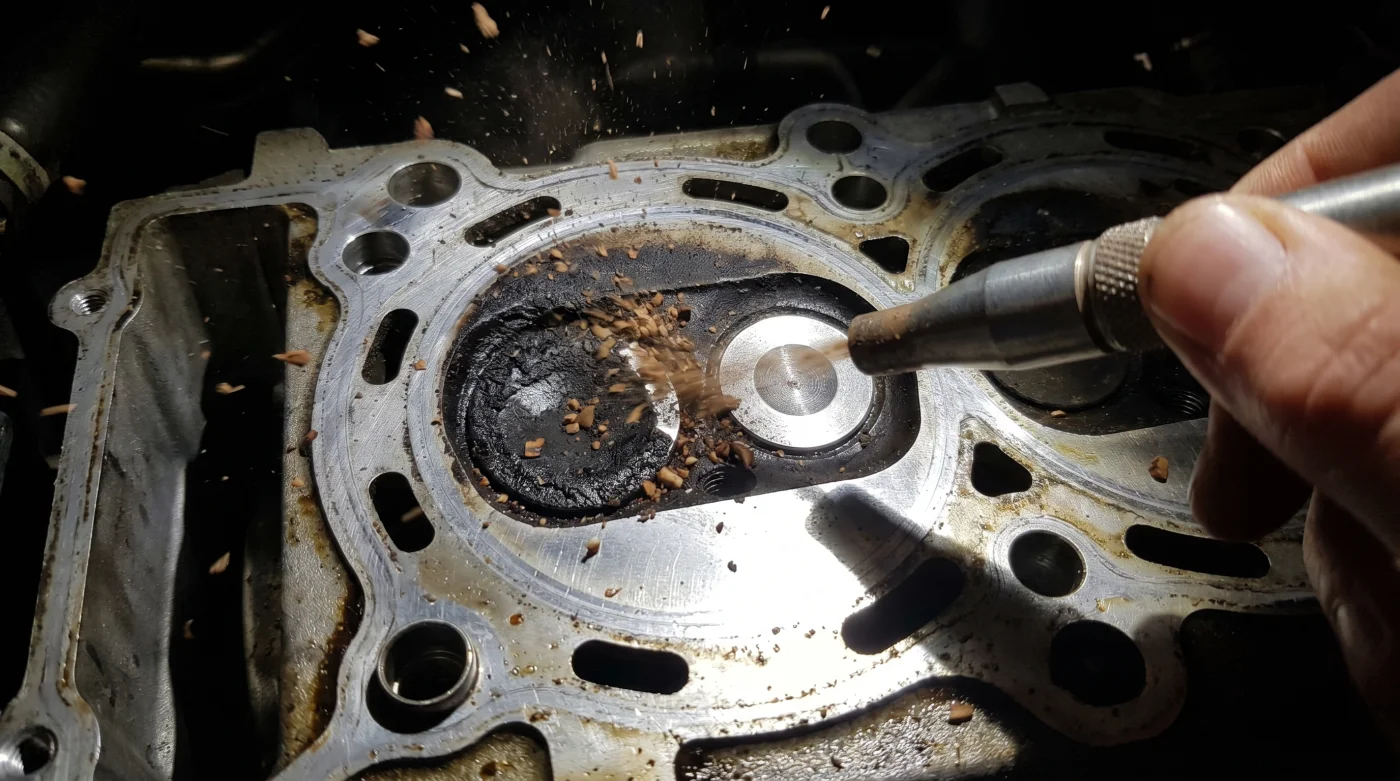
Take Marcus Vance, a forty-two-year-old master technician in Cincinnati who has spent two decades coaxing performance out of Japanese engines. He recalls a sleek CX-5 that rolled into his bay at ninety-two thousand miles, its owner complaining of a mysterious drop in highway fuel economy and a rough idle on cold mornings. Marcus popped the intake, showed the owner the choked ports, and spent an afternoon walnut-blasting the valves back to bare silver. The owner drove away claiming the vehicle felt like it had just left the showroom floor, clear proof that physical cleaning beats any chemical shortcut.
How Your Driving Style Shapes the Crust
The Short-Trip Commuter
If your daily drive is a three-mile crawl to the local train station, your engine rarely reaches its optimal operating temperature. This low-heat environment accelerates the accumulation of soft, sticky carbon deposits that harden overnight.
The Highway Cruiser
Long stretches of highway driving help to some degree, as sustained heat can burn off loose oil vapors before they settle. However, even the most diligent interstate driver will face inevitable restriction by the time the odometer crosses the eighty-thousand-mile mark.
The Spirit-of-Driving Purist
Those who regularly explore the upper limits of the tachometer—the classic “Italian tune-up”—will delay the worst of the buildup. Yet, even high-RPM blasts cannot entirely outrun the physical reality of oil mist meeting a dry, hot intake valve.
The Art of Walnut Blasting
Resolving this restriction is not a job for aerosol spray cans or aggressive driving. It requires a gentle, mechanical scrubbing using pressurized, crushed walnut shells that shatter carbon without harming the delicate aluminum cylinder head.
The process must be methodical, ensuring that each cylinder’s valves are completely closed before you begin blasting. This prevents any abrasive media from entering the combustion chamber and scoring the cylinder walls.
- Remove the intake manifold carefully to expose the intake ports.
- Rotate the crankshaft manually until the intake valves of the target cylinder are fully sealed.
- Tape off adjacent ports to prevent stray media from entering open cylinders.
- Blast the valves using fine-grit walnut media at moderate pressure until the metal shines.
- Vacuum the residue completely before moving to the next cylinder.
The proper tools make all the difference between a successful restoration and a costly towing bill. Your tactical kit should include a specialized vacuum adapter shaped specifically for the Mazda Skyactiv port to capture every stray shell fragment.
Tactical Toolkit
- Media Blaster: Hopper-style blaster rated for 90 to 110 PSI.
- Blasting Media: Fine-grade walnut shells (20/40 grit).
- Port Adapter: 3D-printed or aluminum Skyactiv-specific vacuum bypass.
- Safety Gear: Sealed goggles and a dual-cartridge respirator.
Restoring the Breath of the Machine
Caring for an engine at this level shifts your relationship with your vehicle from passive ownership to active stewardship. When you clear away the physical blockages that choke its breathing, you restore the precise air-fuel ratios that the engineers originally designed.
The rewards are felt immediately in the crispness of the throttle response and the smooth, quiet hum of the engine at a red light. It is a return to the pure, tactile joy of driving that made you choose a Mazda in the first place, ensuring its survival long past the hundred-thousand-mile milestone.
A clean intake valve is the foundation of engine efficiency; neglecting it is like forcing an athlete to run a marathon in a winter coat.
| Key Point | Detail | Added Value for the Reader |
|---|---|---|
| Direct Injection Side Effect | Fuel bypasses intake valves completely | Clarifies why fuel additives are useless. |
| Walnut Blasting | Uses soft organic media under pressure | Restores performance without scratching engine metal. |
| Clean Interval | Recommended before 100,000 miles | Prevents permanent valve seat damage and misfires. |
Frequently Asked Questions
Can I use premium fuel to prevent this carbon buildup?
No, because direct injection sprays fuel directly into the cylinder, meaning premium gas never touches the intake valves to clean them.What are the first warning signs of choked valves?
Look for a rough idle when cold, a slight hesitation under light acceleration, and a gradual drop in fuel economy.Will walnut shells damage my aluminum cylinder head?
No, walnut shells are softer than aluminum, allowing them to blast away carbon without scratching the metal.How often should this cleaning service be performed?
For optimal longevity, plan to perform a manual valve cleaning every 75,000 to 90,000 miles.Can chemical spray cleaners solve severe carbon buildup?
Chemical sprays only soften light, oily residue; they cannot dissolve thick, baked-on carbon without risking engine damage from breaking off large chunks.