The air inside a classic garage carries a specific weight. It is a thick cocktail of cooling cast iron, unburnt high-octane fuel, and the faint, sweet scent of aging leather. When you turn the key in a 1965 Mustang or a vintage Jaguar E-Type, the car does not just turn on; it wakes up. The starter motor whines with a metallic strain before the engine catches, sending a rhythmic shudder through the steering column that settles into your palms like a heartbeat. There is a physical conversation happening between the mechanical tolerances of the valves and the atmospheric pressure of the morning air.
You might have seen the growing trend of ‘Electromods’—taking these aging icons, ripping out their internal organs, and stuffing them with lithium-ion cells and silent motors. On paper, it looks like a rescue mission. You get the timeless silhouette without the leaks or the finicky carburetors. But as you pull away from the curb in a converted classic, the silence is the first red flag. It feels less like a car and more like a high-end refrigerator on wheels. The feedback is gone, replaced by a synthetic, linear surge of torque that the original engineers never accounted for in their blueprinted sketches.
Jay Leno, perhaps the most recognizable voice in the world of automotive preservation, has begun to voice a quiet but firm warning. For a man who owns everything from steam cars to the latest hypercars, his critique is not about a hatred for electricity. It is about integrity of the chassis. He argues that when you strip the soul out of a vintage machine to make it ‘easier’ to live with, you aren’t actually driving a classic anymore. You are driving a heavy, confused ghost of a car that no longer knows how to communicate with the road.
The Ballerina in Lead Boots
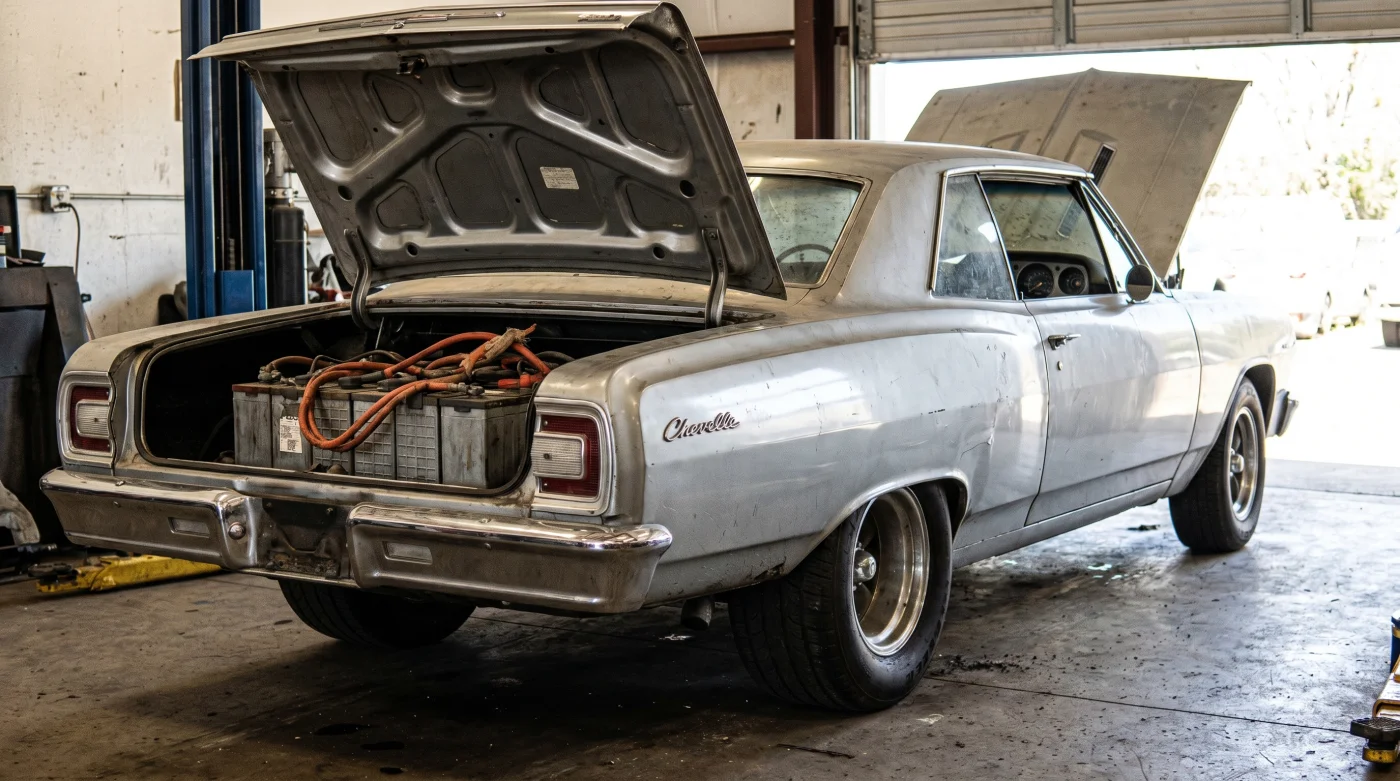
To understand why this matters, you have to look at a car as a balanced ecosystem rather than a collection of parts. A classic sports car was designed around the weight of its engine—a specific mass sitting over the front or rear wheels. Every spring rate, every bushing, and the very thickness of the steel frame was calculated to handle that specific load. When you swap a 400-pound aluminum engine for 1,200 pounds of batteries, you are fundamentally breaking the physics of the machine. It is the equivalent of asking a prima ballerina to perform a Swan Lake solo while wearing lead-soled work boots.
- FCA US 2019-2023 recall exposes severe adaptive cruise control anomalies causing highway phantom braking
- 2026 Cadillac Escalade lease deals mask a massive commercial weight tax exemption for buyers
- Honda EV sales slump proves premium brand pricing fails against heavily discounted budget models
- Hertz Shelby Mustang Mach E rentals expose severe tire degradation under real-world driving conditions
- Truck accident lawyer searches spike as new FMCSA commercial driving exemptions alter fleet liability
The central metaphor here is the ‘Pendulum Effect.’ Most EV conversions struggle with packaging. Because classic cars lack the ‘skateboard’ chassis of a modern Tesla, installers end up cramming battery modules wherever they fit—usually half in the trunk and half under the hood. This creates a massive polar moment of inertia. Instead of the car rotating gracefully around its center, the heavy extremities want to keep swinging once they start moving. You turn the wheel, the nose tucks in, but the heavy tail keeps pushing, turning a nimble Sunday cruiser into a stressful exercise in physics management.
Gary, a 64-year-old master technician in a specialized shop outside of Los Angeles, recently shared a story about a client’s converted 1970s European roadster. On the highway, the car was fast, but on a winding canyon road, the increased weight caused the original steering rack to flex under the strain. The client thought they were buying reliability and modern performance, but what they received was a car that felt like it was breathing through a pillow—muffled, heavy, and perpetually exhausted by its own mass.
The Lightweight Trap and Heavy Compromises
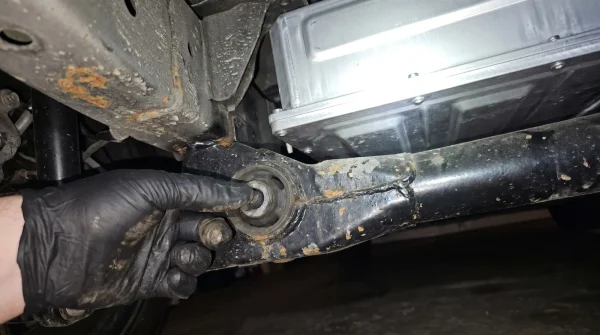
Different cars react to this weight gain in various ways, and none of them are particularly graceful. For the Purist, the loss of the ‘gear-shift cadence’ is the primary sin. The mechanical joy of matching revs on a downshift is replaced by a digital slider. For the enthusiast, however, the real tragedy is ‘Scrub.’ Because of the extra 800 to 1,000 pounds, the tires are constantly pushed past their intended grip levels. You find yourself replacing bushings and ball joints every few thousand miles because they were never built to support the weight of a modern SUV inside a compact sedan body.
- The Unibody Risk: Many 1960s cars use unibody construction where the roof and floor provide the strength. Adding heavy battery boxes can cause the body to sag or doors to misalign over time.
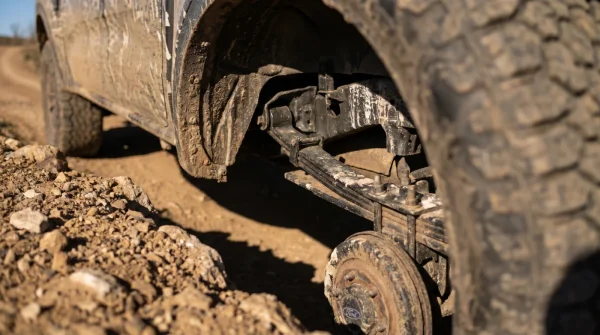
- The Suspension Struggle: Original geometry often can’t be adjusted enough to compensate for the lower ride height caused by battery weight, leading to ‘bump steer.’
- The Braking Deficit: Most conversions keep the original drum or small disc brakes, which are woefully inadequate for stopping an extra half-ton of momentum.
A Mindful Path to Preservation
If you truly love the aesthetic of the past but fear the reliability of vintage mechanics, the solution isn’t to replace the heart—it’s to refine it. True preservation is a series of small, mindful actions that respect the original design. Instead of a $50,000 EV swap, consider a precision electronic ignition system and a modern fuel-injection throttle body that hides under the original air cleaner. This maintains the weight, the sound, and the balance while removing the ‘will-it-start’ anxiety of a cold morning.
Your tactical toolkit for keeping a classic ‘analog’ should focus on modern materials, not modern powertrains. Use synthetic lubricants that reduce friction, high-quality radial tires that mimic vintage bias-ply looks, and upgraded cooling systems. These changes are reversible and respectful to the chassis dynamics that Jay Leno warns are being lost. You want to feel the road through the rim of the wheel, not have a computer filter it out for you.
- Thermal Management: Invest in a high-efficiency radiator to handle modern traffic idling.
- Fluid Integrity: Use modern seals and gaskets to stop the ‘marking of territory’ common in old garages.
- Bushings: Swap old rubber for modern polyurethane to sharpen the steering without adding weight.
The Ghost in the Machine
Mastering a classic car is about more than just getting from point A to point B. It is about the friction, the noise, and the specific way the nose rises when you accelerate. When we electrify these cars, we aren’t saving them; we are taxidermying them. We keep the skin but lose the spirit. There is a peace of mind found in understanding a purely mechanical system—knowing that if something breaks, it’s a matter of nuts and bolts, not a proprietary software glitch in a battery management system.
The ultimate luxury in our digital age is the ability to disconnect. A classic car is one of the few places left where you can be truly analog. By keeping the original engine and respecting the chassis dynamics, you preserve a tactile history that no amount of lithium can replicate. You aren’t just a driver; you are a caretaker of a specific vibration that existed long before screens dominated our lives. Listen to the engine, feel the weight shift in the corners, and let the car speak to you in its original, unvarnished tongue.
“You can’t improve a classic by making it silent; you only make it forget its name.” — Jay Leno
| Key Point | Detail | Added Value for the Reader |
|---|---|---|
| Weight Distribution | Batteries create a high polar moment of inertia in old frames. | Explains why ‘fast’ converted cars often handle poorly in turns. |
| Chassis Fatigue | Vintage steel is stressed by 30-50% more weight than intended. | Prevents expensive structural damage to your investment. |
| Mechanical Soul | Loss of engine vibration and gear-shifting tactile feedback. | Encourages preservation of the car’s unique personality. |
Why does Jay Leno think EVs ruin classics? He believes the weight of batteries destroys the delicate balance and handling that made those cars famous. Can’t I just upgrade the springs? You can, but you can’t easily change the center of gravity or the stress on the chassis welds. Is there a middle ground? Yes, ‘restomodding’ with modern fuel injection keeps the original weight while improving reliability. What is the ‘Pendulum Effect’? It’s when heavy batteries at the front and back make the car harder to stop from swinging in a turn. Will an EV swap hurt my car’s value? For rare models, yes; most collectors prefer the original ‘numbers-matching’ mechanicals over a conversion.