The desert morning smells like sun-baked sage and the faint, metallic tang of cold stainless steel. You sit in the driver’s seat of a truck that looks more like a low-polygon dream than a piece of heavy machinery, watching the air suspension hike the chassis upward with a rhythmic, mechanical sigh. There is a specific quietness to a morning on the trail, a stillness broken only by the hum of the cooling fans. You tap the screen, engaging Wade Mode, and a message appears about pressurizing the battery pack. It feels like science fiction, a promise that you are now captain of a vessel rather than just a driver.
As you nose the front bumper into the creek, the water is a shock of crystal cold against the tires. You feel the weight of the truck settle, the tires searching for grip on the slick stones below. For a moment, the marketing echoes in your mind—the idea that this machine can serve briefly as a boat. The water rises, lapping against the doors, and the truck moves with a heavy, confident grace. But beneath your feet, physics is staging a silent, invisible coup against the gaskets meant to keep the high-voltage heart of this machine dry.
The air inside the cabin is climate-controlled and sterile, but outside, the heat of the drive is meeting the sudden chill of the stream. You might feel invincible behind the yoke, but the battery pack is currently performing a delicate, high-stakes dance with atmospheric pressure. It is a moment of pure friction between the rugged image projected by a brand and the uncompromising laws of thermodynamics that govern every seal and bolt on the chassis.
The Vacuum of Cold Water: A Perspective Shift
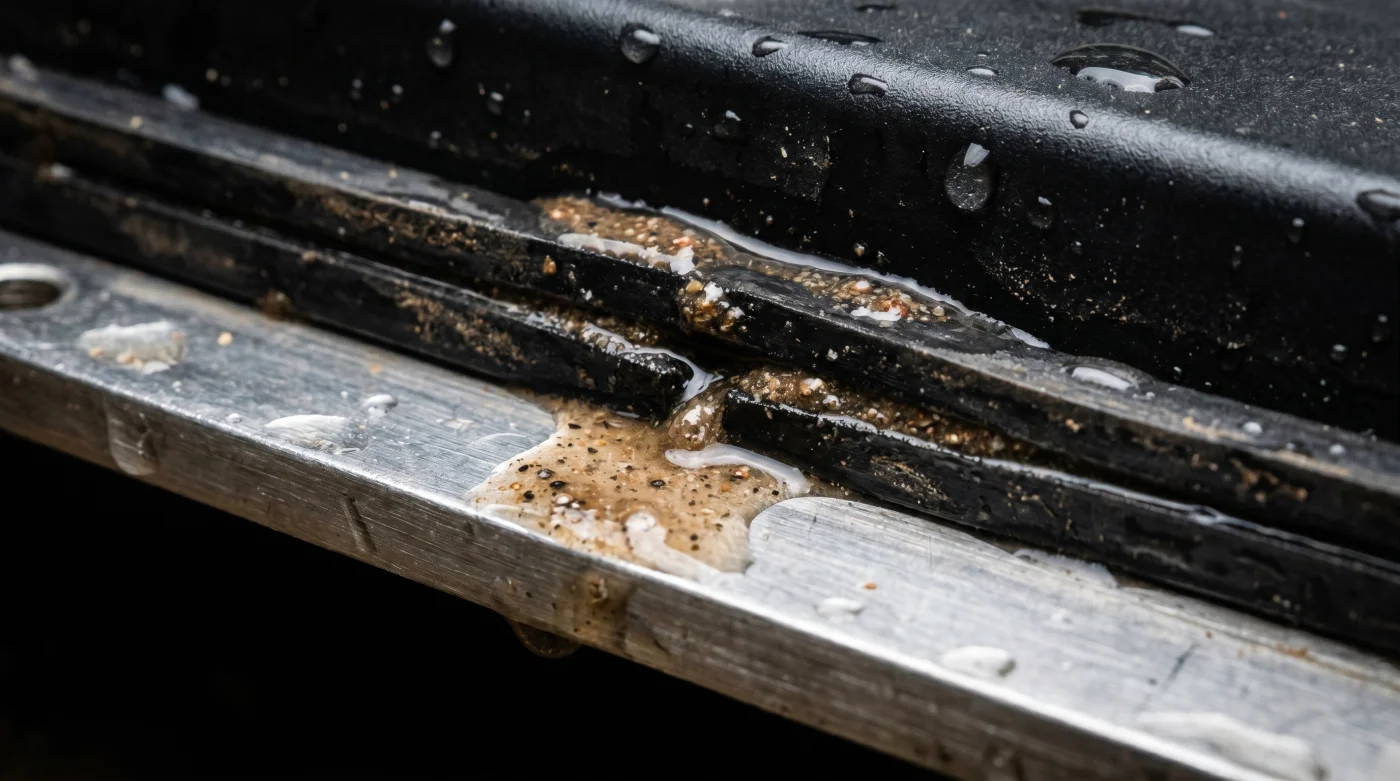
When we talk about off-roading, we usually focus on ground clearance or torque, but the real enemy of the modern EV is the thermal pressure differential. Imagine your battery pack is a giant, metal lung. During a long drive to the trailhead, that lung gets hot. The air inside expands, and some of it escapes through breather valves. When you suddenly plunge that hot metal box into a cold river, the internal temperature plummets. The air inside shrinks rapidly, creating a vacuum. If the Wade Mode’s pressurization system isn’t perfectly synced, that vacuum will act like a straw, sucking creek water through the very seals meant to keep it out.
- Motorcycle accident attorney searches surge exposing a terrifying flaw in automated lane-keep assist
- Jeep Scrambler SRT confirmation sparks immediate inventory shortages for remaining Mopar performance suspension parts
- GM ends Silverado HD production triggering sudden market shifts in used diesel towing valuations
- Ram Rumble Bee allocations wipe out dealer stock overnight as specific V8 trims surge
- Uhaul Peterbilt commercial 10-year testing proves significantly cheaper maintenance than modern Freightliner alternatives
Understanding the system means realizing that a gasket isn’t a wall; it is a flexible boundary. In these moments of extreme temperature shifts, the gasket should tremble under the strain of the pressure imbalance. While the truck attempts to pump air into the pack to counteract this, the speed of the cooling effect often outpaces the compressor’s ability to maintain a positive pressure. You aren’t just driving through water; you are asking a pressurized vessel to resist a sudden, violent contraction that wants to pull the outside world in.
The Salvage Yard Secret
I spoke with Elias, a 48-year-old master technician in Austin who specializes in EV teardowns. He showed me a pack from a truck that had only seen ‘light’ water crossings. Inside, there wasn’t a flood, but a fine misting of dried silt along the busbars. Elias calls it ‘the slow ghost.’ He explained that most owners don’t realize their battery is breathing through a pillow of compressed air that can fail if a single solenoid sticks. One small mechanical hiccup and that pressure differential turns a minor splash into a long-term corrosion event that the owner won’t notice for months.
Adaptation Layers: Who Is at Risk?
For the Weekend Explorer
If you’re taking the truck through shallow crossings on a Saturday, you face the ‘splash-zone’ risk. This isn’t about submersion but about the sudden shock of cold water hitting the battery’s belly pan. Even if you aren’t deep enough to trigger Wade Mode’s full logic, the rapid cooling can still cause localized pressure drops near the rear motor seals. You should always allow the truck to ‘rest’ for ten minutes near the water to let component temperatures stabilize before entry.
For the Overlander
For those pushing into deep, sustained crossings, the risk is structural. At these depths, the weight of the water itself adds hydrostatic pressure to the thermal vacuum. You are relying entirely on the integrity of the main pack gasket. If you have any aftermarket modifications that have nicked the underbody shielding, you have essentially provided a highway for moisture. For you, Wade Mode isn’t a feature; it’s a temporary shield with a ticking clock.
The Survivalist’s Reality
If you actually believe the ‘boat’ claim, you are playing a dangerous game with chemistry. Saltwater or brackish marsh water is significantly more conductive and corrosive than mountain streams. Entering these environments ignores the fundamental vulnerability of the high-voltage architecture. No amount of software-driven air pressure can fully negate the capillary action of salt spray once a seal has been stressed by a thermal cycle.
Mindful Application: Your Tactical Toolkit
Safe water crossing in a heavy EV requires more than just a button press. It requires a quiet, focused assessment of the terrain and the vehicle’s current state. You have to treat the truck as a living system that needs time to adjust to its environment. Before you even touch the water, consider these steps to ensure your battery remains a dry sanctuary:
- Temperature Equalization: Park near the water for 10-15 minutes. This reduces the ‘thermal shock’ when the hot battery casing hits the cold stream.
- Visual Seal Audit: Check the perimeter of the battery tray for any hanging debris or signs of impact that might have compromised the gasket’s seat.
- Post-Wade Drainage: After exiting, park on a slight incline. This allows water trapped in the skid plate channels to exit, preventing it from ‘pooling’ near sensitive connectors.
- The 10-Minute Rule: Wade Mode takes time to fully pressurize. Do not enter the water the second the icon turns blue; give the compressor a few extra minutes to stabilize the internal atmosphere.
Keep a close eye on your energy consumption screen immediately after a crossing. A sudden spike in stationary draw can sometimes indicate the thermal management system is working overtime to dry out external sensors, or worse, dealing with an internal fault.
The Bigger Picture: Beyond the Hype
Mastering these details isn’t just about protecting a resale value; it’s about reclaiming your peace of mind in the wilderness. There is a specific kind of anxiety that comes from wondering if your $100,000 adventure rig is currently corroding from the inside out. When you move past the marketing jargon and understand the physical reality of thermal pressure, you stop being a passenger to the manufacturer’s claims and start being an informed steward of your machine.
Ultimately, the Cybertruck is a marvel of engineering, but it is still bound by the same iron laws as a 1940s tractor. Water wants to go where it isn’t invited. By acknowledging the vulnerability of the battery seals, you gain the freedom to explore without the looming shadow of a ‘slow ghost’ in your high-voltage system. True capability isn’t found in a ‘boat mode’ toggle; it’s found in the driver’s ability to respect the thin, trembling line between a dry circuit and a total loss.
“The most expensive sound in an electric vehicle is the silent ingress of water where the engineers promised it could never go.”
| Crossing Phase | Physical Risk | Driver Advantage |
|---|---|---|
| Entry | Thermal Shock / Vacuum Suction | Waiting for temp stabilization prevents seal ‘gasps’. |
| Mid-Stream | Hydrostatic Pressure | Maintaining steady speed keeps a ‘bow wave’ away from vents. |
| Exit | Liquid Retention | Inclined parking clears the underbody ‘pockets’ of standing water. |
Is Wade Mode actually safe for deep water? While it provides air pressure to the pack, it is a temporary measure and doesn’t turn the truck into a submarine; limits should be respected. Can I see if water got in? Not easily; usually, you have to wait for an isolation fault code, which is why prevention is the only real strategy. Does the warranty cover water damage? It’s a gray area; most manufacturers exclude damage caused by ‘off-road use’ or ‘submersion’ despite the marketing. What is a thermal pressure differential? It’s the physics of hot air shrinking when cooled, creating a vacuum that pulls external fluids into the battery pack. How long can I stay in Wade Mode? The system usually times out after 30 minutes, but you should minimize your time in deep water to the absolute shortest duration possible.