The air in the garage at dawn is always cold, smelling of stale gasoline, damp concrete, and the sharp bite of raw aluminum. You run your hand over the hand-rolled fender of the Ford V8 AC Cobra Coupe, feeling the cool metal transition from a soft curve into an aggressive, sweeping fastback. On paper, this silhouette is the pinnacle of American-Anglo motorsport cooperation—a shape forged in the heat of a desperate war against European dominance on the track. We expect historic racers to be perfectly balanced, surgical instruments built by designers who understood every whisper of wind.
The reality is much rougher, louder, and infinitely more terrifying. Underneath the gleaming paint and the thunder of the small-block Ford V8 lies a physical paradox. At low speeds, the car feels glued to the asphalt, its heavy steering transmitting every pebble directly into your palms. But as the needle climbs, the machine begins to lie to you, whispering that it wants to escape the earth entirely.
By the time the tachometer sweeps past 4,000 RPM in fourth gear, the steering wheel in your hands starts to lose its weight, turning soft and unnervingly light. It is a sensation like driving on wet ice, yet the track is bone dry. This is not mechanical failure; it is a fundamental aerodynamic design oversight that nearly cost several legendary drivers their lives before the team realized they had accidentally built an airplane wing with wheels.
The Wings of Shelby: A Wing in Disguise
To understand why the Cobra Coupe behaves this way, you have to look at the front-end geometry through the lens of fluid dynamics. The classic Cobra roadster was a brick, drag-heavy but predictable because air spilled over the open cockpit. When designer Peter Brock wrapped that chassis in a sleek, low-drag coupe body to chase high speeds, the goal was simple: reduce drag and increase top speed. However, early calculations treated the car like a simple projectile rather than an inverted airfoil.
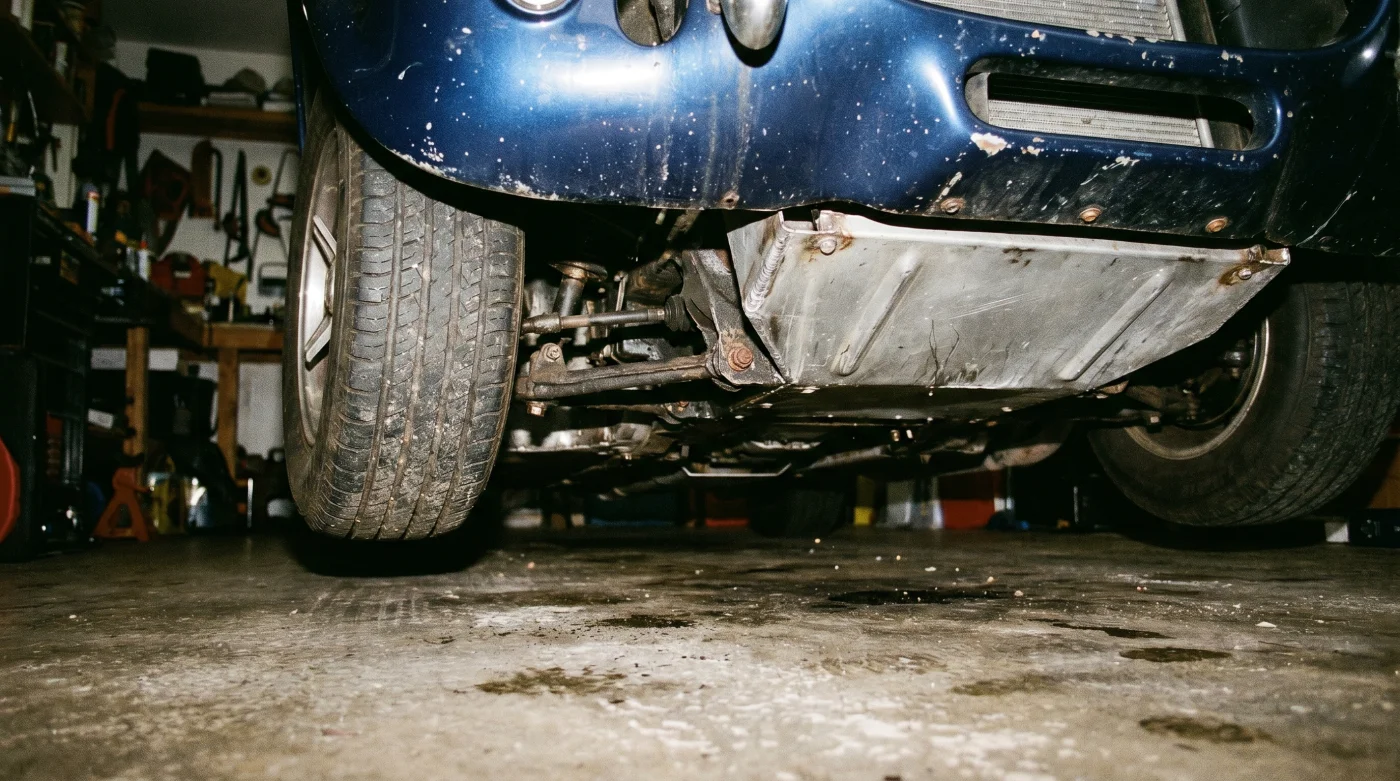
The bulbous, rounded nose of the Cobra Coupe, combined with a flat, sealed underbody and a complete lack of dedicated nose venting, created a high-pressure zone right under the front axle. Air entered the gaping mouth of the radiator grille with nowhere to escape but downward under the oil pan. This trapped air column lifted the front wheels off the tarmac, turning high-speed asphalt sweepers into high-altitude tightropes.
- Newest electric cars suffer a dangerous touchscreen layout trend hiding basic controls
- Tesla Model 3 tire pressure settings expose a harsh factory calibration error
- Toyota Tundra recall notices trigger automatic insurance rate hikes unless contested directly
- AC Cobra coupe revival uses active aerodynamic panels hidden beneath carbon bodywork
- Dodge Viper successor leaks confirm a naturally aspirated hybrid V8 drivetrain
Ken Miles himself, testing an early configuration, reportedly came into the pits with white knuckles and a quiet, grim look on his face. Gary Vance, a 74-year-old retired Shelby chassis technician who worked in the Venice, California shop during the winter of 1964, recalls the frantic midnight modifications. “We did not have wind tunnels; we had piece-rate yarn taped to the fenders and a chase car with a camera,” Vance says. “Above 120 miles per hour, the yarn on the hood did not lay flat—it stood straight up, showing that the air was tumbling and lifting the entire front end right off the suspension stops.”
Anatomy of the Float: Three Historic Profiles
The pure 1964 Le Mans aerodynamic profile featured a completely closed nose section save for the main radiator opening. This setup excelled in a straight line up to 110 mph, but once it crossed the critical threshold, the front-end lift exceeded 150 pounds of upward force. This caused a terrifying front-wheel float that made minor mid-corner corrections nearly impossible.
To combat this, Peter Brock and his team hastily cut exhaust vents behind the front wheel wells and sliced exit slots into the top of the hood. This allowed trapped pressure to escape from the engine bay, reducing front lift by roughly forty percent and keeping the front tires in contact with the road during high-speed runs.
Today, continuation models and high-end historic racers must balance vintage accuracy with modern safety. Savvy builders hide modern splitter plates beneath the front valance and use subtle, blacked-out fender liners to channel air away from the tire cavities without disrupting the classic, unblemished exterior lines.
Taming the Wind: The Mindful Aerodynamic Fix
Adjusting a historic vehicle’s behavior is not about bolted-on fiberglass wings or modern carbon fiber spoilers. It requires a delicate, preservation-minded approach that honors the car’s original lines while addressing the high-speed lift. To keep your front tires firmly planted, you must manage how air exits the engine bay rather than how it enters.
The original radiator setup forced air over the engine block and down under the chassis, creating a cushion of lift. By ducting the radiator directly to hood vents, you allow that hot air to escape upward, creating a natural downforce effect.
- Check the nose rake: Ensure the front ride height is at least 0.75 inches lower than the rear to maintain a forward rake.
- Implement subtle fender ducting: Install period-correct aluminum louvers behind the front wheels to vent high-pressure air out of the wheel wells.
- Seal the radiator ducting: Use simple rubber baffling to force all incoming air through the radiator core and up through the hood exit.
- Maintain steering dampening: Use a period-correct, high-pressure steering damper to mask the micro-oscillations that occur when the front tires lose partial grip.
This subtle nose-down attitude helps prevent air from packing under the flat belly of the car. Additionally, running a slightly stiffer front rebound setting on your dampers can prevent the nose from lifting under hard acceleration when the V8 torque tries to pull the front end skyward.
The Poetry of Imperfection
In our modern era of computer-optimized supercars that use active aerodynamics to correct for every driver error, the raw mechanical danger of the Cobra Coupe is a reminder of what racing used to be. The high-speed float was not just an engineering error; it was a physical boundary that drivers had to negotiate with sheer nerve and sensitive fingertips. Respecting the machine’s limits means accepting that it will never ride like a modern sports car, but rather like a legendary warhorse that demands absolute respect.
Aerodynamics in the sixties was a black art practiced with tin snips and hope, where a beautiful line often hid a dangerous secret.
| Key Point | Detail | Added Value for the Reader |
|---|---|---|
| Front-End Lift | Heavy lift above 120 mph due to flat belly and round nose. | Explains why vintage steering feels dangerously light at high speeds. |
| Hood Ducting | Cutting exhaust slots behind the radiator core. | Redirects high-pressure air upward, creating genuine mechanical downforce. |
| Nose Rake Adjustment | Dropping the front suspension by 0.75 inches. | Keeps air from packing under the chassis, stabilizing the steering wheel. |
Frequently Asked Questions
Why does the Ford V8 AC Cobra Coupe float at high speeds?
The rounded nose and sealed underbody trap air inside the engine bay and under the chassis, creating a wing-like lifting force that lightens the front wheels.At what speed does the aerodynamic lift become dangerous?
Drivers historically reported a noticeable loss of steering feel and front-wheel contact starting at approximately 120 miles per hour.Did Peter Brock design the car with this lift flaw?
The car was designed before wind tunnel testing was common; the focus was purely on reducing drag, which accidentally created lift.Can you fix the aerodynamic lift without ruining the styling?
Yes, by using subtle nose rake adjustments, hidden radiator ducting, and period-correct fender louvers that vent high-pressure air.How does nose rake help stabilize a classic Shelby Cobra?
Angling the nose slightly downward prevents high-velocity air from getting trapped under the flat belly, reducing upward lift.