The morning air in late October carries a sharp, metallic chill. You stand in the driveway, coffee mug warming your palms, watching the heavy tongue of a dual-axle trailer slowly descend onto a hitch ball. There is a quiet confidence built on decades of truck commercials showing steel frames absorbing loads with stoic indifference. But as the coupler locks, the rear end of the sleek, modern electric machine drops with an unsettling, rapid posture shift.
Instead of the progressive, muscular resistance you expect from a utility vehicle, the chassis sinks until the rear tires are nearly swallowed by the wheel arches. It is a silent, mechanical concession to the physical toll of gravity. The silent electric motor promises immense torque, but the chassis beneath it is already fighting a quiet, losing battle against its own internal organs.
This is the silent trade-off of the electric revolution. While marketing departments boast about lightning-fast sprint times and massive towing capacities on paper, they rarely mention the structural budget. When a vehicle carries a massive, dead-weight battery pack between its axles, it enters the world with its suspension already carrying a permanent, heavy burden before you even pack a single suitcase.
The Platform Shoe Metaphor: Why Dead Weight Ruined the Spring
To understand why the newest electric cars struggle with heavy cargo, you have to imagine training for a marathon while carrying a fifty-pound boulder in your arms. You might have the muscular strength to move forward, but your joints are constantly pre-loaded to their absolute limit. In the automotive world, this structural limit is called jounce travel—the distance a wheel can move upward before it hits the rubber bump stops.
A traditional combustion truck or a plug-in hybrid starts its day light on its feet. Its suspension is relaxed, sitting high in its stroke with five to seven inches of clean, progressive upward travel. When you drop a payload into the bed, the springs compress gradually, utilizing their full range to absorb bumps. The newest electric cars, burdened by two-thousand-pound battery packs, sit dangerously low in their suspension stroke even when empty. They operate with a mere two inches of remaining compression travel, leaving almost no margin for the dynamic forces of a bumpy highway.
When you hitch a trailer to a pure EV, that tiny margin vanishes instantly. The suspension bottoms out against its bump stops, turning a premium ride into a harsh, jarring experience where every pothole feels like a sledgehammer strike to the frame. This is where hybrid trucks offer a quiet masterclass in engineering balance.
The Veteran’s Secret: Marcus and the Lost Art of Suspension Stroke
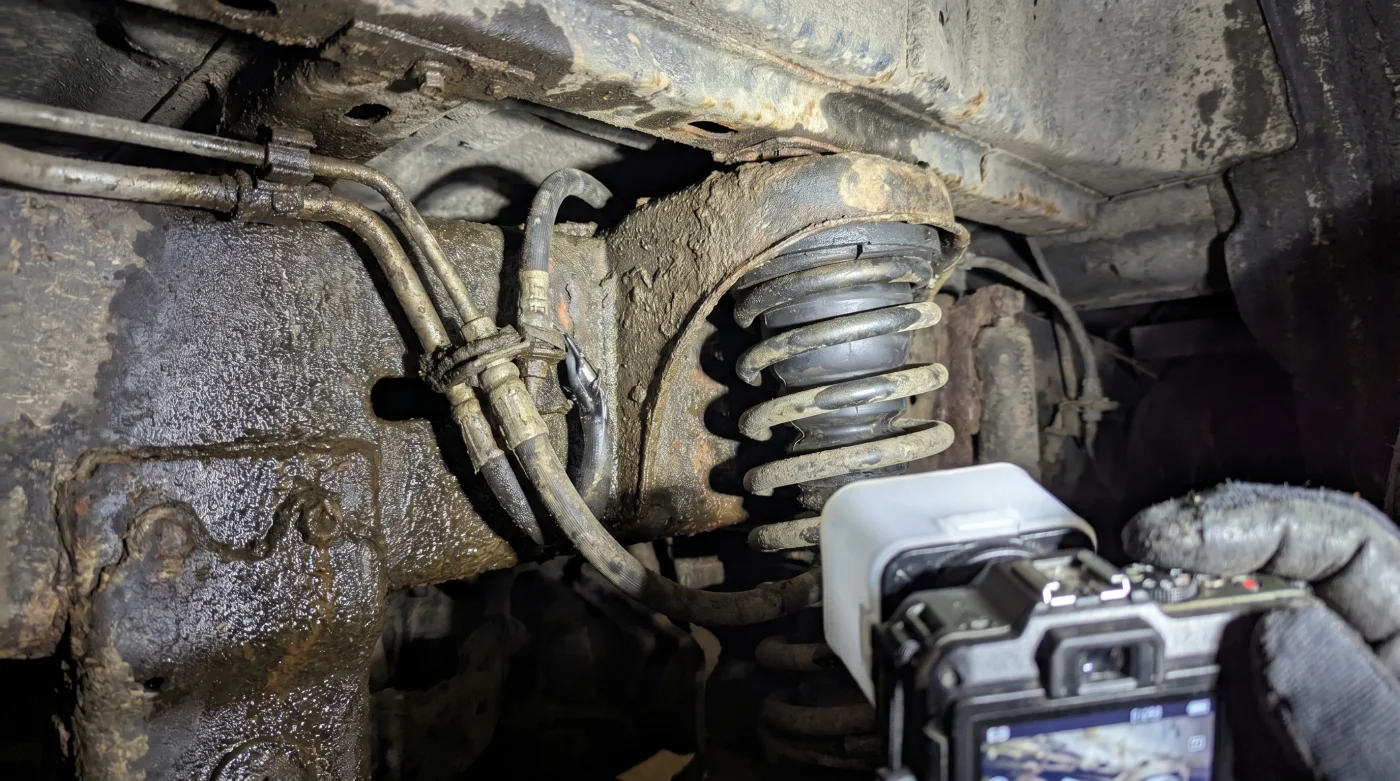
Marcus Vance, a fifty-two-year-old chassis calibration specialist who spent nearly three decades tuning leaf springs and air bags in Detroit, remembers when utility was measured in inches of steel, not pixels on a screen. “We used to design suspensions to breathe,” Marcus explains, holding up a worn rubber bump stop. “An EV is essentially breathing through a pillow. Because the battery pack is so heavy, the springs have to be incredibly stiff just to keep the car from scraping the asphalt. When you load them up, you aren’t riding on springs anymore; you are riding on these tiny rubber bumps. There is simply no room left for the chassis to do its job.”
- Superyacht depreciation curves deliver exact luxury flagship features under a million dollars
- Tesla Model Y standard trims hide a software lock masking premium acceleration
- Kawasaki sportbike owners destroy resale value by ignoring this exact chain tension
- Ford stock rallies after executives quietly shift production toward high-margin hybrid architectures
- Ford Bronco recall triggers a massive buyer panic over hidden steering failures
The Dual-World Divide: Tailoring Your Haul
Not every driver uses a vehicle the same way, and understanding how different propulsion systems handle weight under real-world conditions is key to choosing the right tool for your specific needs.
For the Remote Off-Grid Camper
If you haul heavy gear, portable generators, and water tanks into the backcountry, a pure electric vehicle can quickly become a liability. The combination of high payload and rough terrain will keep the suspension continuously bottomed out, risking structural damage to the battery housing. Here, a plug-in hybrid truck shines. By carrying a modest, lightweight battery pack alongside a traditional combustion engine, it preserves its physical suspension travel, allowing you to crawl over ruts and rocks without sending shockwaves through the passenger cabin.
For the Suburban Weekend Builder
For those quick trips to the local home improvement store for bags of concrete and wet lumber, the hybrid edge becomes undeniable. While an electric car might offer a front trunk for light groceries, a hybrid pickup retains its heavy-duty leaf springs. It handles half a ton of soil without flinching, maintaining its ride height and steering control because it isn’t already exhausted by the weight of a massive power source beneath the floorboards.
Calculating Your Sag Index: A Mindful Guide to Real Capacity
Before you hook up a trailer or pack your vehicle for a long journey, you need to understand the physical limits of your suspension. Managing payload isn’t just about reading a sticker on the door jamb; it is about observing how your vehicle interacts with the earth under load.
You can easily diagnose your vehicle’s load tolerance with a simple, three-step physical assessment that reveals exactly how much breathing room your suspension has left.
- Measure the Unloaded Fender Gap: Park on level ground and use a standard tape measure to find the distance from the top of the wheel rim to the edge of the fender arch.
- Load and Re-Measure: Apply your intended tongue weight or payload, then measure the exact same point to calculate the physical sag.
- Check the Clearance: If the gap has decreased by more than two inches, your suspension is likely resting on its bump stops, meaning your dampening system is no longer active.
Your tactical toolkit for this process is remarkably simple: a reliable steel tape measure, a tire pressure gauge to monitor sidewall deflection under load, and a basic understanding of your vehicle’s Gross Vehicle Weight Rating (GVWR).
The Path of True Utility
In the rush to adopt the latest technology, we often forget that the physical laws of the universe cannot be bypassed by software updates or clever marketing. A vehicle must first be a capable machine before it can be an efficient one. True utility is not about zero-to-sixty times; it is about the quiet confidence of knowing your vehicle can carry your life without buckling under the weight.
By choosing a plug-in hybrid truck, you are not rejecting the future; you are embracing a pragmatic, elegant compromise. You gain the efficiency of electric commuting for your daily routine while preserving the mechanical integrity, clearance, and suspension travel required to tackle real work when duty calls.
“True mechanical capability isn’t measured by what a motor can pull, but by what the chassis can comfortably carry over a broken road.” — Marcus Vance, Suspension Calibration Engineer
| Key Metric | Pure Electric Vehicles (EV) | Plug-In Hybrid Trucks (PHEV) |
|---|---|---|
| Empty Curb Weight | Extremely heavy due to 100+ kWh battery packs. | Moderate; utilizes a compact battery and lighter engine. |
| Available Jounce Travel | Limited (typically 2-3 inches of empty suspension travel). | Generous (typically 5-7 inches of active travel). |
| Ride Quality Under Load | Harsh; frequently bottoms out on chassis bump stops. | Progressive; maintains suspension compliance and comfort. |
Frequently Asked Questions
Why do electric cars sag so much more than hybrids when towing?
Electric cars are burdened by massive, heavy battery packs that consume most of the suspension’s load-carrying capacity before you even add cargo, leaving very little spring travel to absorb extra weight.
What is jounce travel and why does it matter for hauling?
Jounce travel is the distance your vehicle’s wheels can travel upward before hitting the protective rubber bump stops. More travel means a smoother ride and better control when carrying heavy loads.
Do plug-in hybrid trucks offer a better towing experience?
Yes, because they carry smaller, lighter batteries, their suspensions are designed to handle payload progressively, keeping the vehicle level and preventing the suspension from bottoming out.
Can overloading an electric vehicle damage its battery pack?
Yes, consistently bottoming out your suspension can transfer road impacts directly into the vehicle’s frame, increasing the risk of structural stress on the sensitive battery housing.
How can I tell if my loaded vehicle has exceeded its practical limit?
If the rear of your vehicle drops more than two inches when loaded, or if you feel sharp, metal-on-rubber jolts when driving over small bumps, your suspension is fully compressed.