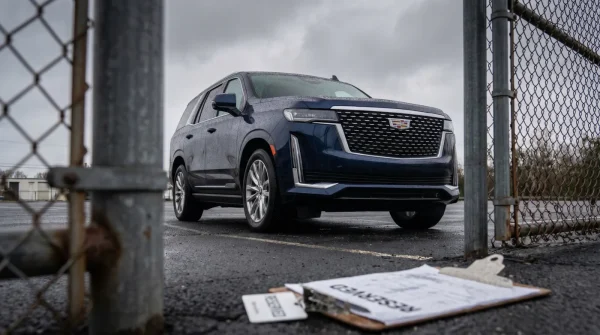
The steady drip of synthetic fluid onto cold concrete sounds like a slow-ticking clock in a quiet garage. It is 6:00 AM in a suburban Michigan workshop, and the air smells of metallic dust and cold coffee. A pristine, dark moss-green Kia Telluride sits on the two-post lift, its leather interior still carrying the faint scent of crayon and supermarket groceries. On paper, this is America’s golden child, the darling of suburban driveways and family road trips.
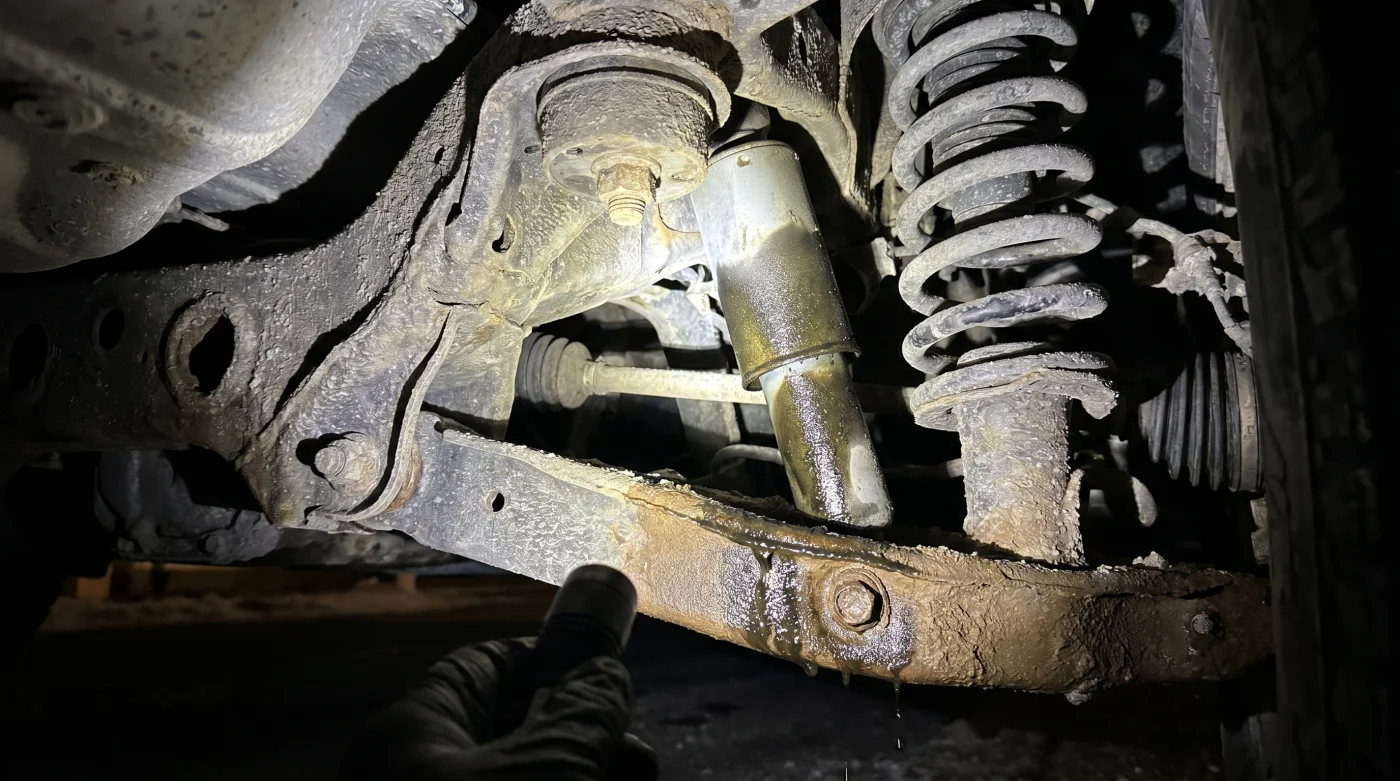
Underneath the chassis, however, the immaculate image begins to dissolve. A dark, oily sheen coats the lower control arms, catching the harsh glare of a technician’s inspection light. This is not road grime; it is the lifeblood of a sophisticated self-leveling rear suspension system, slowly escaping through a weeping seal. What looked like road dust was actually a physical warning sign of a silent mechanical breakdown.
For the past few years, the Telluride has enjoyed an almost mythological reputation for bulletproof reliability. Families bought them to haul camping gear, pull utility trailers, and navigate winter school runs without a second thought. But as hundreds of thousands of these three-row haulers quietly cross the 40,000-mile mark, a hidden vulnerability is creeping into the chassis, turning a smooth premium highway ride into a bouncy, unpredictable liability.
The Hidden Weight of Self-Leveling Magic
Think of your Telluride’s rear suspension as a set of lungs breathing through a heavy woolen pillow. The vehicle utilizes specialized, self-leveling Sachs Nivomat dampers in its higher trims, designed to automatically pump themselves up using the kinetic energy of the road to keep the rear end from sagging when loaded with luggage or a tongue weight. It is an elegant dance between mechanical engineering and hydraulic pressure, requiring no electronic compressors or air lines.
But this magic relies entirely on a delicate set of internal seals holding back immense pressure. When you hook up a medium-sized camper or load the cargo bay with coolers, the system works overtime, cycling fluid back and forth to maintain the perfect ride height. If those seals fail, the entire illusion of effortless utility collapses, transforming your premium cruiser into a vehicle that wallows through corners and bottoms out on basic speed bumps.
- 2026 Honda Passport testing exposes a severe suspension limitation on moderate trails
- Ford Mustang Mach-E refresh quietly removes a critical physical battery cooling vent
- Hyundai Palisade owners bypass catastrophic engine failure with a cheap aftermarket valve
- Porsche Macan resale values collapse when owners skip a specific transmission calibration
- Subaru Outback 200k-mile longevity requires completely ignoring factory transmission fluid schedules
The Whispers of the Workshop
Marcus Vance, a 46-year-old independent suspension specialist in Columbus, Ohio, has spent the last eighteen months monitoring this specific phenomenon. He recalls a customer bringing in a 2021 Telluride SX with just 42,000 miles on the odometer, complaining of a harsh, jittery ride that made her kids carsick on highway stretches. The owner thought she had run over a nail or ruined a tire, but in reality, both rear dampers had quietly bled out their oil over the previous six months, leaving the heavy rear springs to do all the work without any hydraulic control.
Sizing Up Your Risk: The Driving Profiles
The Heavy Hauler
If you frequently tow utility trailers, small boats, or utilize hitch-mounted cargo carriers, your suspension system operates at peak pressure constantly. Under these heavy thermal loads, the hydraulic oil degrades faster, hardening the delicate rubber seals and leading to premature failure right around the 35,000 to 45,000-mile window. Constant pressure cooks the seals from the inside out, making this group the most vulnerable to sudden oil loss.
The Suburban Daily Commuter
For those who use the vehicle primarily for school drop-offs and supermarket runs with occasional weekend road trips, the wear is slower but more insidious. The dampers rarely reach their full self-leveling stroke, causing the internal valves to operate in a narrow, repetitive range. This localized wear pattern can cause microscopic tearing of the internal seals, resulting in a slow, weeping leak that often goes unnoticed until the vehicle’s bumper begins to sag during vacation trips.
The 40,000-Mile Under-Car Inspection Protocol
Mitigating this failure does not require complex mechanical tools, but it does demand a shift from passive ownership to mindful inspection. By catching the early stages of hydraulic weeping, you can address the issue under warranty or plan an aftermarket upgrade before a family road trip is ruined.
Follow this simple step-by-step checklist during every oil change once your odometer crosses the 30,000-mile threshold: An active eye prevents catastrophic on-road failures.
- Park on flat ground and measure the distance from the ground to the top of the rear wheel arch on both sides to verify balance.
- Locate the rear shock absorbers behind the rear tires using a bright flashlight.
- Inspect the black metal body of the shock absorber for any dark, wet, or greasy film that attracts road dust.
- Gently squeeze the rubber dust boot at the top of the shock to check for trapped hydraulic fluid.
- Take a short test drive over speed bumps, listening for any hollow clunking noises or excessive bouncing from the rear end.
Your tactical toolkit for this inspection consists of a high-lumen LED flashlight, a simple tape measure, and a pair of disposable nitrile gloves to check the fluid consistency. Your Tactical Toolkit is simple, cheap, and saves thousands of dollars in long-term chassis damage.
Beyond the Marketing Glow
In an era where modern cars are marketed as disposable software suites on wheels, the physical mechanical integrity of our vehicles remains what truly keeps our families safe. Understanding that even the most highly-rated, award-winning SUV has its physical limitations allows us to become active caretakers rather than passive consumers.
When we look past the glowing dashboard screens and the plush leather seats, we find that a car’s true value lies in its silent, uncomplaining mechanical parts working in harmony beneath us. Taking control of this maintenance detail is not about finding fault with a vehicle; it is about reclaiming peace of mind and protecting the machinery that keeps us safe on the road.
“True vehicle reliability isn’t found in a five-star brochure; it is earned in the silent spaces where metal, oil, and road pressure meet over forty thousand miles of daily abuse.” – Marcus Vance, Suspension Specialist.
| Key Point | Detail | Added Value for the Reader |
|---|---|---|
| Oil Weeping | Faint dark film on the shock body | Catching this early allows for a hassle-free warranty claim before total failure. |
| Rear Sagging | Rear bumper sits lower than the front when parked | Indicates a complete loss of self-leveling capability, requiring immediate replacement. |
| Aftermarket Options | Upgrading to traditional heavy-duty shocks | Eliminates the fragile self-leveling system entirely, lowering future repair costs. |
Does the base trim Kia Telluride suffer from this suspension issue?
No, the base LX and S trims utilize traditional gas-charged shock absorbers which do not feature the complex internal self-leveling valves found in higher EX and SX trims, making them less prone to premature hydraulic leaks.
Will my powertrain warranty cover the cost of replacing leaking rear shocks?
Typically, shocks are considered wear-and-tear items and are only covered under the 5-year/60,000-mile bumper-to-bumper warranty, not the 10-year/100,000-mile powertrain warranty.
How can I tell if my Telluride has the self-leveling suspension?
If your Telluride is equipped with the factory towing package (typically on EX and SX trims), it features the self-leveling Sachs Nivomat rear suspension.
Can I drive safely with leaking rear shock absorbers?
While the vehicle will still move, driving with blown shocks significantly reduces stability, increases braking distances, and causes uneven tire wear, making replacement highly advisable.
What is the typical replacement cost for the self-leveling shocks out of warranty?
Due to their specialized internal valving, OEM self-leveling rear dampers can cost between $400 and $600 each for parts alone, plus labor at your local shop or dealership.