The sharp, clean scent of hydraulic fluid mixes with the rich, heavy aroma of aged Nappa leather inside the cabin. It is quiet here—so quiet that the engine hums as softly as a large animal breathing through a pillow in the room next door. You sit in a machine that originally cost more than a suburban townhouse, watching the morning mist gather on a windshield that features double-paned acoustic glass. This is the realm of elite engineering, now accessible to anyone with the budget of a basic commuter hatchback.
Outside, the garage floor is cold concrete, and the light from the shop lamp glints off a massive aluminum underbody shield. The average observer sees only a depreciated German executive sedan, perhaps a bit imposing, but seemingly destined for an expensive repair bill. They assume that elite, ultra-luxury engineering belongs exclusively to those who can write six-figure checks without blinking. They are wrong, blinded by the badge on the trunk while ignoring the structural marvel hidden beneath the sheet metal.
But when you lift this machine on a two-post hoist, the illusion of exclusivity evaporates into the chilly air. Underneath the familiar four-ringed badge lies a mechanical secret that the service advisors at corporate dealerships rarely discuss. You are not just looking at a used sedan; you are looking at the foundational architecture of British royalty, acquired at the price of a basic family vehicle. Used luxury car prices are crashing, making these older flagships highly sought after by those who know where to look.
The Shared Blueprint of Modern Royalty
To understand this vehicle is to understand the concept of a silent skeleton. Think of it like a master watchmaker who designs an exquisite tourbillon movement, then houses it in two different cases—one made of brushed steel for the discerning collector, and another adorned with diamonds for the high-street boutique. The heart, the gears, and the flawless sweep remain identical. This is the hidden logic of the Volkswagen Group’s MLB platform, specifically the D4 generation of the Audi A8.
Instead of designing a completely unique framework for their ultra-luxury British marque, Bentley, the engineers in Crewe and Ingolstadt shared their finest secrets. When you buy a D4 A8 today, you are purchasing the exact same chassis architecture that carries the multi-ton Bentley Flying Spur across continents. Every structural load path, every suspension pick-up point, and the entire high-pressure air delivery system are identical twins.
Marcus Vance, a 47-year-old independent master technician in Portland, specializes in keeping European flagships on the road long after their factory warranties expire. “The sheer scale of the D4’s chassis components is almost comical until you realize it was built to handle a twelve-cylinder, twin-turbo Bentley engine,” Marcus says while wiping a smear of synthetic grease from his knuckles. “When you replace a control arm on a D4 A8, you are installing a part stamped with the same engineering codes found in a Flying Spur—only you are paying Audi prices, not Crewe prices.”
- Newest electric cars mask a factory suspension upgrade inside their mid tier packages
- Gas powered luxury SUVs suffer massive depreciation when owners skip this carbon cleaning
- Mary Barra pivots GM battery architecture abandoning the controversial internal platform standards
- Wisconsin Department of Transportation software outages block mandatory out of state plate transfers
- General Motors incentive data shifts instantly crash the secondary market for midsize crossovers
Choosing Your Platform: Three Ways to Experience the Architecture
The Daily Cruiser spec relies on the 3.0T supercharged V6. For those who want the magic carpet ride with minimum under-the-hood anxiety, this engine is the sweet spot. It offers a highly reliable engine block that leaves plenty of room in the engine bay for easy maintenance access, ensuring your running costs remain surprisingly grounded.
If you crave the effortless, silent surge of torque that matches the Bentley character, the twin-turbo 4.0T V8 is the ultimate choice. It glides from forty to eighty miles per hour with a muffled growl, perfectly complementing the heavy-duty chassis underneath. This engine turns the highway into your private high-speed rail line.
The fuel-stretching diesel option, the 3.0 TDI, turns this heavy flagship into an efficiency champion. It hums quietly at highway speeds, sipping fuel while the complex suspension system irons out every imperfection on the interstate. This variation is built for those who want to cross three state lines on a single tank without feeling a single expansion joint.
The Pre-Purchase Inspection Protocol
Buying one of these masterworks for under thirty thousand dollars requires a disciplined, methodical approach to your pre-purchase inspection. You must become an investigator of air systems and structural aluminum before signing any paperwork. Skipping these steps can turn your bargain luxury cruiser into a driveway ornament.
Follow these precise diagnostic steps when evaluating a potential candidate on the hoist:
- Scan the self-leveling system using a dedicated diagnostic tool to check for historical pressure deviations or pump run-time errors.
- Measure the distance from the center of the wheel hub to the fender lip after the car has sat overnight; any sagging indicates a slow leak in the system.
- Inspect the rubber boots surrounding the lower ball joints for microscopic tears that allow road salt and moisture to degrade the joint.
- Verify the service history of the transmission fluid, as a fresh flush every sixty thousand miles is crucial to the flagship experience.
Your tactical inspection toolkit should include a high-definition borescope, a diagnostic scanner capable of reading live suspension data, and a non-marring trim tool to lift the trunk floor and inspect the air compressor compartment for signs of moisture. Checking these areas ensures you buy the asset, not the previous owner’s deferred maintenance.
Redefining Value and Peace of Mind
There is a profound quietness that comes with knowing you have bypassed the traditional depreciation curve. While others pay premium prices for plastic-clad compact crossovers, you are gliding through traffic in a sanctuary of double-paned glass and active noise cancellation. Rebellion against the disposable nature of modern consumer culture begins by choosing engineering excellence over marketing hype.
This car teaches you that real luxury is not about the badge on the steering wheel, but the physical substance of the engineering beneath your feet. It is the peace of mind that comes from knowing your daily commute is cushioned by the same structural integrity designed for royalty. Every turn, every expansion joint, and every sudden lane change is handled with a composure that only a shared Bentley heritage can provide.
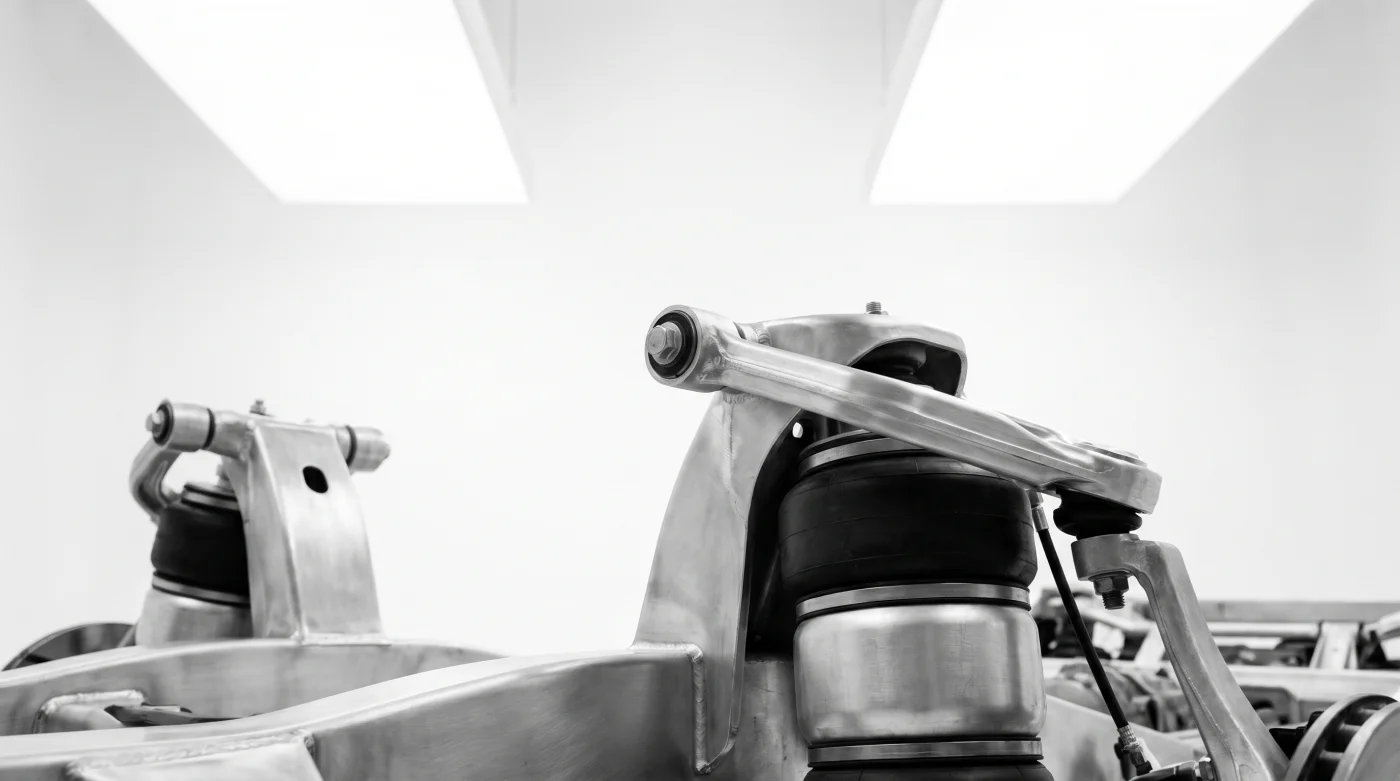
Ultimately, the magic of the D4 A8 is revealed not in its leather seats or digital screens, but in the silence of its movement. As you glide over broken pavement, the road seems to dissolve into a distant memory. This miraculous transformation of asphalt is made possible by the incredible engineering hidden behind the front wheels—the exquisite, brushed aluminum upper control arms holding the massive air suspension bladders.
“True automotive luxury isn’t painted on the body panels; it is cast into the suspension components that carry you over the earth.”
| Key Point | Detail | Added Value for the Reader |
|---|---|---|
| Shared Platform | D4 Audi A8 shares its MLB bones with the Bentley Flying Spur. | Enables six-figure ride quality for under $30,000. |
| Suspension Geometry | Identical control arms and high-pressure air struts across both cars. | You can source OEM parts without paying exotic-brand markups. |
| Depreciation Advantage | First owners absorbed 80% of the original retail cost. | Maximum mechanical value per dollar spent. |
Frequently Asked Questions
Is the D4 Audi A8 expensive to maintain? While parts are cheaper than Bentley counterparts, they are still premium European components. Using independent mechanics and buying OEM parts directly bypasses dealership markups.
How long do the air suspension bladders last? Generally between 80,000 and 120,000 miles. Replacing them with aftermarket options like Arnott preserves the ride quality at a fraction of the cost.
Which engine is the most reliable for a used buyer? The 3.0T supercharged V6 offers the best balance of reliability, simplicity, and low repair costs.
Does the D4 A8 rust over time? No, the space frame and body panels are constructed entirely of aluminum, preventing structural rust.
Can any mechanic service this chassis? Any competent European specialist can work on this platform, as the diagnostic tools are widely available.