The garage smells of mineral spirits, cold iron, and the sharp tang of old gear oil. Outside, a damp November mist hangs over the driveway, but inside, under the warm glow of a magnetic work light, there is only the quiet ticking of cooling metal. You run your hand along the fender of a ten-year-old Silverado. It doesn’t hiss, whistle, or pant like the high-strung, small-displacement ecoboxes idling at the stoplight down the street. It simply rests, solid and heavy.
For a decade, the automotive industry has whispered a seductive promise in your ear: downsize the engine, bolt on a turbocharger, and enjoy the fuel economy of a compact with the power of a workhorse. It sounded like progress. But as these complex, highly pressurized systems cross the 100,000-mile threshold, **this whispering promise has soured** into a chorus of expensive metallic rattles, stretched chains, and ruined cylinder heads.
Stepping into the used truck market today feels like walking through a minefield of deferred maintenance. The search bars are lighting up with buyers looking for a safe harbor from the storm of fragile components. That harbor is surprisingly old-school, hiding under the hood of a classic Chevy small block V8.
The 10-Year Test: Why Simplicity Outlives Pressure
To understand why the Chevy small block wins the long game, you have to look at the engine as a physical budget. A modern turbocharged engine is like a high-stakes startup: it operates under extreme thermal stress, squeezing maximum output from tiny spaces using complex plumbing. It relies on overhead camshafts (OHC) driven by long, serpentine timing chains that must snake their way to the top of the cylinder heads. **This constant, high-pressure environment** eventually takes its toll on every plastic guide and hydraulic tensioner in the system.
The Chevy small block, by contrast, behaves like an old-money family estate. It uses a single camshaft nestled deep inside the engine block itself. Instead of a long, looping chain fighting against overhead tension, it uses a short, stout double-roller chain that barely moves a few inches. This pushrod design bypasses the architectural vulnerability that plagues almost every modern overhead cam competitor: timing chain stretch. When a long OHC chain stretches even a millimeter, the valves lose their sync, often leading to a catastrophic collision between piston and valve.
Take Dave Miller, a 54-year-old fleet mechanic from Cincinnati who has spent three decades keeping regional delivery trucks on the road. “I see these modern twin-turbo V6s come in at 120,000 miles, breathing through a pillow because their direct-injection valves are choked with carbon,” Dave says, wiping grease from his palms. “**The pushrod design doesn’t** ask for your life savings just to keep its timing straight. It is built for the long haul, simple as that.”
- Lamborghini hybrid architecture exposes a severe high speed aerodynamic penalty against Ferrari
- Ford Bronco endurance testing reveals a catastrophic front differential weakness ruining off-road reliability
- Kawasaki track testing exposes a severe factory suspension geometry flaw ruining cornering
- Ford Mustang Dark Horse exterior styling updates secretly route high-pressure air directly to brake calipers
- Honda CR-V engine rattle requires a specific mechanical tensioner replacement instead of full timing chains
The Vulnerability Profile: Turbos vs. Pushrods
Not all drivers use their trucks the same way, but time and heat are universal equalizers. Let’s break down how this mechanical divide affects different types of owners over a decade of ownership.
For the Daily Hauler and Tow Enthusiast
If you regularly hook up a flatbed or a camper, heat is your primary enemy. In a small-displacement turbocharged engine, towing forces the turbo to spool constantly, generating glowing-hot exhaust temperatures that cook the engine oil. This heat bakes the oil inside the turbo’s tiny feed lines, slowly starving the bearings. **The Chevy small block** handles towing through raw, lazy displacement. It doesn’t rely on artificial lung power; it uses its physical volume to produce low-end torque without breaking a sweat, keeping under-hood temperatures at a dull simmer.
For the Used Truck Bargain Hunter
When buying second-hand, you are buying the previous owner’s mistakes. If they skipped an oil change on an overhead-cam turbo engine, the microscopic oil passages leading to the variable valve timing (VVT) solenoids easily clog, leading to oil starvation. In a classic small block, the tolerances are much more forgiving. While it still demands respect and regular maintenance, its simple oil galleries can survive minor neglect without triggering a cascade of system failures that cost more than the truck’s residual value.
Maintaining the Iron Giant: A Minimalist Longevity Routine
Keeping a Chevy small block running past the 300,000-mile mark doesn’t require complex diagnostics. It requires a commitment to **basic, high-quality fluid dynamics** and mechanical sympathy.
Focus on oil quality over marketing gimmicks. Because pushrod engines use flat-tappet or roller lifters that ride directly on the cam lobes, clean oil with robust shear resistance is non-negotiable. Change your oil every 5,000 miles regardless of what the dashboard life monitor tells you.
- Select High-Zinc Lubricants: For older small blocks, choose oils with decent ZDDP levels to cushion the contact point between the lifter and the camshaft lobe.
- Inspect the PCV Valve: A clogged Positive Crankcase Ventilation valve increases internal pressure, causing oil leaks around the rear main seal. Replace it every 30,000 miles.
- Cooling System Flushes: Aluminum heads on cast-iron blocks expand at different rates. Keep your coolant fresh to prevent head gasket degradation over long cycles.
Your tactical toolkit is wonderfully brief: 5W-30 Full Synthetic oil (Dexos approved for modern iterations), fresh Dex-Cool coolant every five years, and a simple ten-dollar PCV valve replaced at regular intervals. It is a maintenance plan you can execute in your own driveway with basic hand tools.
The Vindication of Simplicity
There is a quiet peace of mind that comes from knowing your vehicle’s survival does not depend on a fragile network of sensors, oil-bathed rubber belts, and glowing turbines. When you open the hood of a small block Chevy, you see an engine you can actually comprehend. The layout makes sense; the parts look like they were forged in a blacksmith’s shop rather than printed in a cleanroom.
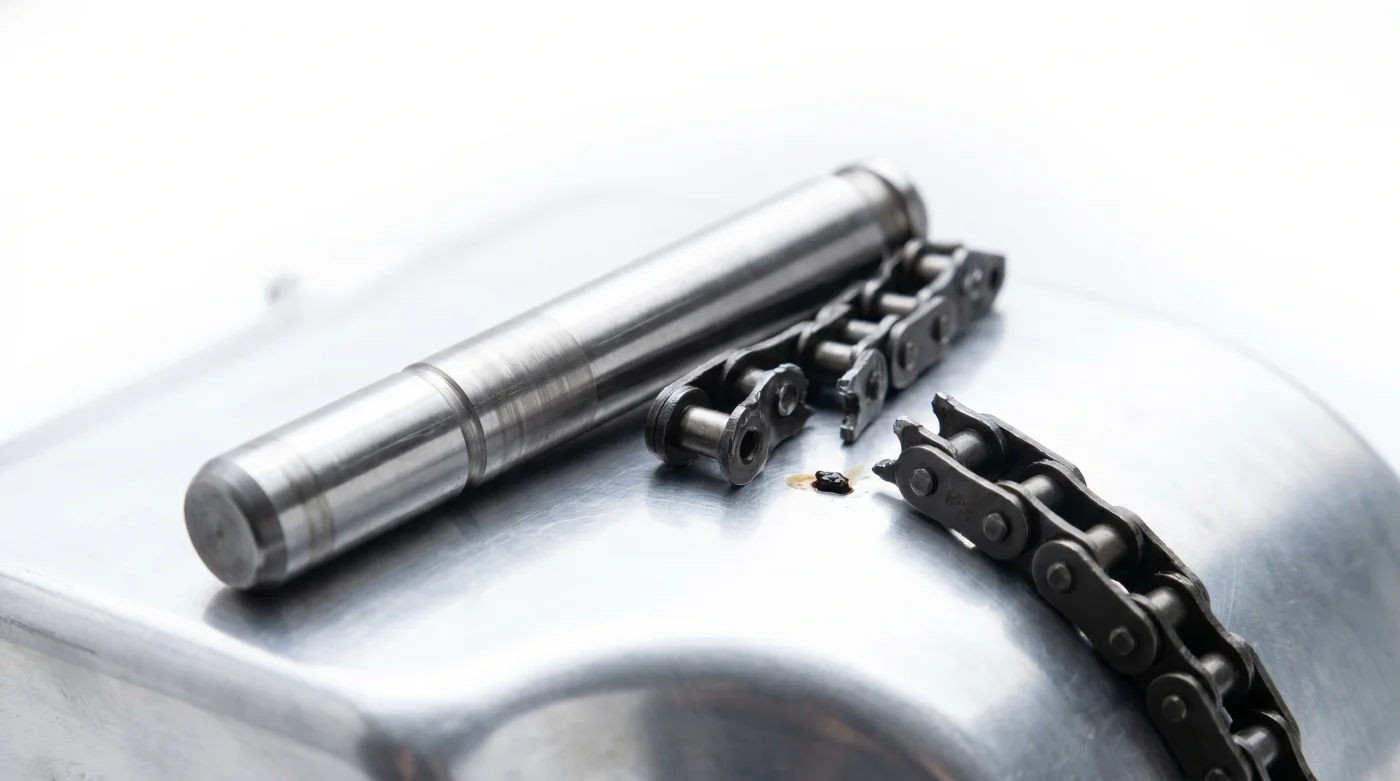
In the end, the 10-year test reveals that **true economy isn’t measured** in a slightly higher EPA highway rating on a window sticker. It is measured in the absence of a $6,000 repair bill at a dealership service desk. On the workbench of any veteran mechanic, the truth is laid bare: a pristine, straight steel pushrod, unyielding and simple, sitting quietly next to a snapped, overly complex overhead cam timing chain that took an entire engine down with it.
“The most reliable part is the one that doesn’t exist; by leaving overhead cams and turbos out of the equation, the small block avoids the very points of failure that send modern engines to the scrap heap.” — Dave Miller, Master Fleet Technician
| Key Point | Detail | Added Value for the Reader |
|---|---|---|
| Timing Chain Length | Pushrod uses a short double-roller chain; OHC uses chains up to 6 feet long. | Eliminates the risk of chain stretch and catastrophic valve-to-piston collision. |
| Induction Stress | Naturally aspirated displacement versus high-pressure turbo boost. | Lower operating temperatures and significantly less stress on internal bearings. |
| Valve Train Simplicity | Single cam in block with steel pushrods; dual overhead cams with multiple phasers. | Fewer moving parts means fewer failure points and lower repair costs if maintenance is deferred. |
Is modern turbocharging inherently unreliable?
Not inherently, but they require uncompromising maintenance and have far narrower margins for error over a ten-year lifespan compared to naturally aspirated V8s.
Why does a pushrod engine avoid timing chain stretch?
Because the camshaft is located close to the crankshaft, requiring a very short, sturdy chain that experiences minimal tension and wear.
Is fuel economy significantly worse on a Chevy V8?
While small turbos win in laboratory testing, real-world towing and hauling scenarios often bridge the gap, making the V8’s fuel consumption highly competitive.
What are the signs of timing chain wear in an OHC engine?
Watch for cold-start rattles, persistent misfires, and check engine lights indicating camshaft correlation errors.
Can a Chevy small block really hit 300,000 miles?
Yes, with routine oil changes, cooling system maintenance, and prompt attention to vacuum leaks, these engines routinely surpass this milestone.