A silent cabin is a seductive thing. You slip behind the steering wheel of a used Tesla Model Y, adjust the minimalist glass roof line in your vision, and pull away from the curb without a single mechanical vibration. The giant center screen glows brightly, showing zero error codes. To the untrained eye, this vehicle feels completely immune to the greasy, high-maintenance wear that plagues traditional gasoline-powered cars.
But step outside and crouch down on the cold garage floor. Let your eyes adjust to the dim light behind the massive 20-inch induction wheels. The faint, sweet smell of windshield washer fluid mixes with the dry scent of road dust. Here, away from the glowing touchscreens and wireless chargers, a physical reality is playing out. A massive battery pack forces this crossover to crush the pavement with over 4,400 pounds of constant, unforgiving mass.
When that weight meets a sharp pothole at sixty miles per hour, the kinetic force doesn’t simply disappear. It travels directly through the steering knuckles and into the suspension links. If you bought into the popular myth that electric vehicles require zero physical inspections, you might be driving on a ticking clock. The shiny digital interface can easily mask a structural vulnerability waiting to snap during a highway lane change.
The Weight-Bearing Mirage: Gravity and Cast Aluminum
We have been conditioned to believe that cars only fail when their engines burn oil or their transmissions slip. This belief is a dangerous distraction when shopping the used EV market. The real battleground of a modern electric crossover is its unsung aluminum skeleton, specifically where the upper control arms meet the chassis structure.
Think of the vehicle’s suspension like a set of knees carrying a heavy backpack. If you add fifty extra pounds to the pack, the knees don’t care how advanced your brain is; they simply experience more raw, crushing stress. The Model Y uses a high-pressure, cast-aluminum construction for several key structural brackets. While cast aluminum is incredibly lightweight and stiff, it behaves differently than traditional stamped steel under repetitive high-load cycles. Instead of bending gradually when overloaded, cast structures can develop internal micro-fractures that hide quietly until complete failure occurs.
The Wisdom of the San Jose Bay
Marcus Vance, a forty-two-year-old independent EV technician operating out of a quiet industrial park in San Jose, California, sees the results of this weight every single day. For over a decade, Marcus repaired high-end German sports cars before shifting his entire business to focus on out-of-warranty electric vehicles. He knows exactly where the shiny marketing materials collide with real-world physics.
"People buy these used Model Ys because the recent price cuts make them look like an absolute steal," Marcus says, wiping grease from a digital dial caliper. "They check the battery health screen, look at the tire tread, and think they are good to go. But they never clean the road grime off the front upper control arm mounts. By the time the cast aluminum starts to split, the driver usually only gets a split-second warning sign—a sudden, sharp metallic pop during a low-speed turn."
- Multifuel engine longevity demands synthetic oil intervals entirely ignoring factory maintenance recommendations
- Ford Bronco base models deliver superior steering geometry without the heavy factory lift
- EV charging installation quotes hide massive electrician markups on standard residential wiring hardware
- Corvette Stingray interior redesigns permanently remove the controversial center console physical button wall
- Kawasaki Ninja standard trims secretly house identical suspension hardware to premium racing editions
Targeted Auditing: Tailoring the Inspection to the Vehicle’s Past
Not every used Model Y has lived the same life. To conduct a smart, efficient inspection, you must tailor your search based on where the vehicle spent its initial years. Different geographic regions stress these heavy cast-aluminum suspension joints in vastly different ways.
The Frost-Belt Commuter
Vehicles sourced from the Northeast or Midwest face a double threat: aggressive temperature swings and chemical road salts. Cold temperatures make cast metals slightly more brittle, while road salt acts as an electrolyte. If moisture gets trapped between the steel steel ball joint sleeve and the gray aluminum casting, galvanic corrosion begins to bubble, accelerating the formation of stress cracks around the mounting bolt pathways.
The Urban Suburbia Runabout
Cars that spent their lives traversing metropolitan speed bumps, steep driveway transitions, and deep concrete drainage gutters experience severe vertical impact cycles. Constant low-speed impacts force the upper control arms to travel to their absolute physical limits. This repetitive hammering slowly fatigue-tests the mounting ears of the bracket, making this profile highly susceptible to fracturing even in warm, dry climates.
The Step-by-Step Stress Fracture Audit
Checking for this structural issue does not require a commercial car lift, but it does demand patience and a keen eye for detail. Do not rely on a quick glance through the wheel spokes; you must get physically close to the components to verify their structural integrity.
First, park the vehicle on a level surface, engage the parking brake, and jack up one front corner safely using a jack stand. Turn the steering wheel to its lock limit to open up the viewing window behind the front tire. Grab your technical toolkit before climbing under the wheel well.
- High-Lumen Flashlight: A minimum of 500 lumens, ideally with an adjustable focus beam to cut through dark shadows.
- Non-Chlorinated Brake Cleaner: Used to dissolve the thick layer of road film, brake dust, and grease masking the raw metal.
- Microfiber Detailing Cloth: To wipe the component completely dry for a clear, glare-free visual inspection.
- Inspection Mirror: A small, telescoping glass mirror to view the backside of the cast ears where the control arm bolt passes through.
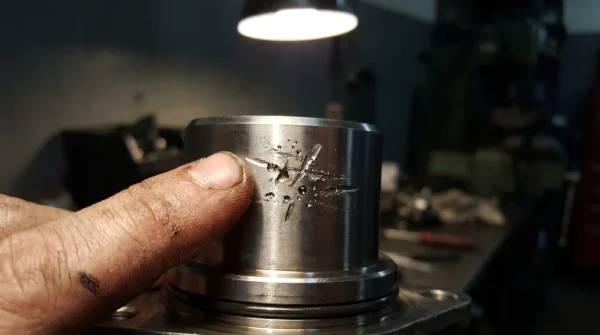
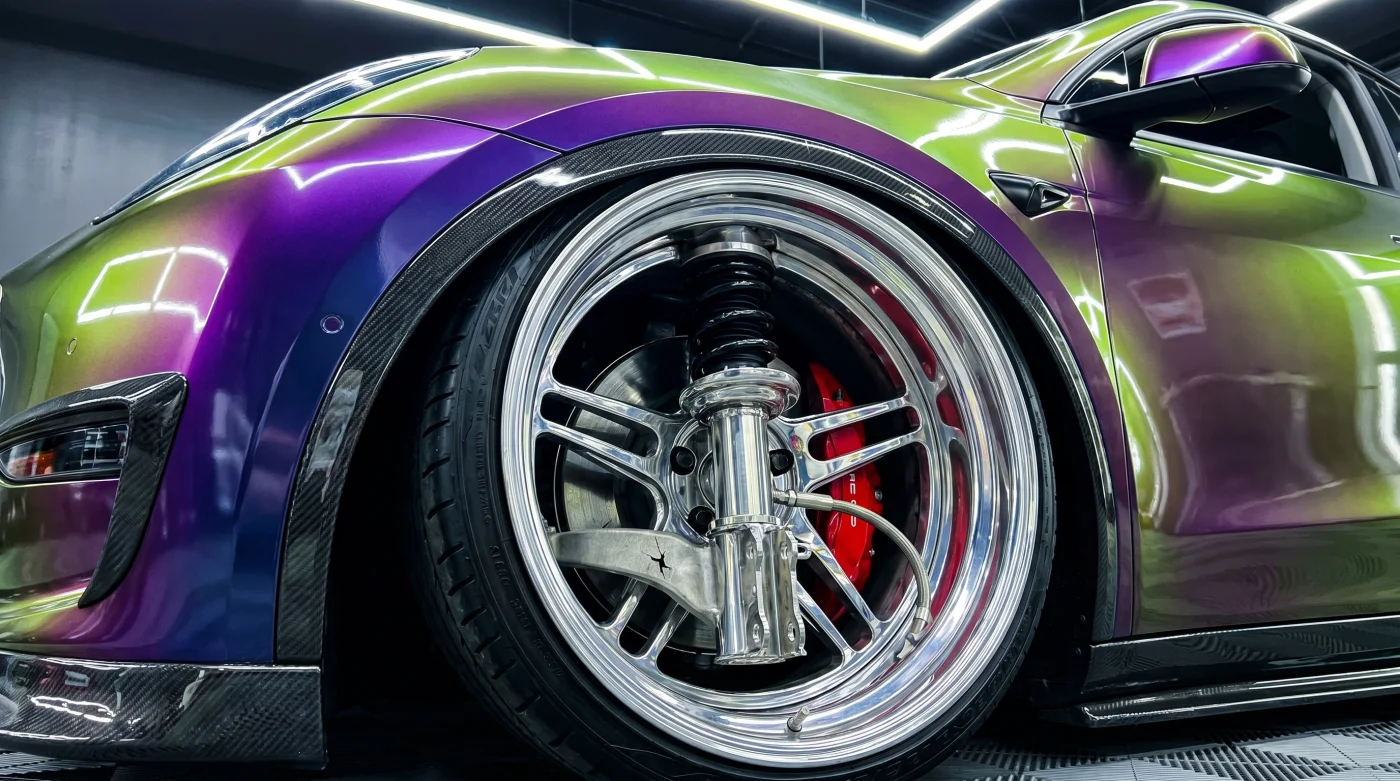
Once the area behind the upper control arm is clean, shine your light at a sharp forty-five-degree angle across the surface of the gray cast-aluminum suspension bracket. You are not looking for a massive, gaping break. Instead, look for a microscopic hairline crack running vertically or wrapping around the radiused edges of the mounting ears. This tiny line, often looking no thicker than a single strand of spider silk, indicates that the metal has reached its fatigue limit and is actively splitting apart under the vehicle’s massive weight.
The Structural Truth Behind the Screen
Investing in a used electric crossover should feel like an empowering step forward, not a gamble with your physical safety. By shifting your attention away from the digital marketing hype and focusing on the cold, hard physics of the chassis, you protect yourself from expensive post-purchase repair bills.
Understanding that heavy vehicles require robust mechanical care allows you to approach the buying process with clear, objective eyes. Checking the integrity of the cast aluminum brackets takes less than twenty minutes, but it ensures that your transition to electric driving remains grounded in safety and long-term peace of mind.
"The digital screen might tell you the car is perfect, but the metal underneath never lies about the weight it has carried." — Marcus Vance, EV Specialist
| Key Point | Detail | Added Value for the Reader |
|---|---|---|
| Weight Stress | 4,400+ lbs of battery mass constantly loads cast-aluminum parts. | Explains why suspension wears out faster than on lighter ICE vehicles. |
| Fracture Location | Upper control arm mounting ears and nearby casting radiuses. | Saves time by pointing your flashlight directly at the high-risk zone. |
| Visual Warning | A microscopic hairline crack resembling a fine grey thread. | Helps you spot structural damage before it causes a complete roadside failure. |
Frequently Asked Questions
Is suspension fracturing covered under Tesla’s used vehicle warranty?
If the vehicle is still within its 4-year/50,000-mile basic vehicle limited warranty, suspension failures not caused by an accident are typically covered. However, out-of-warranty repairs for these components must be paid for entirely out of pocket by the owner.
Does a cracked suspension bracket trigger an error code on the dashboard?
No, there are no electrical sensors inside the cast aluminum brackets. The vehicle will not alert you to a structural crack until the part physically breaks and causes a secondary sensor fault or a severe alignment shift.
Are aftermarket replacement control arms safer than the original cast parts?
Some high-quality aftermarket options feature redesigned steel construction or reinforced bushings that handle high vehicle weights better than early factory designs, but they must be installed by a certified professional.
How much does it cost to repair a cracked upper suspension link?
Replacing a damaged front upper control arm or its mounting bracket typically ranges from $600 to $1,200 per side, depending on labor rates at your local service center or independent EV shop.
Does this issue affect every single Model Y on the used market?
No, it primarily impacts vehicles driven hard on rough roads or those exposed to severe corrosion. However, because of the high average weight of the vehicle, inspecting these parts is highly recommended for every pre-owned purchase.