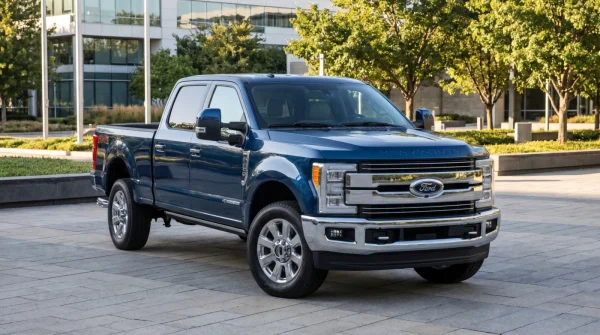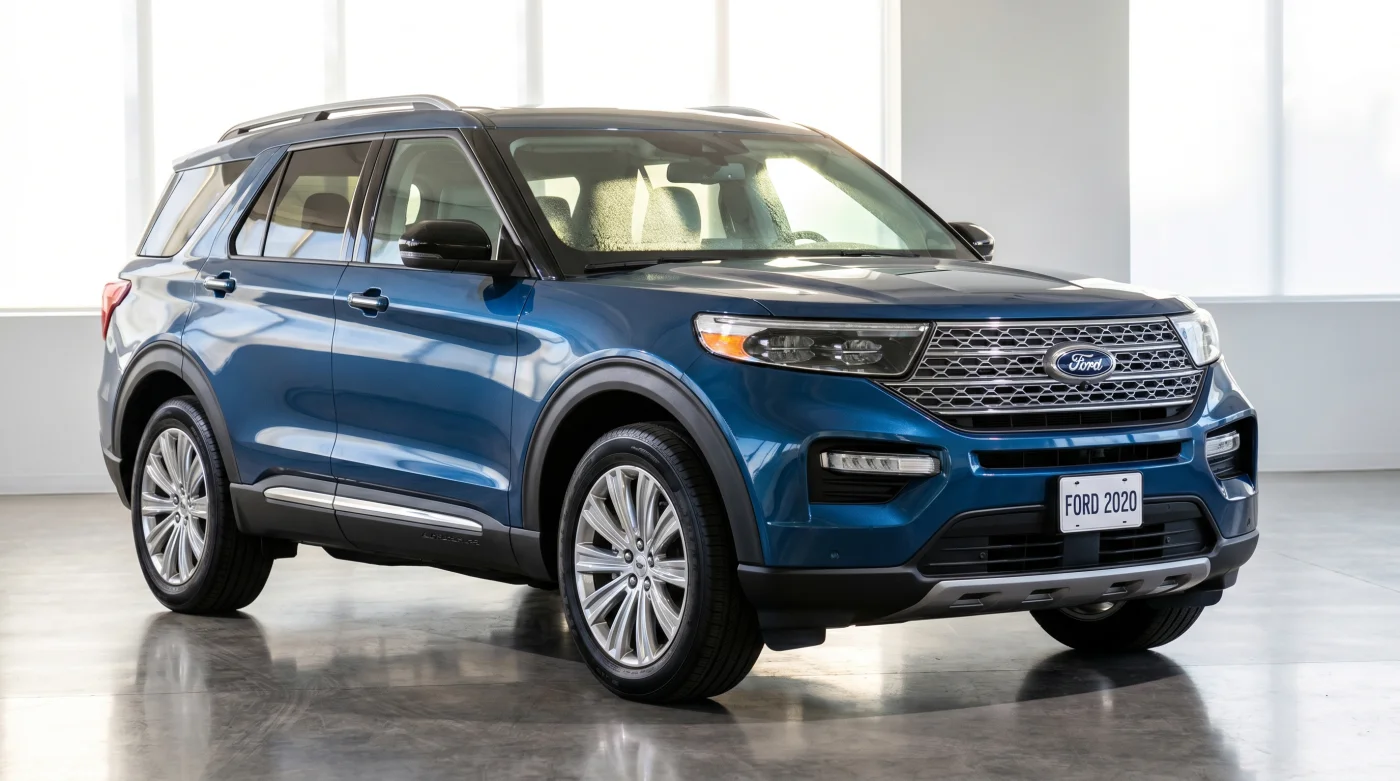
The damp smell of October morning air clings to the steering wheel as you back out of the driveway. The dashboard of your late-model Ford Explorer or F-150 hums to life, casting a soft blue glow across the cabin. You pull onto the commuter artery, click the steering wheel button, and watch the green icon of your Adaptive Cruise Control lock onto the sedan ahead. It feels like a silent pact between human engineering and digital trust.
But as the autumn sun crests the eastern horizon, climbing just above the tree line, a subtle shift occurs. The system does not beep. It does not flash a red warning on your instrument cluster. Instead, the vehicle maintains its pace, seemingly unaware that the brake lights of the commuter traffic ahead are rapidly growing larger. Your foot hovers over the pedal, a sudden spike of adrenaline shattering the morning calm.
For thousands of owners receiving safety recall notices in their mailboxes, this isn’t an isolated software glitch. It is a physical limitation of the glass and sensor arrays that guide our modern daily travels. The assumption that a simple dealership software update will permanently cure these intermittent drops in system performance overlooks a much deeper mechanical reality.
The Glass Mirage: Why Software Cannot Cure Optical Blindness
To understand why these vehicles lose their footing in the morning light, we must look at the camera system not as a digital brain, but as a physical eye. The optical processing unit tucked behind your rearview mirror acts as the primary sensory organ for your driver-assist systems. When polarized morning light strikes the windshield at a low angle, it creates an intense glare field that completely washes out the CMOS image sensor, leaving the vehicle momentarily blind.
We often treat driver assist features like an invisible safety net, assuming they see the world exactly as we do. In reality, these systems function more like a driver trying to navigate a blinding sunrise without a sun visor or polarized sunglasses. When the camera’s optical aperture is flooded with raw, scattered photons, the internal processor cannot distinguish between the white line of the lane marker and the silver bumper of the truck ahead. Instead of failing safely, the system sometimes tries to “guess” its way through the glare.
An Engineer’s Discovery on the Interstate
Marcus Vance, a 46-year-old optical diagnostics specialist based near Dearborn, Michigan, was among the first to document this phenomenon outside of corporate testing grounds. While analyzing system dropouts on his own 2019 Ford F-150 during his daily commute along Interstate 94, Vance hooked up a diagnostic port reader to capture real-time sensor feeds. He discovered that during specific autumn mornings, the camera’s image contrast dropped to near zero, yet the vehicle’s central computer received no “fault” signal from the camera housing. The system believed it was looking at a clear road, operating under a false sense of security that no over-the-air software patch could resolve.
- Mary Barra EV production mandates exploit a massive commercial fleet tax loophole
- Tesla India anniversary price cut strips critical acoustic deadening from budget models
- EV charging connector pins melt silently under heavy load during summer heatwaves
- Subaru Forester moonroof recall searches explode as shattered glass events abruptly surge nationwide
- Kawasaki hydrogen motorcycle prototypes spark a massive run on traditional supercharged Ninja inventories
Navigating the Blind Spots: Terrain and Driving Profiles
The severity of this sensor wash-out depends heavily on your geographic location and daily driving schedule. Understanding your specific risk profile can help you anticipate when the vehicle’s digital eyes are most likely to fail.
The East-Bound Commuter: If your morning drive faces directly into the rising sun, you are at the highest risk for camera blindness. The low-angle sunlight enters the sensor housing directly, overwhelming the pixel array and forcing the system to rely on outdated radar tracking data.
The Dusty Rural Driver: In agricultural or gravel-road environments, fine dust particles settle on the exterior windshield directly in front of the camera lens. This layer of dust scatters incoming light, amplifying the glare effect and creating a milky haze that prevents the camera from identifying vehicle outlines.
The Coastline Cruiser: Salt spray and coastal fog leave a microscopic crystalline film on the glass surface. Even after using your windshield wipers, this film acts like a frosted lens modifier, which bends headlight beams and sunlight into disorienting patterns for the lane-keep processor.
Addressing this vulnerability requires a physical approach to vehicle care rather than waiting for a digital fix. By maintaining the optical clarity of the glass surface, you can minimize the scatter of light that causes system dropouts.
Regular maintenance of the camera’s viewing window is critical to preventing sudden system dropouts during your daily drive. To perform this physical inspection at least once a month will keep the sensors operating under optimal conditions:
- Clean the optical zone: Use an ammonia-free glass cleaner and a clean, dedicated microfiber towel to remove road film from the upper center portion of the windshield.
- Inspect the wiper blades: Replace your windshield wipers at the first sign of streaking, as even a minor water streak directly in front of the camera can trigger a system error.
- Apply a hydrophobic coating: Use a high-quality glass sealant to prevent mineral deposits and water spots from forming over the sensor array.
To keep your optical systems performing at their best, assemble a simple maintenance toolkit consisting of a clay bar for glass, a dedicated non-silicone glass polish, and a high-intensity inspection light to check for microscopic pitting from road debris.
The Illusion of Automation and the Value of Focus
As modern vehicles become more automated, the distance between the driver’s attention and the physical reality of the road grows wider. This recall serves as a stark reminder that technology does not replace human perception; it merely assists it. Accepting the physical limitations of these optical systems allows us to reclaim our role as the active pilot of our vehicles.
When you peer through the windshield from the outside of your vehicle, look closely at the small triangular window cut into the black ceramic shading near the rearview mirror. What looks like a pristine camera lens is often obscured by a subtle, insidious culprit: the frosted, micro-scratched surface of the forward-facing windshield camera lens housing, which scatters incoming sunlight into a blinding haze long before the light ever reaches the digital sensor inside.
“No amount of software code can correct a distorted physical image; safety begins with optical clarity at the glass level.” – Marcus Vance, Optical Systems Specialist
| Key Point | Detail | Added Value for the Reader |
|---|---|---|
| Hardware vs. Software Limit | Low-angle morning light physically washes out the CMOS sensor behind the mirror. | Helps you recognize when to manually disable adaptive cruise to avoid sudden drops. |
| Windshield Micro-Scratches | Road grit creates microscopic pits in the glass directly in front of the camera. | Explains why routine windshield replacement may be necessary even without major cracks. |
| Environmental Triggers | Dust, salt film, and low-angle sun amplify the optical blindness effect. | Allows you to anticipate system failure based on weather and route direction. |
Frequently Asked Questions
Will the official Ford safety recall fix the physical camera blindness permanently?
The dealer-installed software update improves how the car detects a blind camera, but it cannot prevent the physical light washout caused by low sun or dirty glass.How can I tell if my camera is experiencing temporary blindness while driving?
If your lane-keep assist lines suddenly disappear from the dashboard cluster while driving directly toward the sun, the optical sensor has likely lost its target.Does using windshield rain repellent affect the camera’s ability to see?
A clean, properly applied hydrophobic coating helps prevent water distortion, but any product that leaves a hazy residue will worsen glare issues.Can microscopic pitting on my windshield cause an adaptive cruise failure?
Yes, tiny sand pits scatter light in multiple directions, creating a bright haze that prevents the system from calculating distances accurately.Is it safe to use adaptive cruise control during sunrise or sunset?
It is best to maintain manual control during these times, as the rapid contrast changes make it difficult for the camera system to respond to sudden stops.