The air inside a modern Lexus dealership has a specific, curated stillness. It smells like expensive neutral-toned leather and the faint, ozone-heavy scent of a high-voltage battery cooling after a test drive. You stand there, looking at the window sticker of the new Lexus TZ, and your eyes naturally drift toward the column that justifies the sixty-thousand-dollar jump from the base model to the ‘Ultra-Luxury’ variant. The brochure promises a ‘superior adaptive ride,’ implying that the metal and oil holding you above the asphalt are somehow fundamentally more sophisticated in the more expensive car.
You run your fingers over the door handle, feeling the cold weight of the precision-machined metal. There is a psychological comfort in believing that more money buys more physical engineering. We are taught that a ‘Premium’ badge isn’t just a label, but a physical upgrade—a thicker sway bar, a more resilient piston, or a more sensitive valve. The reality of modern manufacturing, however, is often much quieter and more pragmatic than the marketing team would ever admit.
When you crouch down to peer into the wheel well of the entry-level TZ, the black-painted steel of the suspension components looks identical to the one parked three bays over for double the price. There is no magic gold plating on the top-tier struts. Instead, there is the cold efficiency of global logistics that demands parts remain universal to keep assembly lines moving. The secret isn’t in what you see, but in the realization that you’ve been sold a software limitation disguised as a hardware deficiency.
The Ghost in the Machine: Why Hardware is Now Universal
Imagine buying a high-end professional camera, only to be told that you have to pay an extra five thousand dollars to use the glass lens that is already attached to it. This is the ‘Software-Gated Chassis’—a metaphor for the way the Lexus TZ handles the road. The physical architecture is a masterpiece of redundancy. Because it is cheaper for Lexus to manufacture one world-class suspension system and install it on every single TZ than it is to design, test, and stock three different sets of physical components, they simply gave everyone the best stuff and hid it behind a digital curtain.
- Lexus RX oil filter overtightening silently destroys engine block resale value
- Tesla Model Y Production Shifts Away From Megacasting Due To Costs
- Tesla Model Y Inventory Vanishes Overnight As New Rebates Hit
- Tesla Model Y Insurance Premiums Drop With This Safety Setting
- Tesla Model Y Autopilot Fails Completely On Specific Highway Grooves
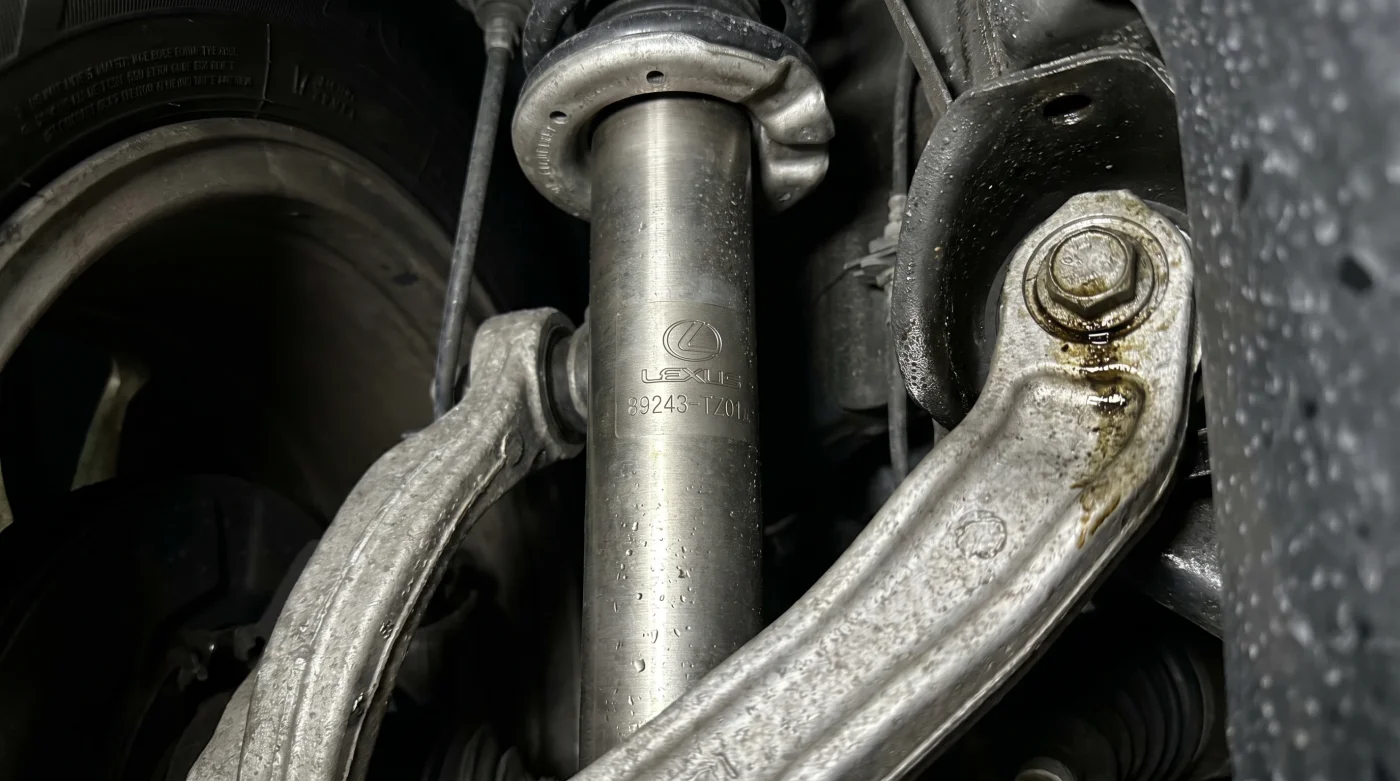
Marcus, a fifty-two-year-old master technician in Plano, Texas, who has spent three decades diagnosing the ‘Lexus hum,’ was the first to notice the anomaly. While performing a routine pre-delivery inspection on a base-model TZ, he wiped the factory grime off the front strut casing and compared the stamped part numbers to a range-topping model on the lift next to it. Both cars were fitted with the exact same adaptive damper units, stamped with the shared serial prefix 48510-48. The only difference was the software handshake that allowed the top-trim car to cycle its valves faster. Marcus calls it ‘the best-kept secret in the showroom,’ a mechanical parity that renders the price gap almost entirely cosmetic.
The Strategic Buyer: Navigating the Trim Levels
For the Daily Commuter, the base model TZ is not a compromise; it is a tactical victory. You are sitting on the same multi-link rear setup and the same high-frequency vibration dampers as the CEO in the lane next to you. In the stop-and-go crawl of an American interstate, the base car’s inherent balance shines because it isn’t trying to over-compensate with aggressive sport modes it doesn’t need. The suspension breathes with the road, absorbing the expansion joints like a heavy blanket soaking up a spill.
For the Long-Distance Traveler, the hardware parity means your maintenance costs in five years will be identical to the cheaper models. You aren’t paying for exotic, one-off air bags that will perish and cost a fortune to replace. You are buying into a proven ecosystem of mass-produced reliability. If a strut fails in five years, the replacement part is the same high-performance component used across the entire TZ fleet, ensuring parts availability and predictable repair labor.
A Mindful Inspection: Identifying the ‘Hidden’ Value
To truly understand what you are sitting on, you must look past the 12-inch touchscreen and the ambient lighting. The real value of the TZ is tucked behind the wheel liners. When you are at the dealer, or if you already have one in your driveway, take a flashlight and look at the suspension assembly. You are looking for mechanical signs of over-engineering that the sales staff might have overlooked in their pitch.
- Check the part number stampings on the damper bodies; they should match the ‘Z’ series designation across all trims.
- Note the thickness of the aluminum control arms; they are forged, not stamped, even on the most ‘budget’ version of the TZ.
- Observe the rubber bushings; Lexus uses the same high-density, noise-isolating compounds regardless of the leather quality inside the cabin.
- Look at the mounting points for the subframe; the structural rigidity is a constant, providing the same crash-test safety and handling precision across the board.
By focusing on these tactile, physical truths, you detach yourself from the ‘trim-level treadmill.’ You realize that the machine’s core soul is fixed, and any extra money spent is merely for the jewelry it wears on the outside. This is how you buy a luxury car without the luxury tax.
The Bigger Picture: Resale and Reality
In the end, recognizing that the Lexus TZ base model is a premium car in a plain suit changes how you value your ownership. There is a profound peace of mind in knowing that your ‘entry-level’ vehicle shares the same mechanical DNA as a flagship. It removes the nagging feeling that you missed out on something better. In the used car market of the future, these base models will likely hold their value better than the tech-heavy trims because the hardware remains the gold standard while the software-based ‘features’ of the top trims eventually become dated.
Choosing the base model isn’t about being frugal; it’s about being informed. It is the quiet satisfaction of knowing that when the road gets rough and the suspension begins its complex dance of compression and rebound, your car is performing at the highest level possible for the platform. You aren’t just driving a car; you are managing an asset that was engineered to a single, uncompromising standard, even if the price tag tried to tell you otherwise.
“True luxury is found in the things the manufacturer didn’t think you’d notice, but built perfectly anyway.”
| Key Point | Detail | Added Value for the Reader |
|---|---|---|
| Suspension Hardware | Identical adaptive dampers (Part #48510-48) | Base buyers get flagship-level ride quality for thousands less. |
| Chassis Engineering | Forged aluminum components across all trims | Consistent safety and longevity regardless of the purchase price. |
| Maintenance Logic | Universal parts catalog for all TZ models | Lower long-term repair costs and easier parts sourcing. |
Is the ride actually the same between a base and premium TZ?
Physically, yes. The dampers and geometry are identical. The premium trims simply have more aggressive software presets for ‘Sport’ modes, but the comfort level is virtually indistinguishable.Why would Lexus use the same parts for different price points?
Manufacturing scale is the primary reason. It is cheaper to build 100,000 of the best struts than to manage three different suppliers for various quality levels.Does this affect the car’s reliability?
It actually improves it. Since the base model is ‘over-built’ with components designed for heavier, more powerful trims, the parts are under less stress.Can I ‘unlock’ the premium suspension settings in a base model?
Currently, no. The software is locked to the VIN, but the physical comfort remains at a high baseline regardless of the digital mode.Should I still consider the higher trims?
Only if you value interior amenities like better leather, sound systems, or panoramic roofs. For pure driving dynamics, the base model is the ‘sweet spot’.