The cold garage smells of caramelized engine oil and ancient dust bunnies sleeping in the dark corners. You hear the rhythmic metallic tick-tick-tick of a cooling engine block. A modern car sits under the fluorescent hum, its plastic belly pan weeping a slow, black tear onto clean cardboard.
Standard wisdom says you need forced induction to feel alive on the highway. We have been conditioned to believe that a whistling turbine is the only way to squeeze efficiency out of four cylinders. Yet, beneath the hood of most modern commuter cars lies a labyrinth of high-pressure lines waiting to fail.
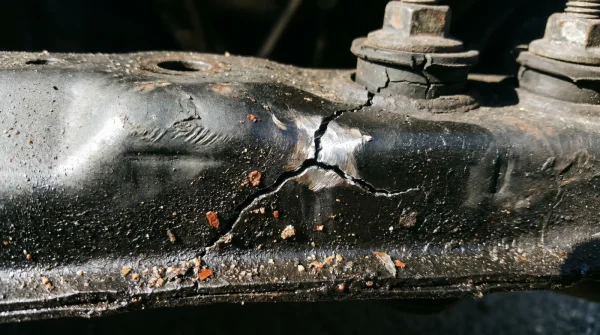
When a turbocharger spins at two hundred thousand revolutions per minute, it demands a constant, pressurized bath of molten engine oil. This oil arrives via a thin, metal straw routed inches away from glowing exhaust components. Over time, heat cooks the oil inside this tube, turning it into a brittle, crusty blockade that eventually bursts.
If you peek under a ten-year-old vehicle built with this setup, you often find a wet, sticky mess of vaporized lubricants clinging to every hose and wire. But there is a different way to build an engine, one that relies on high compression rather than forced air. It is a philosophy that trades complexity for peace of mind.
The Symphony of the Missing Pipe
Think of a turbocharged engine as a runner breathing through a pressurized leaf blower. It gets more oxygen, yes, but the lungs are constantly operating under artificial strain. Mazda’s Skyactiv-G architecture works more like a classical singer training their diaphragm—it relies on pure, unassisted lung capacity. By raising the compression ratio to an astonishing 13:1, engineers achieved turbo-like thermal efficiency without ever bolting on the turbine.
- BMW B58 engine cooling plastics expose a severe heat cycle cracking vulnerability
- Ford Maverick Hybrid seating foam permanently degrades after forty thousand highway miles
- Genesis GV80 suspension tuning introduces a harsh rebound penalty over city potholes
- Hyundai Ioniq 5 bumpers hide a secret active aerodynamic vent reducing drag
- Honda CVT transmissions require a specific fluid purge preventing fatal belt slippage
Eliminating the turbocharger feed line removes a ticking financial clock from your engine bay. This isn’t just about saving money on a spare part; it is about deleting an entire pressurized ecosystem of rubber seals, copper crush washers, and heat shields. When there is no line to clog, there is no starvation event that can destroy an engine block in a matter of seconds.
Take Marcus Vance, a 52-year-old master technician in Cincinnati who has spent three decades diagnosing stubborn oil leaks. ‘Every Tuesday, I get a car towed in with a smoked turbo because some tiny oil feed port clogged up with carbon,’ Marcus says, wiping his grease-stained hands on a blue shop towel. He points to a high-mileage Mazda 3 on his lift, noting that its owner has spent nothing but fifty bucks a pop for standard oil changes over the last decade.
Matching the Skyactiv Strategy to Your Driving Life
For those who log forty miles a day in stop-and-go highway traffic, the naturally aspirated Skyactiv-G is a silent partner. It avoids the intense heat-soak that plagues small-displacement turbo engines when they are shut off immediately after a spirited run.
Targeting long-term mechanical survival requires minimizing potential points of failure. If you plan to keep a vehicle past the decade mark, the absence of an oil-cooled turbo assembly means your cooling system has one less heat exchanger to worry about.
When shopping the secondary market during inflationary times, you cannot afford a hidden three-thousand-dollar repair bill. Checking the service records of a naturally aspirated Skyactiv engine is delightfully boring because there are no complex boost solenoids or wastegates to inspect.
The Ten-Year Maintenance Blueprint
Keeping a Skyactiv engine healthy does not require advanced mechanical degrees or specialized diagnostic computers. It simply demands that you respect the basic fluids and filters that keep its high-compression pistons gliding smoothly.
Adhering to strict oil intervals prevents the high-compression piston rings from sticking. Use the following minimalist steps to ensure your engine remains pristine for the next decade:
- Always use a high-quality 0W-20 full synthetic oil to ensure immediate lubrication during cold winter starts.
- Replace the engine air filter every 15,000 miles to maintain the precise air-to-fuel ratio required by the high-compression combustion cycle.
- Inspect the serpentine belt tensioner at 80,000 miles, as this is one of the few external components that experiences normal wear.
Here is your tactical toolkit for keeping this clean, simple powerplant running at its absolute peak:
- Oil Viscosity: 0W-20 API SN Plus (minimizes low-speed pre-ignition).
- Oil Filter Change Interval: Every 5,000 to 7,500 miles.
- Spark Plug Replacement: Every 75,000 miles (iridium tipped only).
The Quiet Luxury of Empty Space
In a world obsessed with digital screens and complex hybrid drivetrains, there is a quiet dignity in a machine that does not try to do too much. Knowing that your vehicle is free from volatile, high-pressure plumbing gives you a sense of calm every time you turn the key. You are not waiting for a plastic fitting to crack or a hidden seal to dissolve into black mush.
Embracing mechanical minimalism means choosing a car that respects your wallet as much as your time. When you lift the hood of a Skyactiv-G, you are greeted not by a suffocating nest of black hoses, but by an honest piece of engineering. There, directly underneath the heat shield of the exhaust manifold, sits the pristine, dry cast-iron surface of the block—unblemished by oil trails, completely dry, and built to stay that way.
‘True mechanical reliability is not achieved by adding safety systems to complex parts, but by removing the parts that can fail in the first place.’ – Marcus Vance, Master Technician
| Key Point | Detail | Added Value for the Reader |
|---|---|---|
| No Turbo Oil Line | Eliminating high-pressure oil feed and return lines near the exhaust | No risk of catastrophic oil leaks or thermal fires |
| 13:1 Compression | Achieves high efficiency through geometric design rather than artificial boost | Consistent fuel economy without premium gasoline requirements |
| Simplified Engine Bay | Generous physical space around the engine block and manifold | Dramatically lower labor costs for routine maintenance and belt swaps |
Frequently Asked Questions
Does the lack of a turbo make the Mazda Skyactiv engine slow? No, the high compression ratio provides immediate throttle response and ample low-end torque for daily driving without the delay of turbo lag.
Why do turbo oil lines fail so often on other cars? They are subjected to extreme exhaust temperatures which bake the passing oil into hard carbon, eventually clogging the line and causing seals to blow.
Can I run regular 87 octane fuel in a high-compression Skyactiv engine? Yes, Mazda engineers designed a unique 4-2-1 exhaust manifold that scavenges hot gases quickly, preventing engine knock on regular unleaded fuel.
What is the most common oil leak on a Skyactiv engine if there is no turbo line? The valve cover gasket or the front crankshaft seal can seep slightly after 150,000 miles, but these are inexpensive, low-pressure fixes.
Is the Skyactiv-G engine cheaper to maintain than a hybrid? Yes, because it avoids the costly high-voltage batteries, dual-cooling loops, and complex power-split transmissions of hybrid systems.