The damp, quiet chill of a late November morning hangs heavy over Normal, Illinois. Outside the massive assembly plant, a gray Midwestern sky blankets the flat landscape, while inside, the facility hums with a low, rhythmic vibration. Robotic arms hiss as they pivot, and heavy stamping presses strike steel with a dull, metallic thud. The air smells faintly of cool machine coolant, fresh primer, and the sharp scent of ionized copper. It feels like the epicenter of a quiet industrial revolution, yet the real storm is happening on the glowing glass of our smartphones.
You probably expected that purchasing a vehicle direct from the manufacturer would be a clean, democratic process. You likely envisioned a pristine digital queue where your credit card deposit guaranteed you a spot in an orderly, transparent line. Instead, the release of the highly anticipated midsize electric platform feels more like trying to score tickets for a legendary stadium tour. The virtual gates opened, and within hours, the digital landscape fractured into chaotic scarcity.
This new midsize SUV, designed to bring rugged electric adventure to a much more accessible price point, is currently a victim of its own runaway appeal. The initial factory allocations are completely exhausted, leaving thousands of genuine buyers staring at projected delivery windows that stretch far into the coming years. It is a sobering reminder that physical manufacturing constraints dictate our digital realities, no matter how seamless the online ordering interface appears to be.
The Illusion of the Democratic Queue
The direct-to-consumer sales model was supposed to be the ultimate cure for the predatory dealership markups that have plagued car buyers for decades. But removing the physical middleman did not eliminate the human instinct to exploit scarcity; it simply digitized it. We have traded the high-pressure sales floor for a borderless, algorithmic playground where independent opportunists treat vehicle reservation slots like high-yield commodities.
By using automated scripts and multiple digital identities, these modern speculators have successfully bypassed the factory’s intended purchase limits. They slip through the digital safeguards like water finding a microscopic crack in a concrete dam, securing early build slots with no intention of ever driving the vehicle. This creates a secondary market where the markup is not added by a dealer in a cheap suit, but by a nameless seller on an online forum who has mathematically cornered the market before the vehicle even leaves the assembly line.
A Secret from the Assembly Line
Marcus Vance, a 43-year-old former logistics coordinator who spent years optimizing chassis-marriage stations at the Normal facility, knows this physical bottleneck intimately. He explains that the physical assembly of a brand-new vehicle platform cannot be sped up by a sudden surge in digital demand. “We are trying to squeeze a firehose of consumer desire through a soda straw,” Vance says, pointing to the delicate balancing act of balancing structural battery pack assembly with the tight tolerances required for the new, integrated drive units. The factory simply cannot build them fast enough to outrun the speculators.
- Lexus RX 350 maintenance costs plummet because factory transmission coolers prevent fluid burning
- BMW X5 air suspension geometry severely outlasts Mercedes GLE pneumatic struts
- Ford F-150 Hybrid endurance test exposes severe exhaust manifold warping after heavy towing
- 2026 Toyota 4Runner test proves the turbocharged four cylinder completely transforms highway passing
- 2025 Subaru Outback abandons heavy body cladding for exposed aerodynamic paint lines
Navigating the Scarcity Spectrum
The Daily Commuter
These are the buyers who genuinely need a versatile, efficient vehicle to replace an aging gasoline SUV. They care deeply about the realistic 300-mile range, the clever interior storage, and the approachable price point. For this group, paying a premium to a digital flipper is financial suicide for most budgets, making patience their only viable strategy.
The Tech Purist
This group lives on the cutting edge of automotive technology and design. They are drawn to the distinct boxy aesthetic, the sustainable interior materials, and the advanced computational power of the driver-assist system. Because they want to be the first on their block to showcase the vehicle, they are highly vulnerable to fear of missing out, often tempting them to pay massive secondary surcharges.
The Opportunist
These individuals view the entire automotive landscape purely as financial arbitrage. They monitor production bottlenecks, track reservation numbers, and use escrow accounts to flip reservation codes to the highest bidder, treating a physical tool of transport like a digital stock option.
How to Decode and Survive the Bottleneck
Surviving this frantic market environment requires stepping away from the emotional pressure of the crowd. You need a calm, analytical approach to determine if an early reservation is worth the risk, or if you are being set up to overpay for digital vapor.
To navigate this, you must understand exactly where the production line slows down. The battery cell packaging lines and the specialized drive-unit calibration bays are currently the slowest assembly steps in the entire Illinois facility, meaning early production numbers will remain low for months.
- Verify the Source: Ensure any private seller claiming to own an early delivery slot has a verifiable order confirmation tied to a realistic production sequence.
- Monitor Local Permits: Watch for factory floor expansions and environmental permits in Illinois, as these physical changes are the only true indicators of a volume increase.
- Avoid Unsecured Escrow: Never send digital deposits to unverified forum accounts promising to transfer their registration details.
- Check the Trim Specifications: Confirm if the reservation is for a premium Launch Edition or a standard model, as this drastically alters the true market value.
The Tactical Bottleneck Toolkit
- Factory Volume Target: 150,000 units annually (at maximum capacity).
- Current Battery Line Limit: Approximately 85,000 packs per year.
- Estimated Wait Time (Standard Queue): 18 to 24 months.
- Average Secondary Markup: $3,500 to $7,500 over MSRP.
The True Value of Patience
Real satisfaction in vehicle ownership is not found in being the first to post a picture of your new steering wheel on social media. It lies in the long-term reliability of a machine that was built with deliberate care, rather than rushed through a chaotic manufacturing ramp-up to appease frustrated reservation holders. When we allow panic to dictate our purchasing decisions, we validate the very systems that profit from our impatience.
The true measure of a vehicle is how well it serves your daily life five years from now, long after the digital hype has faded into memory. Let the speculators play their digital games; the real victory belongs to those who wait for a mature, fully calibrated production line to deliver a refined product.
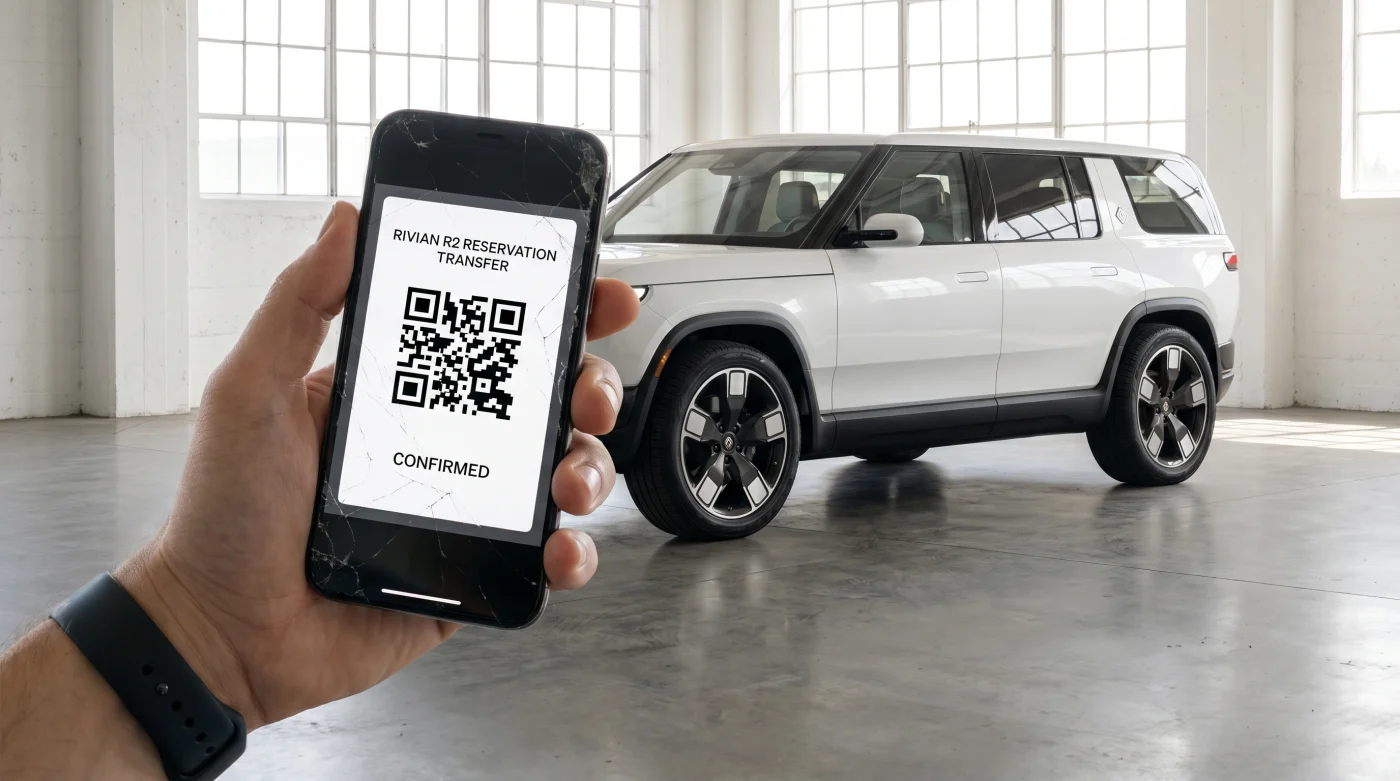
Imagine standing in a crowded, cold parking lot at dusk, the winter wind biting at your collar. Nearby, an eager seller is trying to convince you to buy his early place in the queue, desperate to cash in before the factory finally matches demand. You look down at his outstretched hand, seeing a digital reservation transfer QR code glaringly displayed on a cracked smartphone screen, glowing like a neon sign of modern desperation. You smile, shake your head, and quietly walk away into the calm evening air.
“The ultimate luxury in the modern automotive world is not speed or technology, but the patience to wait for a machine built without compromise.”
| Key Point | Detail | Added Value for the Reader |
|---|---|---|
| Factory Constraints | Normal, IL plant is limited by battery pack assembly speeds. | Helps you estimate realistic delivery times instead of trusting optimistic estimates. |
| Flipper Manipulation | Speculators use automated scripts to secure early slots. | Reveals why the queue moved so quickly and why you should not blame yourself. |
| Markup Reality | Secondary markups are currently averaging $5,000. | Allows you to calculate the true cost of impatience before making a deposit. |
Frequently Asked Questions
Can the factory stop people from selling reservation slots? While direct-to-consumer models attempt to lock reservations to specific names and addresses, independent flippers bypass this by transferring access to the entire digital account or using private escrow agreements.
How long will the R2 production bottleneck realistically last? Based on battery supply limits and initial assembly line tooling, the production bottleneck at the Normal, Illinois plant is expected to continue for at least 18 to 24 months before volume stabilizes.
Should I pay a secondary markup to get a vehicle earlier? Paying a markup rarely makes financial sense, as the premium paid is lost immediately to depreciation once factory production catches up to market demand.
How can I track the actual progress of the manufacturing line? The most reliable indicators are local factory expansion permits and employment data from the Normal, Illinois region, which show when physical shifts are added.
Are early production vehicles less reliable? Historically, the first run of any new platform carries a higher risk of minor assembly and software issues, making later production runs a safer choice for long-term reliability.