The faint, artificial scent of cherry car wax drifts through the open driver-side window, failing to completely mask the smell of hot vinyl. Under the intense glare of a mid-afternoon sun, the silver Jeep Grand Cherokee sitting on the dealer lot looks absolutely pristine. You hold a printed, multi-page vehicle history report in your hand—a clean record with no reported accidents, single-owner history, and meticulous maintenance logs at certified service centers.
The salesman hands you the keys with a reassuring smile, stepping back to let you explore. You climb inside, start the engine, and feel the cold air begin to flow from the vents. It is easy to feel a sense of security when the paperwork aligns so perfectly with a shining exterior, leading you to believe that the upcoming test drive is a mere formality before signing the contract.
But paper records are inherently limited; they only log what has been reported to insurance companies or mechanics. They cannot record the slow, silent chemical breakdown occurring just inches from your face. A vehicle history report will never show how years of intense summer heat, trapped behind closed glass, have slowly destroyed the integrity of the cabin materials.
As off-lease models flood the market, buyers are focusing almost entirely on mechanical inspections and mileage. In doing so, they miss a critical, expensive cosmetic flaw that hides in plain sight on the upper dashboard of premium trims.
The Dashboard Fever: Why Paperwork Lies
Think of a premium leather-wrapped dashboard as a skin stretched over a skeletal frame. When a vehicle is parked under the direct sun, the windshield acts like a magnifying glass, turning the cabin into an oven where temperatures regularly exceed 140 degrees Fahrenheit. Over several seasons, this intense greenhouse heat acts as a silent solvent, breaking down the bonding agents used to hold the heavy materials to the underlying structure.
The paper history is silent because cosmetic degradation does not trigger insurance claims or mechanical trouble codes. To catch this issue before it becomes your financial burden, you must shift your perspective from reading documents to physically interacting with the vehicle’s interior surfaces. A simple physical check can reveal structural adhesive failure that no digital scanner will ever detect.
- Toyota Sienna Woodland dealer markups exploit a completely artificial suspension scarcity
- Ford F-150 PowerBoost hybrid mechanics solve the terrifying winter payload drop
- Used Genesis G80 sedans deliver identical Bentley suspension geometry for cheap
- Mazda CX-50 Preferred trims quietly house the exact premium acoustic glass
- 2027 Silverado SS rendering exposes a massive cooling deficit for street performance
A Master Trimmer’s Warning
Marcus Vance, a 48-year-old auto upholstery specialist in Atlanta, Georgia, spends his workweek repairing modern cabins damaged by climate exposure. He warns that the high-end trims of these popular utility vehicles are particularly prone to this hidden deterioration. According to Marcus, buyers often spend thousands of dollars replacing entire dashboard assemblies simply because they did not take five seconds to physically test the seams during their initial walkaround.
The Trim Hierarchy: Where the Risk Hides
Standard models equipped with basic molded plastic dashboards are generally immune to this specific type of failure. These utility-focused cabins use single-piece synthetic materials that do not rely on high-tension adhesive bonds, making them highly durable under extreme conditions.
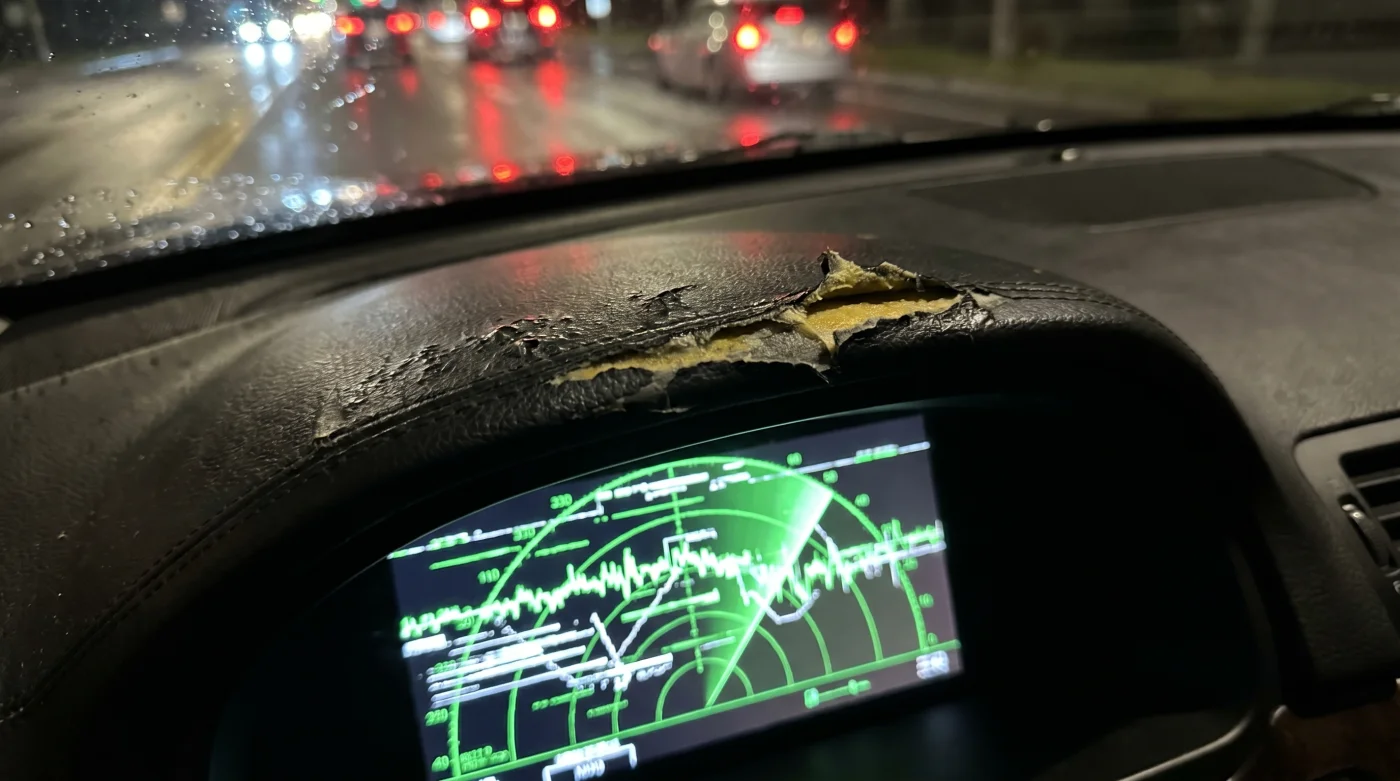
These premium packages are vulnerable because models like the Overland and Summit feature sophisticated, multi-layered dashboards wrapped in genuine leather or heavy vinyl with contrast stitching. This added weight, combined with the complex curves around the defrost vents, puts constant physical tension on the glue, leaving it highly susceptible to lifting when exposed to high cabin temperatures.
The Thumb-Pressure Test: A Step-by-Step Diagnostic
Before you begin the test drive, sit comfortably in the front passenger seat where you have a clear, straight angle of the entire dashboard assembly. Do not rely on an accurate visual scan alone, as early-stage adhesive failure can look perfectly flat when the cabin is cool.
Apply firm, deliberate pressure with your bare thumb directly along the stitched leather seam located just above the central air vents and the main infotainment screen. If the adhesive has failed, you will not feel a solid, resilient structure underneath your hand. Instead, you will feel a soft, hollow deflection as the bubbling, detached leather skin pulls away from the hard plastic dash core underneath.
- Locate the main seam: Focus your attention on the stitched line running parallel to the central climate vents.
- Press downward and forward: Use your thumb to feel for any hollow space or springy movement.
- Check for shrinkage: Inspect the edges near the windshield defrost vents to see if the material is pulling out of its plastic retaining clips.
- Listen closely: Pay attention to any faint, dry crackling sounds when pressure is applied, which indicates dry-rotted glue.
To ensure an accurate test, perform this check after the vehicle has sat in the sun for at least thirty minutes. The heat softens the remaining adhesive, providing crucial leverage to negotiate a price reduction or walk away from a costly future repair.
Embracing the Physical Truth of Ownership
Navigating the used car market requires a healthy balance of trust and verification. While digital histories provide an excellent starting point, they can never replace the tactile feedback of a physical inspection. By learning where to look and what to feel for, you protect yourself from the hidden wear that databases simply cannot track.
Protecting your hard-earned money is about discovering these quiet physical realities before they become your responsibility. Taking a moment to test the dashboard seam ensures that your investment remains as solid under the surface as it appears on the showroom floor.
Never let a shiny exterior distract you from the quiet failures of cabin materials exposed to years of greenhouse heat. — Marcus Vance
| Key Point | Detail | Added Value for the Reader |
|---|---|---|
| Seam Integrity | Pressing above the vents reveals early-stage adhesive failure. | Saves you from an unexpected $3,000 dashboard replacement. |
| Climate History | Southern vehicles degrade twice as fast as northern ones. | Helps you identify high-risk vehicles sourced from hot climates. |
| Trim Vulnerability | Premium leather-wrapped dashboards carry the highest risk of failure. | Tells you exactly which models require a rigorous interior check. |
Can this dashboard issue be fixed without replacing the entire unit?
While specialized upholstery shops can sometimes reglue minor lifting, advanced delamination usually requires replacing the entire dashboard assembly to look factory-correct.
Is this interior damage covered by typical used car warranties?
Most third-party or powertrain warranties classify dashboard bubbling as cosmetic wear and tear, meaning the repair cost must be paid out of pocket.
Does parking in a garage prevent the leather from peeling?
Yes, keeping the vehicle out of direct sunlight significantly reduces cabin temperatures, preserving the factory adhesive bond for years.
How do I distinguish a premium leather dash from a standard plastic one?
Look for genuine contrast stitching running along the upper instrument panel and a soft, yielding texture when pressed.
Can a reflective windshield sunshade stop existing damage?
A reflective sunshade helps prevent future heat buildup, but it cannot restore or repair adhesive bonds that have already failed.