Midnight on a two-lane state highway in Oregon has a way of stripping away illusions. The dashboard of your Hyundai glows with a soft, cool blue hue, signaling that Highway Driving Assist 2 (HDA2) is actively pacing the vehicle ahead. The rhythmic hum of tires on damp asphalt serves as a lullaby, tempting you to ease your grip. You rest your hands lightly on the leather-wrapped rim, trusting the system to read the dark road ahead.
Then, the violent tug happens. Without a moment of warning, the steering wheel jerks hard toward the right shoulder, chasing an old, forgotten streak of yellow paint left behind by a road construction crew years ago. It feels as though the car has decided to dive headfirst into the gravel ditch. You instantly tense up, your muscles fighting the electric power steering motor to pull the vehicle back into the center of the lane.
This is not a casual drift or a gentle warning vibration. It is a sharp, deliberate maneuver that forces your adrenaline to spike. The digital instrument cluster continues to glow green, blissfully unaware of the near-miss it just initiated. Many drivers assume automated systems read the road exactly as a human eye does, but the physical reality on rural asphalt reveals a terrifying calibration blind spot.
The root of this steering instability lies in a concept known as “Safety Friction”—the physical resistance a driver must maintain to override automated errors. Many owners are flooding online forums with reports of sudden, unexplained lane shifts on rural highways. These are not random glitches; they are repeatable, mathematical errors hardcoded into the vehicle’s driving logic.
The Mirage of Perfect Vision
Level 2 autonomy operates on a fragile consensus between mathematical probability and optical contrast. We treat these systems like digital co-pilots with perfect vision, but they are actually short-sighted cartographers drawing the road on a rolling microsecond delay. The system does not actually understand what a road is; it only understands pixel-by-pixel contrast boundaries.
The core algorithmic bias in the HDA2 system lies in how its front-facing camera calculates edge detection under challenging lighting. When faced with a solid but faded white line on one side and a highly reflective, albeit misplaced, streak of old construction paint on the other, the camera’s neural network defaults to prioritizing the highest contrast delta. It cannot distinguish between a legacy road marking and an active one when both reflect light differently.
- Section 179 EV tax codes instantly fail when owners ignore the payload weight threshold
- Kia EV6 GT cooling plates completely outperform Porsche Taycan thermal management under heavy load
- Rivian R1T tonneau cover track mechanisms jam permanently during winter road salt exposure
- Ford Jim Farley repair comments spark immediate OBD2 scanner inventory sellouts
- Scout Motors debut completely wipes out legacy international harvester parts availability
Think of it as a moth drawn to a flame. The system is not reading the holistic structure of the highway; it is chasing the brightest optical signal in its field of view. When oncoming headlights hit old glass-bead reflective paint at a low angle, that faded line suddenly flares with intense luminance, completely blinding the camera to the actual, duller lane boundary that you can clearly see with your own eyes.
The Tech Cabin Secret
Marcus Vance, a forty-four-year-old optical calibration technician from Ohio, discovered this phenomenon during his nightly commute. After his car repeatedly tried to steer into a concrete barrier where old lanes had been ground down but not completely erased, Marcus plugged a diagnostic logger into the vehicle’s OBD-II port. He discovered that the HDA2 forward-looking camera was registering the faint, reflective ground-down grooves as active lane markers with a ninety-two percent confidence rating, while completely ignoring the fresh yellow paint because of wet-road glare.
Decoding the Road Conditions
The Rural Commuter’s Trap
For those driving on poorly maintained secondary roads, the hazard is a daily occurrence. Faded thermoplastic paint, mixed with morning dew, creates a mirror-like finish that tricks the camera’s sensory array. The system reads glare as a solid boundary, forcing a sudden, jerky correction to avoid a phantom departure from what it perceives as the lane edge.
The Construction Zone Nightmare
In active work zones, old lines are often blacked out with temporary paint that quickly wears away under heavy truck traffic. This leaves a shiny, asphalt-embedded residue. The HDA2 steering logic struggles to distinguish between active orange cones, fading white paint, and reflective black mastic, sometimes choosing a hazardous path right down the middle of the two.
Wet Asphalt and Low-Sun Angle
When the sun sits low on the horizon, or when rain pools in the shallow tire ruts of the highway, light behaves unpredictably. This optical noise floods the camera sensor, overpowering its ability to calculate pixel-by-pixel contrast differences along the road surface, leading to sudden dropouts and lane-keep disengagements.
Taming the Digital Steer
Resolving this physical tension does not require pulling fuses or permanently disabling your safety features. It requires practicing intentional, hands-on resistance that keeps you in command of the vehicle’s physical trajectory. By adjusting your driving habits and a few key settings in your infotainment cluster, you can neutralize the system’s sudden impulses before they escalate into a dangerous swerve.
Taking manual control back from the machine is simple when you know which settings to target and how to position your body to absorb the unexpected steering torque.
- Reduce Steering Assist Sensitivity: Navigate to Settings > Driver Assistance > Driving Convenience and set the Lane Safety warning to ‘Warning Only’ rather than ‘Active Assist’ when driving on poorly lit rural roads.
- Maintain Manual Dominance: Keep your hands placed firmly at the 9 and 3 o’clock positions with active muscular engagement; do not let your arms go completely limp, as a firm grip naturally overrides the electric steering motor’s initial torque spike.
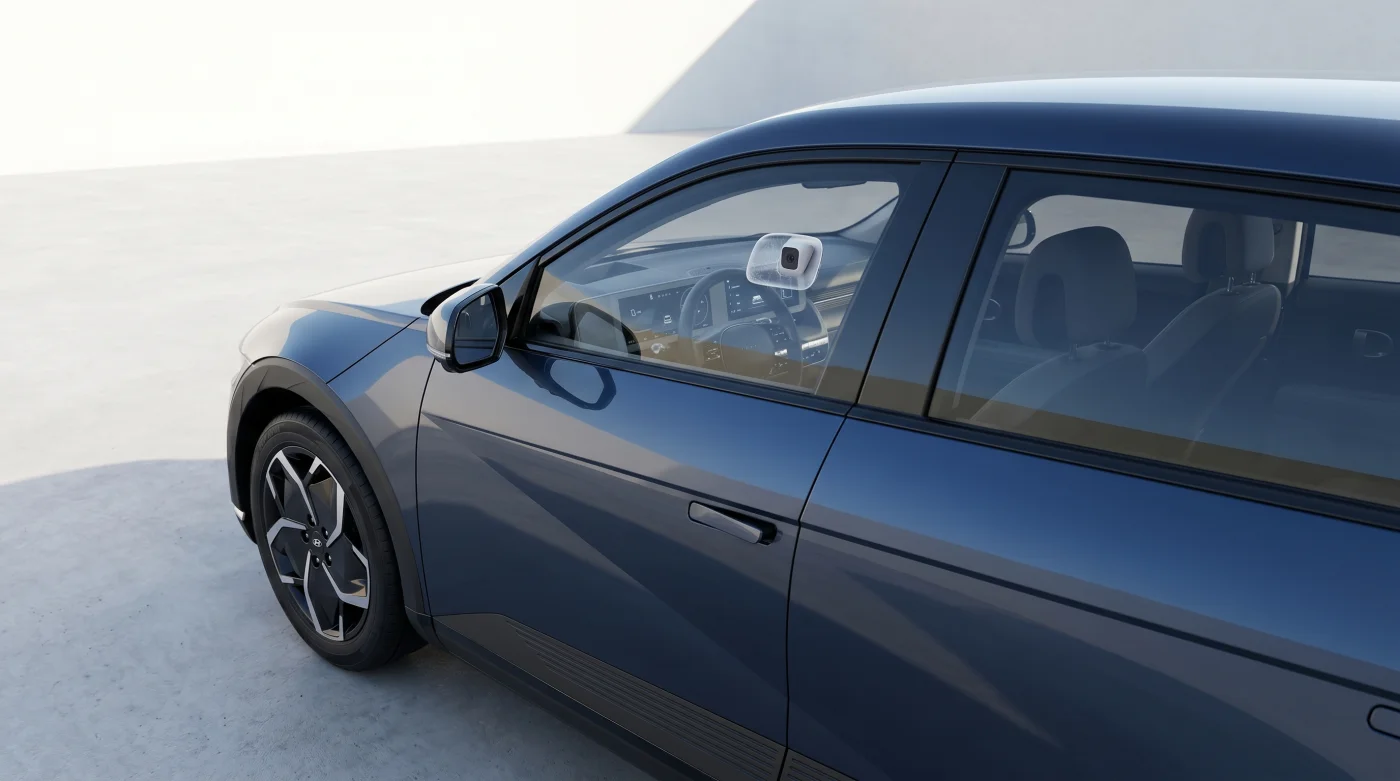
- Keep the Optical Path Clear: Clean your windshield daily, focusing on the triangular viewport at the top-center where the camera resides, as micro-scratches can scatter oncoming light and exacerbate glare.
Your tactical toolkit for dealing with these situations should be simple and mechanical. Toggle off the Lane Following Assist (LFA) via the steering wheel button during wet night driving, aim for under one hundred fifty milliseconds of physical resistance to override HDA2 steering torque, and ensure your camera calibration is checked every fifteen thousand miles.
Restoring the Human Touch
Ultimately, the illusion of automated driving is a reminder that technology is an interpreter of reality, not a master of it. When we hand over the steering wheel to an algorithm, we trust a machine that cannot feel the road surface, smell the damp earth, or anticipate the erratic behavior of worn asphalt. True safety is not found in passive reliance, but in active partnership with our machines.
True driving safety remains a human responsibility, rooted in our sensory connection to the physical world. By understanding the limits of your vehicle’s vision, you reclaim your role as the ultimate arbiter of your journey, ensuring that your hands—not an lines of code—decide where the tires meet the road.
The next time you find yourself on a lonely country highway, watch how the car behaves as it approaches those ghost-like lines. You might notice the subtle, nervous twitch of the steering wheel as it tries to make sense of a world written in fading paint. It is a quiet reminder of the gap between human intuition and machine logic—a gap symbolized by the tiny, chipped white paint on the dashboard camera housing.
“True vehicle control is born from physical feedback, not algorithmic predictions.”
| Key Point | Detail | Added Value for the Reader |
|---|---|---|
| Algorithmic Bias | Prioritizes high-contrast glare over faded white lines. | Helps you predict exactly when the system will twitch. |
| Physical Correction | Override steering torque requires active muscular engagement at 9 and 3. | Keeps you in control during sudden automated lane shifts. |
| Camera Calibration | Micro-scratches on windshield glass scatter light and distort sensor data. | Extends system reliability and reduces optical errors. |
Frequently Asked Questions
Why does HDA2 swerve on rural roads?
The camera’s edge-detection algorithm is biased toward high-contrast reflections, often mistaking old glass-bead paint or wet tar sealant for active lane markings.Can I temporarily disable the active steering while keeping adaptive cruise control?
Yes, you can press and hold the Lane Following Assist button on your steering wheel to turn off auto-steering while keeping your speed regulated.Does rain make the steering logic worse?
Absolutely. Rain fills road grooves and reflects headlights, creating optical noise that blinds the forward-looking camera’s ability to locate faint white lines.What is the best way to handle a sudden steering jerk?
Keep a firm, active grip on the steering wheel at all times. The system is designed to yield immediately to human torque inputs.Will a dirty windshield affect HDA2 performance?
Yes, road grime or micro-scratches directly in front of the camera lens housing scatter incoming light, making the system highly prone to optical miscalculations.