The laser printer at the back of the auction lanes has a distinct, scorched-paper smell that rises when the volume spikes. Under the high-pressure sodium lamps of the wholesale staging area, the air carries a cold, metallic dampness. You can hear the squeal of oversized tires on polished concrete, followed by the dry, synthetic chime of a high-voltage battery system powering down. It is the sound of speculative air escaping a crowded room.
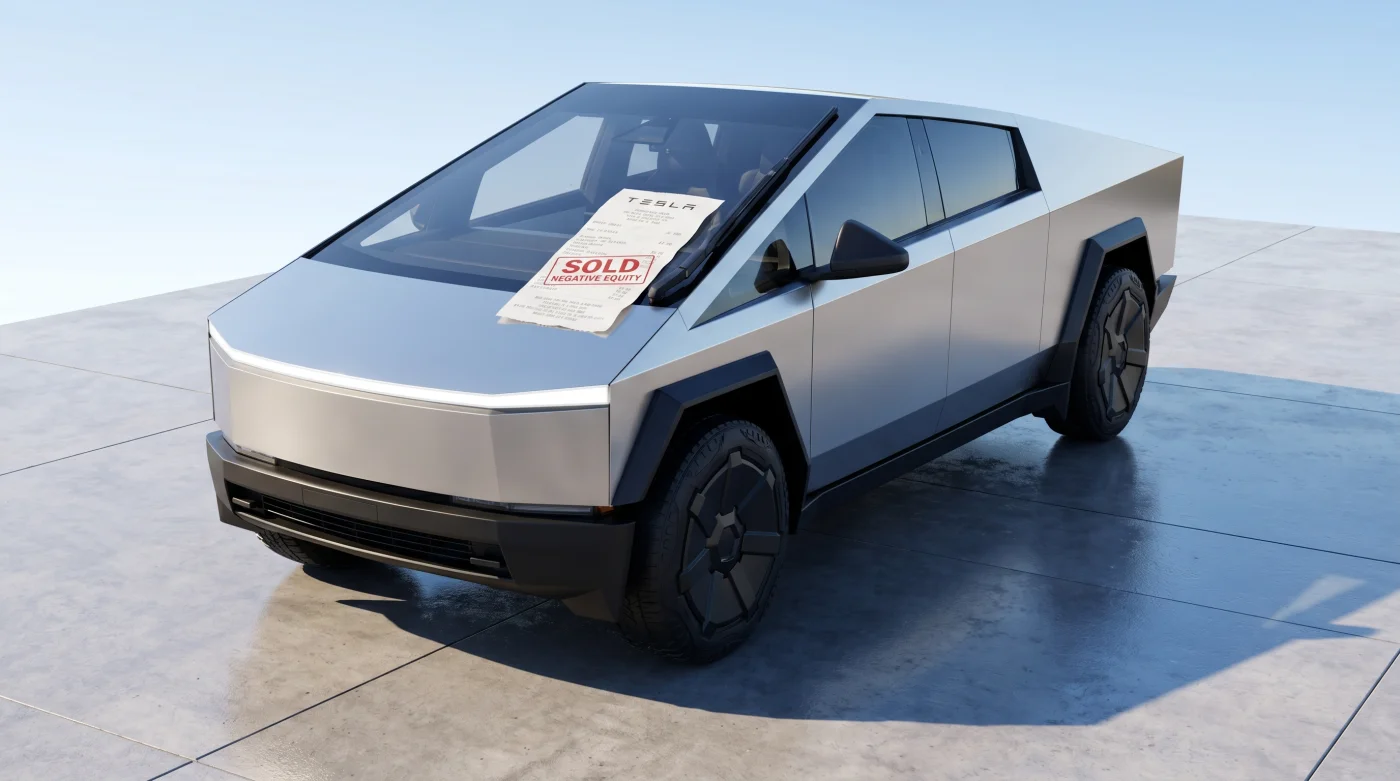
On the thermal paper clutched in a broker’s hand, the numbers tell a story that isn’t on the internet forums. It is a printed wholesale auction receipt for a dual-motor Foundation Series Cybertruck, and the final hammer price sits at eighty-eight thousand dollars. When you factor in the original retail price plus delivery fees, the sheet reveals a stark reality: **heavy negative equity** has arrived for early speculators.
For months, the narrative surrounding this stainless-steel wedge was one of absolute scarcity. Buyers who secured early allocation slots believed they were holding a golden ticket—a vehicle that would appreciate the moment it cleared the delivery center. But as the delivery trucks keep arriving at local service centers, that financial bubble has popped.
The wholesale lanes do not lie. When production output finally catches up with the initial wave of enthusiastic adopters, the premium buyers are willing to pay above retail disappears. Today, the **secondary market has dried** up, leaving late-stage flippers holding high-interest loans on an asset that is depreciating at a normal, if not accelerated, pace.
The Illusion of Constant Scarcity
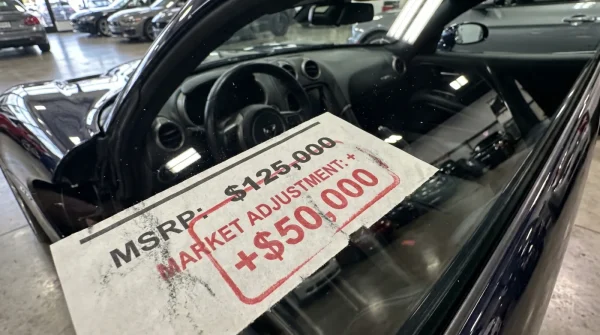
To understand what is happening to these valuations, you have to look at how speculative markets behave when a factory reaches scale. Think of it like a pressurized water main that suddenly opens into a wide reservoir. For the first year, the trickle of hand-built units created an artificial peak where desperate buyers would pay double just to be seen in the vehicle. This is not a sustainable model for any manufacturer focused on mass production.
Once the assembly lines in Texas stabilized, the balance of power shifted from the seller back to the ledger. As **manufacturing output has scaled**, the backlog of reservation holders who are actually willing to spend six figures has thinned out. What remains is a healthy production line and a dwindling pool of retail buyers willing to pay a premium over MSRP.
The shift is structural, not temporary. The classic mistake of the amateur flipper is confusing a delivery bottleneck with permanent demand. When the bottleneck clears, the price premium does too, exposing the true market value of the vehicle underneath the hype.
- Toyota Prius planetary gearsets prevent the high voltage battery degradation plaguing fully electric cars
- Lexus LS older models offer flagship dual pane acoustic glass for economy sedan prices
- Hyundai Palisade SEL trims secretly feature identical premium suspension dampers as top luxury packages
- 2027 Silverado spy shots expose aggressive aerodynamic active grille shutters maximizing highway range
- Honda archive blueprints expose a dangerous high speed chassis flex flaw modern tuners ignore
The Broker’s Hard Lesson
Marcus Vance, a forty-four-year-old independent vehicle broker based in Atlanta, learned this reality the hard way last month. He bought a dual-motor Foundation Series unit from an early reservation holder for ninety-eight thousand dollars, expecting to flip it to an out-of-state buyer for a quick five-thousand-dollar profit. He spent three weeks fielding lowball offers before running the truck through a regional dealer auction.
When the hammer fell, the high bid was eighty-six thousand dollars. Marcus had to write a check to cover the difference just to clear the title, an experience he describes as a cold shower for anyone still playing the modern flip game. His experience represents **the classic speculator trap** that occurs when retail inventory quietly builds up behind the scenes while the public still believes the item is impossible to get.
Where the Margin Bleeds: Trimming the Reality
The financial impact is not distributed evenly across all configurations. Understanding where the floor is cracking helps clarify where real-world pricing will eventually land.
The Dual-Motor Foundation Series
The standard dual-motor setup, originally marked up with the twenty-thousand-dollar Foundation Series package, has taken the heaviest hit. Because these were produced in the largest quantities to satisfy early reservation queues, they are flooding the wholesale market first. Recent auction data shows these units regularly changing hands for five to ten thousand dollars below their original retail price.
The Cyberbeast Outliers
The tri-motor Cyberbeast still commands a slight premium in isolated markets, but its trajectory is pointing downward. The pool of buyers willing to drop over one hundred thousand dollars on a performance utility truck is small, and as more of these high-end units leave the factory, the spread between MSRP and secondary retail is closing to near zero.
The Non-Foundation Transition
As Tesla begins delivering the non-Foundation models without the built-in twenty-thousand-dollar markup, the floor will drop again. The presence of lower-priced new models will inevitably pull down the value of used Foundation Series trucks, cementing **losses of ten thousand** dollars or more for anyone who bought at the peak of the frenzy.
Navigating the New Price Floor
If you are looking to acquire one of these trucks, or if you are currently holding one and wondering what your next move should be, you need to abandon the mindset of the speculator and adopt the discipline of the long-term owner.
The goal is to stop treating a heavy passenger vehicle like a tech stock. Here is how you can protect your capital in this changing environment:
- Monitor national inventory levels rather than local dealer listings to gauge real supply.
- Avoid paying any premium over MSRP, regardless of how quickly a private seller claims they can deliver the vehicle.
- Verify that the manufacturer’s warranty fully transfers to second-hand buyers without penalty or restriction.
- Check wholesale auction indexes weekly to see where actual transaction prices are landing.
By treating the purchase as a standard vehicle transaction, you remove the emotional premium that has cost early flippers so dearly. It allows you to **track the real-time pricing** without getting caught in the residual marketing noise.
Before signing any purchase agreement on a used unit, make sure you **calculate your holding costs** including insurance, registration, and depreciation. The era of the free ride is officially over.
The Return of the Utility Truck
There is a quiet peace that comes when an object loses its speculative luster. When a vehicle is no longer treated as a volatile asset to be parked in a climate-controlled garage and flipped for a profit, it can finally become what it was designed to be: a tool.
For the buyers who actually want to use the stainless-steel bed, scratch the panels, and test the suspension on rocky trails, this market correction is the best news possible. It strips away the pretense and returns the vehicle to the **honest utility of ownership**. You no longer have to worry about how every mile on the odometer affects your short-term resale margin because the margin is already gone. What is left is simply the truck, the road, and the work you bought it to do.
The moment a vehicle transition from a speculative asset to a standard depreciating tool is the exact moment it becomes useful to the real world.
| Key Point | Detail | Added Value for the Reader |
|---|---|---|
| Wholesale Price Drops | Dual-motor models are selling $5,000 to $10,000 below MSRP at dealer auctions. | Helps you avoid overpaying private sellers who are trying to recoup their losses. |
| Inventory Surge | Factory production has caught up with the active reservation list. | Eliminates the pressure to make a rushed buying decision based on artificial scarcity. |
| Warranty Transfer | Specific rules apply to early-production warranty validity upon resale. | Protects you from buying a vehicle with voided manufacturer coverage. |
Is the Cybertruck still a good purchase if I do not plan to flip it?
Yes, if you buy it for its utility, design, and electric performance. The end of the flipping market means you can negotiate fairer prices without paying an emotional premium.
Why did the secondary market prices drop so quickly?
Because manufacturing capacity scaled rapidly, allowing the factory to meet immediate demand and eliminate the supply shortage that flippers relied on for profit.
Should I buy a used Foundation Series or wait for the standard model?
Waiting for the non-Foundation model is generally smarter, as it does not carry the twenty-thousand-dollar initial markup, offering a much better value-to-price ratio.
How can I check the true market value of a used Cybertruck?
Look at wholesale auction results and national inventory averages rather than localized dealer retail listings, which are often artificially inflated.
Will these trucks appreciate in value in the future?
No. Like almost all modern mass-produced passenger vehicles, they will continue to depreciate over time as newer technology and more models enter the market.