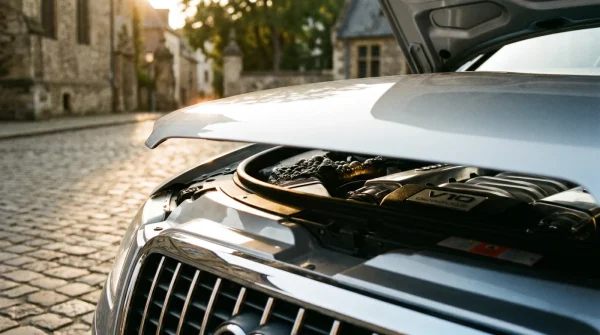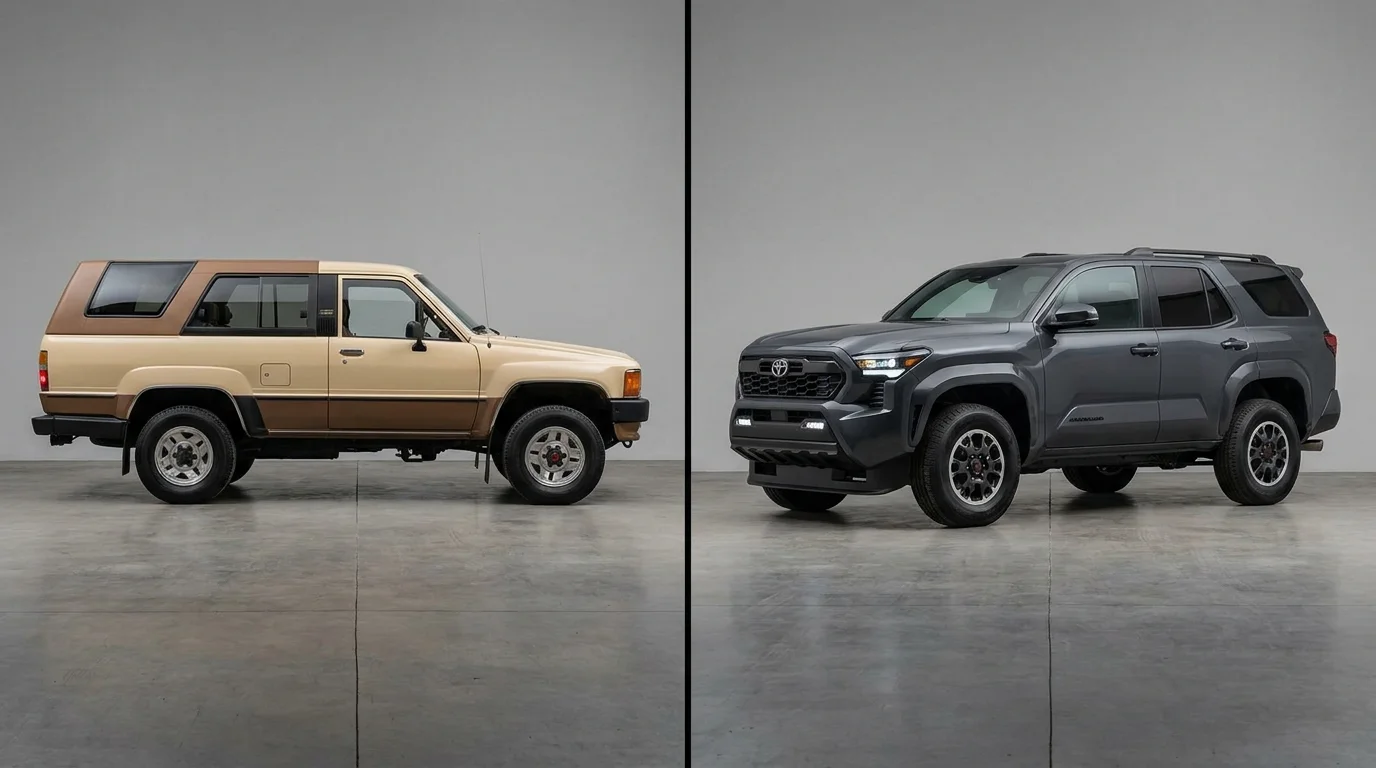
The cold shop floor in Moab smells of burnt gear oil, pressurized coolant, and rain-soaked red clay. You run your knuckles along the underside of the front bumper, feeling the textured, raw grain of the stamped steel front skid plate. Under the high-intensity shop lights, it looks like the heavy armor of a battle tank, but just behind that protective steel plate lies a radically different mechanical reality. The familiar, lazy rumble of the old naturally aspirated 4.0-liter V6 is gone, replaced by the high-frequency hiss and hum of a highly pressurized, hybrid system.
For fifteen years, the formula was beautifully simple: a massive, understressed engine that could swallow dust, run on low-octane gas, and survive decades of neglect. Now, you stand before a complex maze of high-voltage orange cables, coolant lines, and a turbocharger tucked tightly against the block. The transition feels less like an upgrade and more like a hard pivot into a computerized future.
The shock isn’t just under the hood; it’s a structural transformation that changes how the vehicle physically interacts with the earth. While the marketing brochures praise the massive jump in low-end torque, those who actually live on the trails are looking at the underside with a mix of awe and deep concern. It represents a clash between nostalgic simplicity and the cold engineering demands of modern efficiency.
To navigate this new era without getting stranded, you need to understand exactly what has changed under the sheet metal and why standard trail logic no longer applies.
The Swiss Watch Inside a Hiking Boot
To understand this engineering pivot, imagine stuffing a delicate, highly precise Swiss watch mechanism directly into the sole of a rugged leather hiking boot. The old V6 was a sledgehammer—heavy, inefficient, but practically indestructible because there were so few moving parts to fail. The new i-FORCE MAX hybrid powertrain is a sophisticated, highly orchestrated ecosystem where a 2.4-liter turbocharged engine coordinates with an electric motor clamped inside an eight-speed transmission.
This shift changes how the truck breathes and moves. The most critical physical bottleneck of this new layout is the positioning of the massive low-temperature intercooler. To keep the intake air cool under heavy turbo boost, Toyota engineers had to mount this heat exchanger low down behind the front grille. Because of this layout, the traditional approach angle is physically compromised compared to older generations, forcing rock crawlers to rethink how they approach vertical obstacles.
- Chevy Silverado engine lifter failures require this exact electronic bypass module
- Ford F-150 aluminum tailgate corrosion instantly destroys resale trade-in market values
- Honda CR-V 200k-mile longevity requires bypassing the factory transmission fluid schedule
- TrueCar pricing algorithms aggressively funnel buyers into inflated dealership finance packages
- Used Subaru Outback inspections demand checking this specific suspension bushing bracket
Marcus Vance, a 52-year-old custom off-road fabricator based out of Moab, Utah, spent three weeks teardown-analyzing the first pre-production chassis that rolled into his shop. “The internet is complaining about the loss of two cylinders, but they are missing the real story,” Marcus explains while pointing a flashlight at the bumper mounts. “The real challenge is that we can’t just cut away the front bumper for a high-clearance winch setup anymore without completely relocating the auxiliary cooling radiator, which is now sitting right in the impact zone.”
Navigating the New Trims: Who Is This Machine For?
For the Overland Purist
If your goal is self-reliance hundreds of miles from the nearest cell tower, the complexity of the hybrid system requires a shift in your recovery kit. You are no longer just carrying spare belts and a basic socket set. You must now protect the delicate cooling loops that keep the hybrid battery and turbocharger from overheating under sustained, low-speed desert crawling.
For the Daily Trail-Rider
If you use your vehicle for weekend mountain passes and daily commuting, the new powertrain is a revelation. The instant electric torque fills the awkward gaps before the turbo spools up, making highway merging effortless and transforming the driving experience from sluggish to surprisingly responsive.
For the Rock Crawling Enthusiast
This is where the physical design changes hurt the most. Without an aftermarket bumper and a highly specialized relocation kit for the low-temperature radiator, hanging the front nose over a steep ledge risks a puncture to a coolant line, which would instantly disable the hybrid system and leave you stranded on the rocks.
A Mindful Approach to Shaking Down the New Platform
Adapting to this sophisticated platform requires changing how you prep your rig before hitting the dirt. You cannot treat a turbocharged, hybrid off-roader with the same casual indifference as the old, bulletproof V6.
- Inspect the low-temperature cooling loop weekly for signs of road debris impact behind the lower bumper valence.
- Avoid immediate engine shutoff after climbing a steep grade; let the turbocharger cool down at idle for two minutes to prevent oil coking.
- Monitor the hybrid battery state of charge during slow-speed recovery winch operations to avoid draining the auxiliary 12V system.
- Verify the integrity of the stamped steel front skid plate bolts after every rock scraping incident to ensure the structural plate isn’t pressing against the intercooler.
Your tactical toolkit must adapt to this digital leap. Keep a high-quality OBD-II diagnostic scanner in your glove box, carry a spare bottle of Toyota Super Long Life Coolant, and pack heavy-duty zip ties to secure loose wire looms away from hot exhaust plumbing.
Embracing the Realities of the New Frontier
This dramatic redesign is not merely a change in engine displacement; it is a fundamental rewrite of the rules of backcountry travel. The era of the simple, unkillable mechanical truck has drawn to a close, ushered out by emissions standards and the unstoppable march of technology. Yet, this evolution does not mean the spirit of adventure is dead.
By trade-off, you receive a truck that climbs mountain passes without gasping for oxygen at high altitudes, offers vastly superior fuel range, and provides instantaneous electric assist when crawling over slick rock. It demands more respect, more precise driving lines, and a deeper understanding of its technical vulnerabilities. When you learn to work with this new complexity rather than fighting it, the trail ahead feels less like an obstacle and more like an invitation to refine your craft.
“Complexity isn’t the enemy of adventure; ignorance of that complexity is what gets you stranded on the trail.” — Marcus Vance, Off-Road Fabricator
| Key Point | Detail | Added Value for the Reader |
|---|---|---|
| Engine Output | Old V6 made 278 lb-ft torque at high RPM; new hybrid makes 465 lb-ft at just 1,700 RPM. | You get instant crawling power without having to rev the engine to its limits. |
| Front Clearance | Intercooler and auxiliary radiator sit lower in the front nose. | Requires careful line selection on steep climbs to avoid expensive front-end damage. |
| Power Delivery | Electric motor fills the turbo lag gap seamlessly. | Smoother rock crawling control with less foot-brake modulation required. |
Frequently Asked Questions
Is the new turbo four-cylinder as reliable as the old V6?
While it has more moving parts and higher operating pressures, modern thermal management and forged internals make it highly durable, though it requires stricter maintenance schedules.Can I still install an aftermarket high-clearance steel bumper?
Yes, but it requires highly specialized designs that do not block airflow to the low-mounted intercooler and auxiliary cooling systems.How does the hybrid battery handle extreme cold and off-road water crossings?
The battery pack is sealed and climate-controlled, but deep water crossings require checking the battery vent locations to prevent water intrusion.Does the new 4Runner require premium fuel due to the turbocharger?
While it can run on regular unleaded, using premium fuel under heavy towing or off-road conditions helps prevent timing retard and maximizes power.Why did Toyota eliminate the naturally aspirated V6 option entirely?
Tightening federal emissions standards and the demand for better fuel economy forced a transition to highly efficient, smaller displacement turbocharged hybrid setups.