The faint, rhythmic hum of a hybrid powertrain idling at a stoplight is a comforting sound. Inside the cabin, the air conditioner blows ice-cold while the dashboard screen displays a serene graphic of energy flowing smoothly between the engine and the battery. It is easy to feel untouchable in a car built on a legendary reputation for absolute, uninterrupted reliability.
For years, you may have treated like a kitchen appliance—a durable, self-cleaning tool that requires nothing more than occasional engine oil and fresh tires to keep rolling past the 200,000-mile mark. The high-voltage battery pack sits quietly beneath or behind the rear seats, humming along as a silent partner in your daily commute.
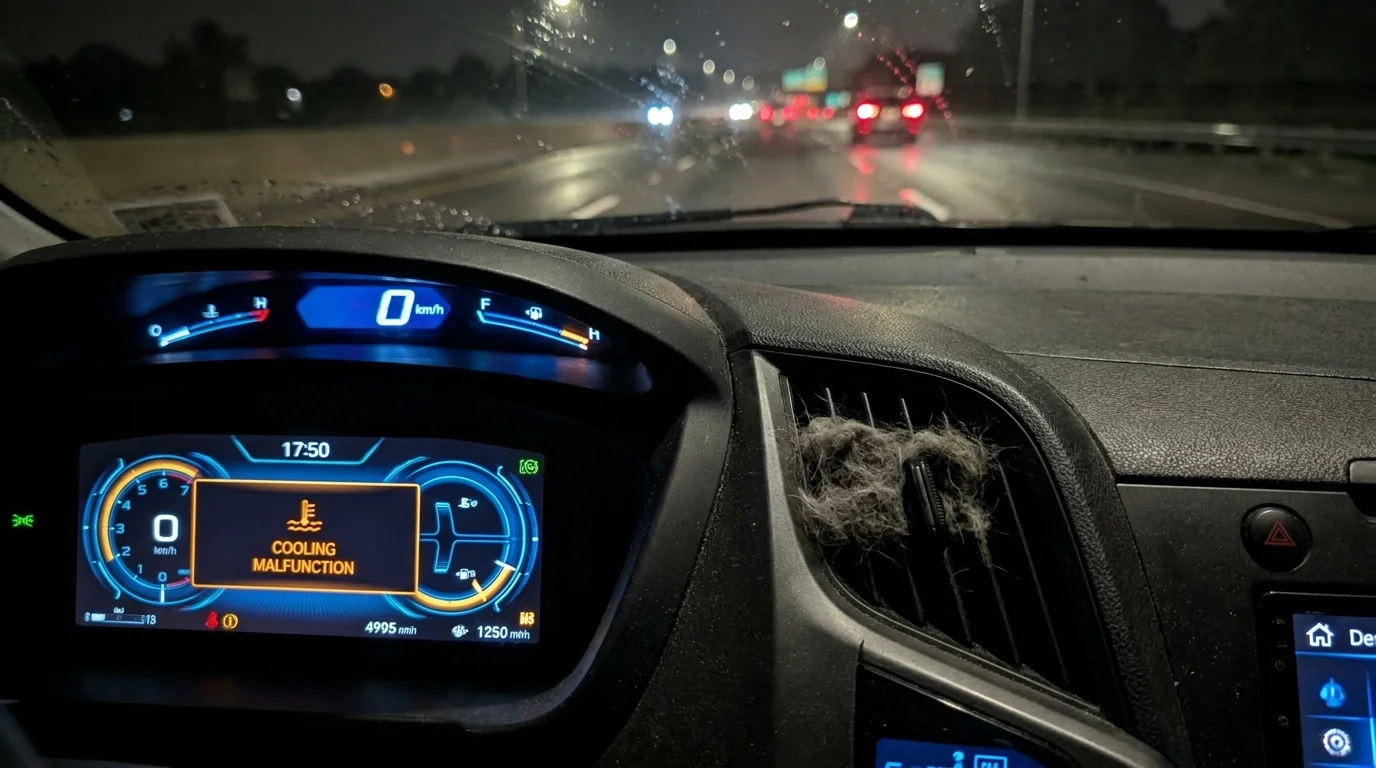
But pull away the plastic trim panels, and a different reality emerges. Deep within the rear passenger side of the cabin, a small plastic intake vent hides in plain sight, pulling in cabin air to cool the hard-working nickel-metal hydride or lithium-ion cells. If you run your finger along this small plastic intake vent, you might feel a choking restriction: a thick layer of pet hair and gray dust clogging the mesh, starving the high-voltage system of the cool air it desperately needs to survive.
The Quiet Suffocation of the Bulletproof Hybrid
To understand why this tiny vent dictates the lifespan of your hybrid, imagine trying to complete a marathon while breathing through a thick wool blanket. The battery pack does not degrade simply because of the miles you put on the odometer; heat is the ultimate killer of these cells. When electricity flows in and out of the battery, it generates thermal energy that must be swept away by the cooling fan.
If that fan is choked by dust, the internal temperature of the cells spikes, causing accelerated chemical degradation and premature cell failure. When a single module fails, the dashboard lights up like a Christmas tree, and the dealership hands you a quote for thousands of dollars. The irony is that the hybrid system itself is robust; it is the simple lack of airflow that cooks the battery from the inside out.
Marcus Vance, a 46-year-old independent hybrid technician in Chicago, spends his days reviving high-mileage cars that dealerships have written off as dead. “Nine times out of ten, when a commuter brings in a car with a weak battery code, I pull the backseat bolster and find the cooling fan looking like the lint trap of a dryer that has never been cleaned,” Marcus says, dusting off his hands. He has saved owners thousands of dollars by clearing the tiny airway and restoring the fan to its original speed.
- Costco Auto Program discounts fail when dealerships mandate their own financing
- Mazda CX-5 used inspections require pressing the infotainment screen corners
- Toyota Land Cruiser markups hide thousands in forced port accessory upgrades
- Toyota Prius Prime mechanics show why full battery vehicles fail high mileage commuters
- Lexus LS460 used values collapse exposing a cheap mechanical path to flagship luxury
How Different Commutes Accelerate the Dust Build-Up
Not every driver faces the exact same level of risk, but certain driving conditions turn your hybrid cabin into a high-risk zone for thermal buildup. High-mileage hybrids are heavily sought after by budget commuters and rideshare drivers who need every mile of efficiency they can squeeze out.
The Rideshare Warrior
If you use your car for rideshare driving, the rear seat is a high-traffic highway of dust and clothing fibers. Every passenger boarding and exiting kicks up microscopic debris that gets sucked directly into the battery intake vent, meaning you need to inspect the system twice as often as a casual driver.
The Pet Parent
Furry companions are wonderful, but their hair is the sworn enemy of hybrid cooling systems. Lightweight dog and cat hair floats along the floorboards and accumulates rapidly on the intake screen, forming a tight, felt-like seal that blocks airflow within a few months of heavy travel.
The Dusty-Road Commuter
Driving on gravel driveways or rural mail routes introduces fine silica dust into the cabin. This dust bypasses the coarse outer mesh and settles directly on the blades of the fan, weighting them down and slowing the fan’s maximum rotational speed.
Clearing the Airway: The Mindful Maintenance Ritual
Maintaining this system does not require advanced mechanical skills or expensive diagnostic tools. It is a quiet, meditative ritual of preservation that you can perform in your driveway in less than thirty minutes.
To keep your battery running cool, follow this straightforward cleaning process every 15,000 miles:
- Locate the intake vent on the side of the rear seat bolster (typically on the passenger side).
- Gently pop off the plastic grille cover using a plastic trim removal tool or your fingers.
- Use a vacuum with a brush attachment to gently clear away the accumulated lint and hair.
- Inspect the fan blades behind the seat trim using a flashlight to check for dust buildup.
- Wipe the area down with a dry microfiber cloth before snapping the cover back into place.
To make this task easier, assemble a simple kit containing a few basic household items that will help you keep the system clear:
- Soft-bristled nylon brush: Perfect for loosening stubborn, static-charged dust from the delicate plastic mesh.
- Handheld vacuum cleaner: Essential to vacuum away the debris instead of blowing it deeper into the battery housing.
- LED flashlight: Helps you peer deep into the ducting to ensure the fan blades are clean and spinning freely.
The Art of Restorative Ownership
In an era of disposable goods and escalating repair costs, taking thirty minutes to clean a hidden plastic fan is an act of quiet rebellion. It shifts your relationship with your vehicle from one of passive consumption to active stewardship.
By keeping the battery cool, you are not just preserving a piece of machinery; you are keeping a highly efficient vehicle on the road for another decade. The true genius of these machines lies in their simplicity, and sometimes, the secret to reaching 200,000 miles is as humble as a clean breath of fresh air.
“A cool battery is a happy battery; keeping that tiny fan clean is the single most important thing you can do to make your hybrid last forever.” — Marcus Vance, Hybrid Specialist
| Key Point | Detail | Added Value for the Reader |
|---|---|---|
| Vent Location | Passenger side rear seat bolster (varies slightly by model year) | Allows you to perform DIY maintenance without paying diagnostic fees. |
| Cleaning Interval | Every 15,000 to 20,000 miles (more often if you have pets) | Prevents thermal buildup before it can damage fragile battery cells. |
| The Silent Killer | Microscopic dust and pet hair blocking the fan blades | Understanding the root cause helps you stay proactive and alert. |
Frequently Asked Questions
Where exactly is the battery cooling fan intake located? On most models, you can find the small plastic grille on the side of the rear seat cushion, right where your passenger’s right shoulder or hip would rest.
Can I use compressed air to blow out the dust? It is best to avoid compressed air, as it can push dust and pet hair deeper into the fan motor and the battery pack itself; always use a vacuum instead.
How do I know if my hybrid battery is running too hot? You might notice the hybrid battery cooling fan running constantly at high speed, making a loud whirring sound from the back seat, or a drop in your average fuel economy.
Does my car have a filter over the battery intake fan? Some early models did not come with a filter from the factory, but you can purchase an OEM mesh filter insert from Toyota to protect the fan from dust.
Will a dirty fan trigger a dashboard warning light? Yes, if the fan becomes completely choked, it will eventually trigger a trouble code (such as P0A82) indicating a hybrid battery cooling fan performance issue.